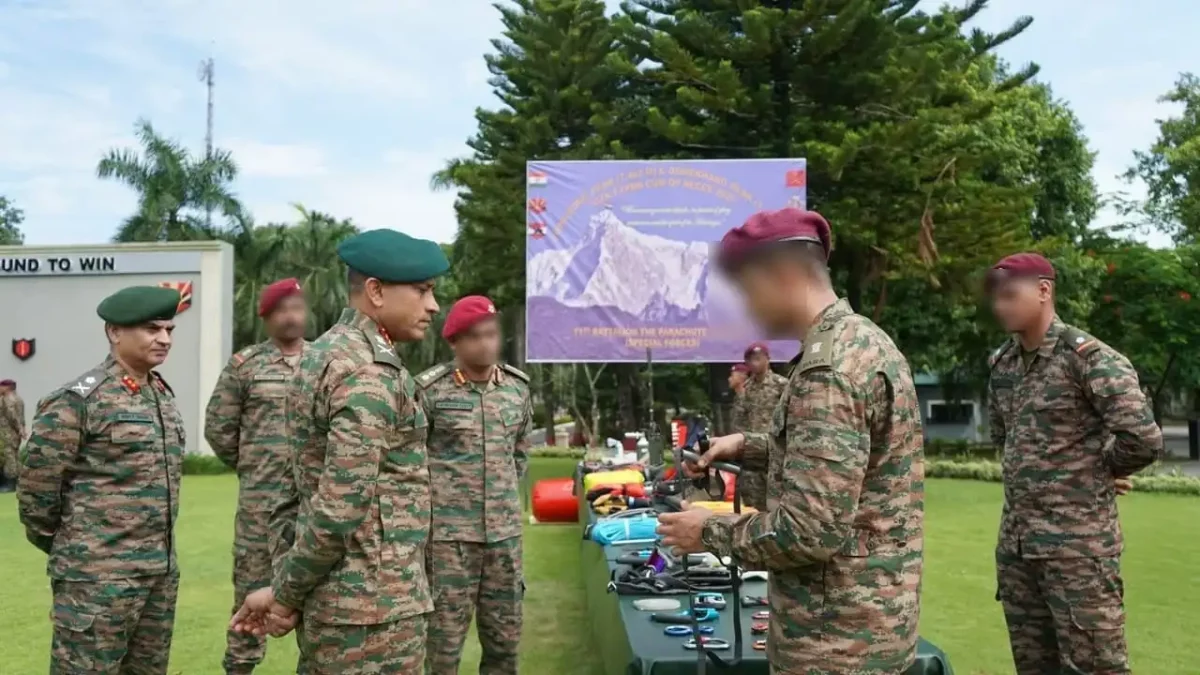
Lieutenant General Neeraj Shukla, General Officer Commanding of Gajraj Corps, flagged off a 28-member mountaineering expedition to Jongsong Peak and Domekhang Peak in the Eastern Himalayas on 18 August 2026, marking the beginning of a demanding high-altitude mission that will test the physical endurance, technical skill and determination of the participating soldiers.





The expedition team will attempt Jongsong Peak, which rises to an altitude of 7,462 metres, and Domekhang Peak, standing at 7,264 metres. Both peaks are located in the formidable Eastern Himalayan region, where extreme weather, steep icy slopes, crevasses, high winds and low oxygen levels make mountaineering operations especially challenging.
By undertaking the expedition, the Indian Army team will operate in some of the most demanding high-altitude conditions in the country. The route is expected to require sustained movement across snow-covered ridges and technically difficult terrain, while the reduced oxygen levels at such elevations will place significant physiological stress on the climbers.
The 28-member team will rely on careful acclimatisation, physical conditioning, technical mountaineering expertise and close coordination throughout the mission. At altitudes above 7,000 metres, even routine movement becomes physically exhausting, making discipline, teamwork and sound decision-making essential for a safe and successful expedition.
The Army described the expedition as an embodiment of courage, discipline and the indomitable spirit of its personnel. Such mountaineering missions provide soldiers with an opportunity to test themselves in conditions where resilience, leadership, mutual trust and mental strength become as important as technical climbing ability.
Before flagging off the expedition, Lt Gen Neeraj Shukla interacted with the members of the team and formally set them on their journey towards the Eastern Himalayas. The expedition also reflects the Indian Army’s long-standing association with adventure activities designed to build confidence and endurance among its personnel.
Mountaineering has traditionally formed an important part of adventure training in the armed forces. Expeditions to difficult Himalayan peaks expose soldiers to rapidly changing weather, uncertain terrain and physically demanding conditions, helping develop qualities that are directly relevant to military service in high-altitude environments.
The Eastern Himalayas present a particularly formidable operating environment. Climbers must contend with freezing temperatures, snowfields, steep gradients and the constant possibility of sudden deterioration in weather. At heights exceeding 7,000 metres, the reduced availability of oxygen can significantly affect physical performance, concentration and recovery.
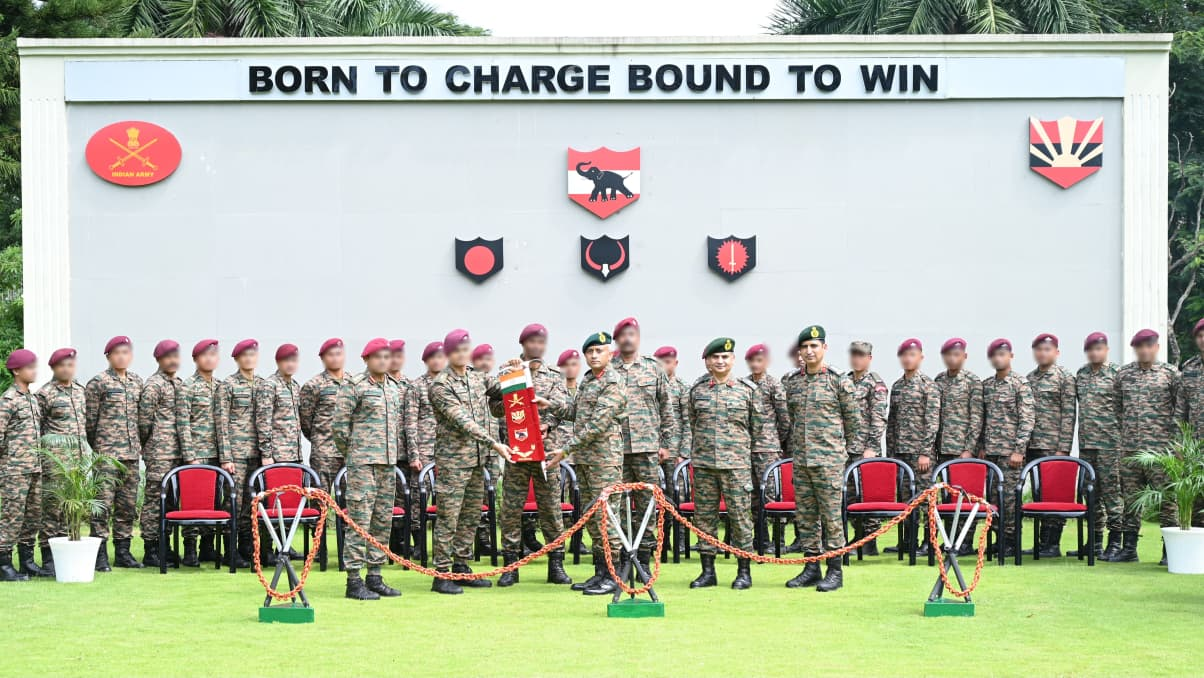
The team will therefore have to progress in a carefully planned manner, establishing camps, acclimatising gradually and assessing terrain and weather conditions before moving towards the higher reaches of the mountains. The success of such an expedition depends not only on individual fitness but also on coordination among team members and disciplined adherence to safety procedures.
Jongsong and Domekhang represent ambitious objectives for the expedition team, and an attempt on both peaks underlines the scale of the challenge undertaken by the soldiers. The mission is expected to push the climbers to the limits of their physical and mental endurance while providing an opportunity to demonstrate the Army’s tradition of perseverance in extreme environments.
Adventure expeditions of this nature also strengthen camaraderie among participants. When operating in remote mountainous terrain, team members must depend heavily on each other for route planning, load management, camp establishment and safety, reinforcing the spirit of collective responsibility central to military life.
The expedition further highlights the importance the Indian Army places on developing personnel capable of operating confidently in difficult terrain and harsh climatic conditions. High-altitude mountaineering demands calm decision-making, discipline under stress and the ability to continue functioning effectively despite fatigue and discomfort.
As the 28-member team heads towards Jongsong and Domekhang, its journey will represent more than an attempt to reach two Himalayan summits. It will serve as a test of resilience, teamwork and determination, reflecting the courage and adventurous spirit associated with the Indian Army.
The expedition in the majestic Eastern Himalayas is expected to stand as another example of soldiers challenging themselves beyond conventional training environments, carrying forward a tradition in which physical endurance, professional discipline and an unwavering determination to overcome adversity remain at the heart of military leadership and service.