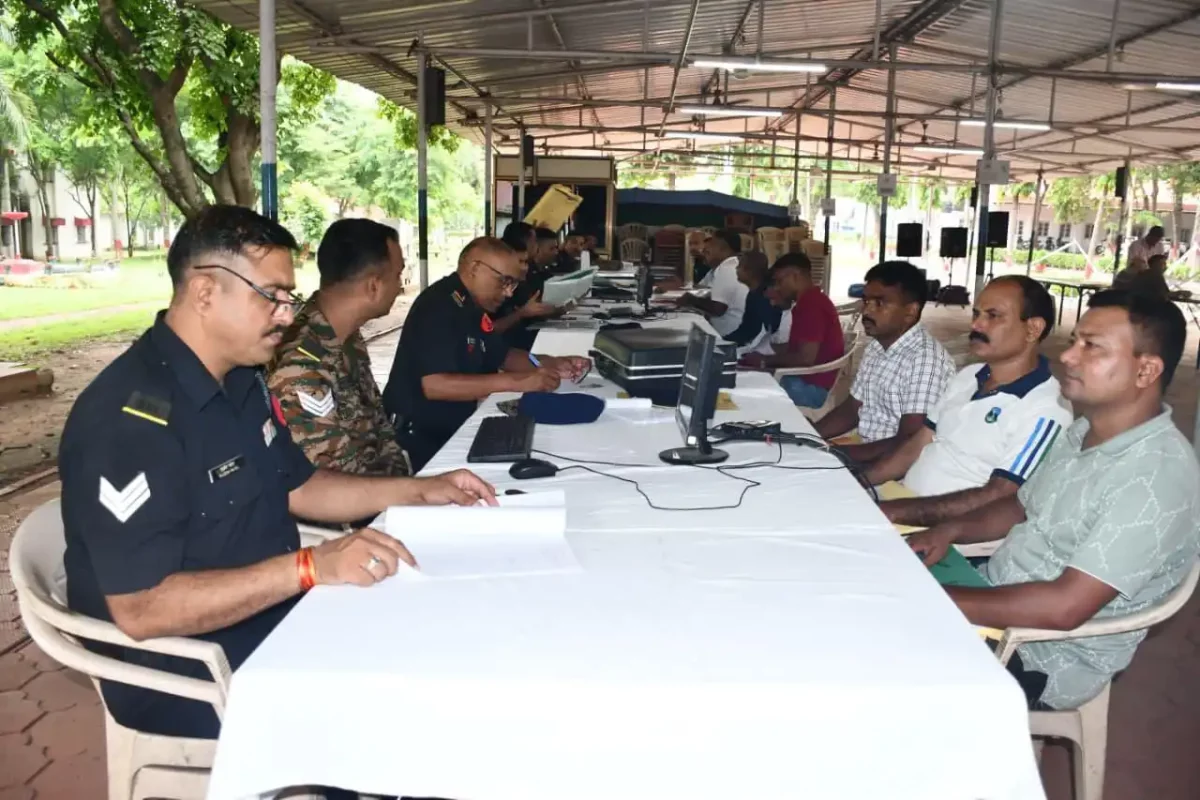
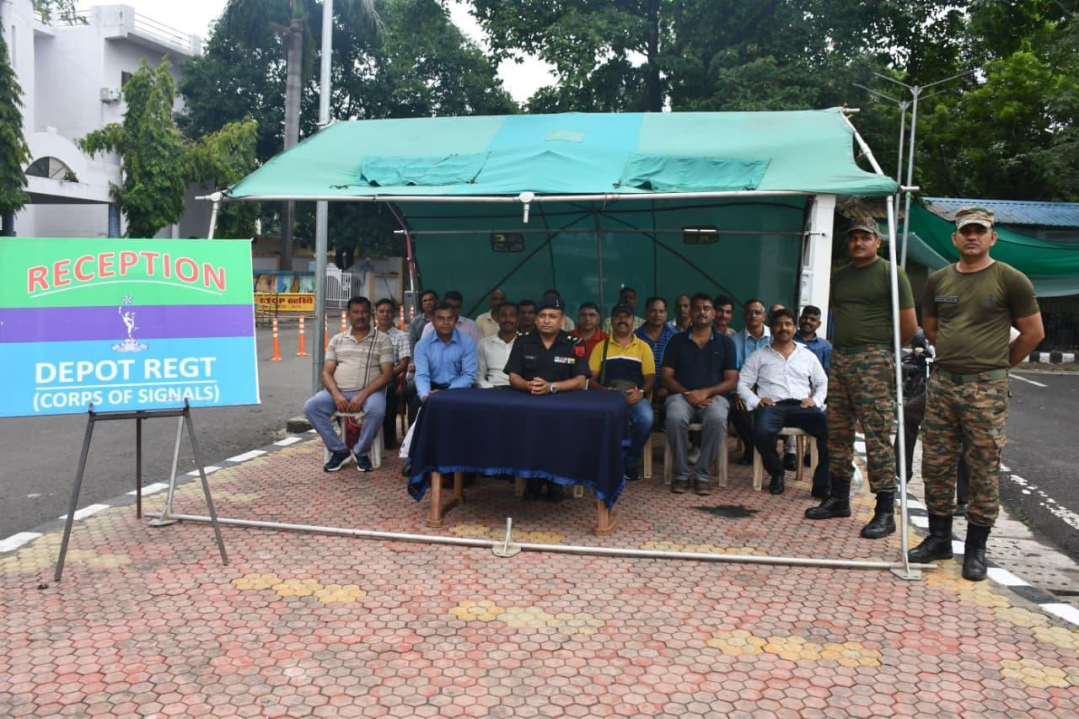
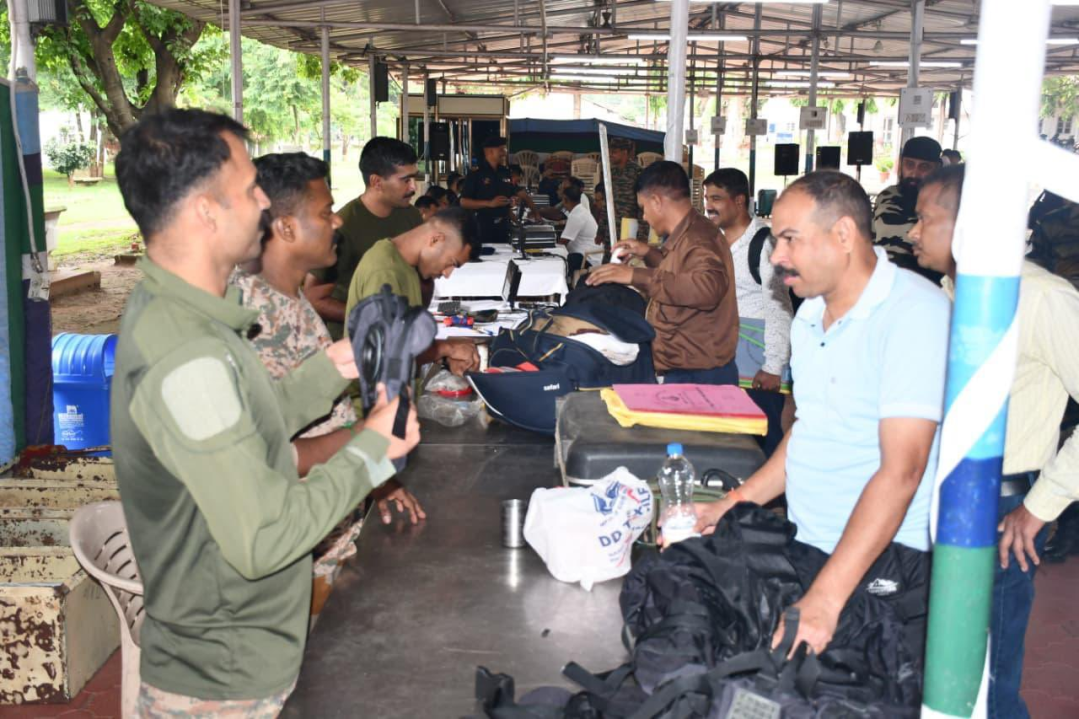
In a significant welfare initiative aimed at ensuring a smooth transition from military service to civilian life, Headquarters Madhya Bharat Area is facilitating a comprehensive discharge drill for 177 Indian Army personnel at the Depot Regiment, Corps of Signals.





A total of 68 Junior Commissioned Officers (JCOs) and 109 Other Ranks (ORs) have reported to the Depot Regiment for the discharge process, marking an important stage in their journey from active military service to life as veterans.
Conducted under the aegis of Headquarters Madhya Bharat Area, the initiative goes beyond completing the administrative formalities associated with discharge. It has been structured to provide retiring personnel with essential information about their entitlements, financial matters, documentation, welfare provisions and responsibilities after leaving active service.
The programme reflects the philosophy of “Serving the Served”, recognising that the responsibility towards soldiers does not end when they complete their uniformed service. Instead, the transition period requires careful guidance so that personnel who have spent years serving the nation are adequately prepared for the administrative, financial and social changes associated with civilian life.
As part of the discharge drill, focused sessions are being conducted on documentation and personal data verification. Accurate documentation is particularly important at the time of retirement or discharge, as service records and personal details can have a direct bearing on subsequent administrative processes and access to applicable benefits.
Personnel are therefore being guided through the verification of their records to help identify and address discrepancies before completing their transition from active service.
Another important component of the programme concerns Pay and Allowances. Moving from a structured military pay system into retirement or civilian employment can involve several financial and administrative considerations. The sessions are intended to ensure that personnel understand the relevant processes and are better equipped to deal with their financial affairs after discharge.
Veterans’ welfare forms another major element of the initiative. Personnel leaving active service enter a new relationship with the Armed Forces as members of the veteran community, making awareness about available welfare mechanisms and institutional support particularly important.
By introducing personnel to relevant welfare provisions before they leave service, the programme seeks to reduce uncertainty and ensure that individuals know how to access assistance when required.
The discharge drill also places emphasis on social media awareness, an increasingly important aspect of the transition from military to civilian life. Personnel serving in the Armed Forces operate within clearly defined rules concerning communication, information security and the responsible use of digital platforms.
Even after leaving active service, veterans may retain knowledge or experience connected with military organisations, procedures and operations. Awareness regarding responsible online behaviour, therefore, remains important in protecting personal information as well as maintaining appropriate discretion regarding service-related matters.
The inclusion of social media awareness highlights how military retirement programmes are evolving alongside the changing information environment. Today, preparing soldiers for civilian life is not limited to paperwork and financial settlements but also includes digital awareness and responsible engagement in an increasingly interconnected society.
The initiative is especially significant because Junior Commissioned Officers and Other Ranks constitute a vital part of the Indian Army’s organisational structure. JCOs frequently serve as an important link between commissioned officers and soldiers, carrying substantial responsibilities related to leadership, discipline, training and administration, while Other Ranks perform a wide spectrum of combat, technical and support duties.
For personnel who have spent a substantial part of their working lives within the highly organised environment of the Armed Forces, retirement represents a major professional and personal change. The transition can involve adapting to new routines, managing finances independently, pursuing second careers and navigating civilian administrative systems.
Structured discharge programmes can consequently play an important role in preparing personnel for this change.
The Indian Army’s Corps of Signals, where the personnel have reported for the discharge drill, is the service’s combat-support arm responsible for military communications and has evolved alongside major technological changes in communications, networking and information systems.
For many retiring personnel, years of military service also leave them with considerable professional experience in leadership, administration, logistics, communications, technology, training and personnel management. Such skills can remain valuable when veterans seek employment, entrepreneurship or other forms of productive engagement after completing their military careers.
The discharge initiative therefore represents more than the formal conclusion of military service. It serves as a bridge between two distinct phases of life, helping personnel understand their entitlements and responsibilities while preparing them for the opportunities and challenges that follow retirement.
The presence of 68 JCOs and 109 Other Ranks in the current discharge drill also underlines the scale at which such transition mechanisms must operate. Each individual leaves the Army with different circumstances, family responsibilities, financial requirements and future plans, making accurate information and timely guidance particularly valuable.
Personal data verification, documentation and financial awareness can help prevent avoidable difficulties later, while veterans’ welfare guidance provides retiring personnel with a clearer understanding of the support ecosystem available after service.
Equally important is the psychological reassurance provided by an organised transition process. Military service is defined by institutional structure, camaraderie and a strong sense of collective identity. Leaving that environment after years or decades of service represents a substantial change, and an orderly discharge process can help personnel approach their next chapter with greater clarity and confidence.
The Madhya Bharat Area initiative embodies a broader principle of military welfare: service to soldiers continues beyond their final day in uniform.
By bringing documentation, Pay and Allowances, veterans’ welfare, social media awareness and personal data verification under a coordinated discharge programme, Headquarters Madhya Bharat Area is seeking to ensure that personnel leave active service informed about both their rights and their responsibilities.
For the 177 personnel currently undergoing the discharge drill, the programme marks the closing of one distinguished chapter and preparation for another.
They may soon cease to be serving soldiers, but their association with the Armed Forces and the wider veteran community will continue. The initiative seeks to ensure that when they make that transition, they do so with confidence, dignity and a clearer understanding of the systems available to support them.
In that sense, “Serving the Served” is more than the theme of the initiative. It reflects an enduring commitment to those who have spent their careers in uniform—ensuring that after years of serving the nation, they receive the guidance and support necessary to begin the next phase of their lives with confidence.