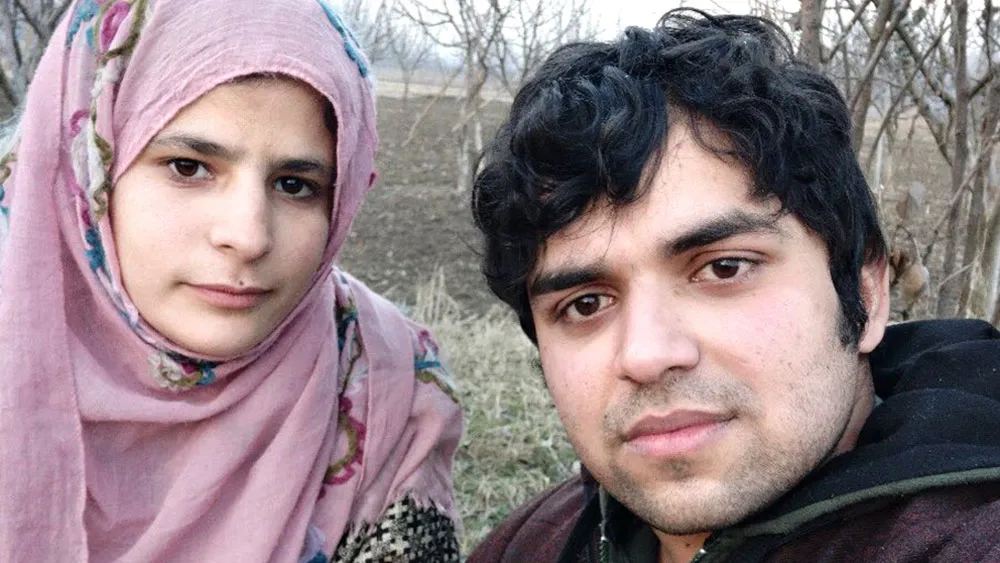
Jammu, August 22, 2026: A special National Investigation Agency (NIA) court in Jammu has rejected the bail application of Insha Jan alias Insha Tariq, an accused facing trial in the 2019 Pulwama suicide attack case that killed 40 Central Reserve Police Force (CRPF) personnel. Special Judge Prem Sagar delivered a 15-page order on August 20, holding that sufficient material existed on record to presume that the accusations against her were prima facie true and that the statutory bar under Section 43-D(5) of the Unlawful Activities (Prevention) Act (UAPA) prevented her release at this stage.





Insha Jan, a resident of Harkipora (also referred to as Hakripora) village in south Kashmir’s Pulwama district, was arrested along with her father, Peer Tariq Ahmad Shah (also known as Tariq Ahmed Shah), on March 3, 2020. She has remained in custody for more than six years and is facing trial in NIA case RC No. 02/2019/NIA/JMU under various provisions of the Ranbir Penal Code (RPC), the UAPA, the Arms Act, and the Explosive Substances Act. Charges against her were framed on December 10, 2022.
Court’s Reasoning
The court observed that the prosecution material relied upon against the accused still required corroboration from other witnesses yet to be examined. It noted that the trial was underway and that witnesses were being examined. Special Judge Prem Sagar held that if the applicant were released on bail, there was every likelihood she would influence key prosecution witnesses, which might hamper the process of justice.
The court rejected the defence’s arguments based on prolonged incarceration, alleged delay in the trial, and medical ailments. Defence counsel had submitted that more than six years in custody had seriously affected her health, citing chronic dermatological problems, cervical spondylosis, and chronic oculogenic headache that required specialised treatment. The court found these conditions not life-threatening so as to warrant urgent release on bail. It also held that delay in the trial, by itself, did not justify bail given the gravity of the offences and the stage of proceedings.
Invoking the bar under Section 43-D(5) of the UAPA—which restricts bail in cases involving offences under Chapters IV and VI of the Act if the court has reasonable grounds to believe the accusations are prima facie true—the judge stated: “There is sufficient evidence to presume that prima facie, the accusation against the applicant is true.” The court further noted the nature and gravity of the alleged offences and the larger interest of the State in rejecting the plea. Its observations were clarified as not affecting the merits of the main trial.
While denying bail, the court directed the Superintendent of District Jail, Baramulla, to provide all necessary medical care to Insha Jan and to submit a compliance report to the court every fortnight.
Allegations in the NIA Chargesheet
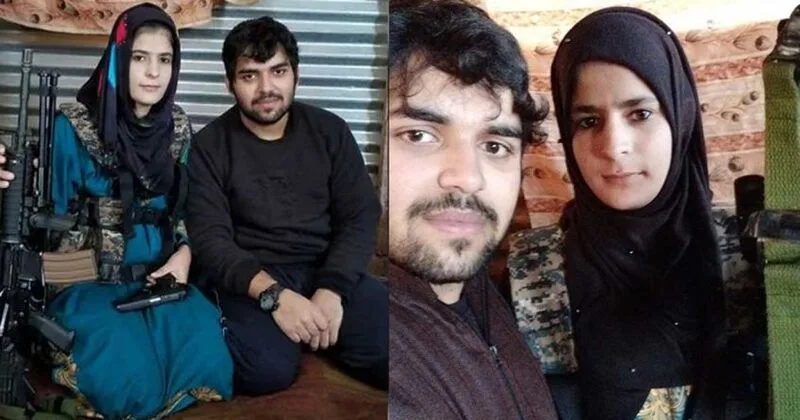
According to the NIA’s chargesheet, Insha Jan was allegedly involved in the terror conspiracy linked to the February 14, 2019, attack at Lethapora (Lethpura) in Pulwama district. On that day, Jaish-e-Mohammed (JeM) suicide bomber Adil Ahmad Dar rammed an explosives-laden vehicle into a CRPF convoy travelling on the Jammu-Srinagar National Highway, killing 40 personnel and injuring others.
The agency has alleged that Insha Jan, along with her father, provided shelter, food, and logistical support to JeM terrorists at their residence on more than 15 occasions between 2018 and 2019, with stays lasting two to four days each time. She is accused of remaining in constant contact with Pakistani terrorist Muhammad Umar Farooq (an IED maker and nephew of JeM chief Masood Azhar), who was later killed in an encounter, as well as another Pakistani terrorist Mohd Kamran Ali. Evidence cited includes WhatsApp calls, voice notes, and photographs recovered from Farooq’s mobile phone after his death.
The NIA has stated that the family was introduced to the JeM terrorists by a neighbour in May 2018. Pakistani terrorists Farooq and Ali allegedly visited the house in June 2018, after which JeM operatives began coming regularly with arms and ammunition. In January 2019, Farooq, Adil Ahmad Dar (the suicide bomber), and Sameer Ahmad Dar allegedly stayed at the house with sophisticated arms and ammunition for several days. A propaganda video of Adil Ahmad Dar, which was released by JeM after the attack, was allegedly recorded at the house on January 28 and 29, 2019.
Insha Jan has been described in earlier investigative accounts as the only woman charged in the case among the 19 accused named in the NIA’s 13,800-page chargesheet filed in August 2020. Her father, Peer Tariq Ahmad Shah, a truck driver by profession, faces similar allegations of facilitating the terrorists.
Defence Stand and NIA Opposition
The defence had argued that her implication was “totally false without any reasonable ground,” claiming no incriminating material was recovered from her and that witnesses did not directly connect her to the offences. The NIA opposed the bail application as devoid of merit, describing her as a highly motivated terror associate who had committed the offence in a well-planned manner and characterising the plea as an attempt to evade the law.
Background of the Case
The Pulwama attack remains one of the deadliest terrorist strikes on Indian security forces in recent years. The NIA investigation linked the conspiracy to the Pakistan-based leadership of Jaish-e-Mohammed, naming Masood Azhar and several others, including both Pakistani nationals and local overground workers. Several key figures, including the suicide bomber and primary planners such as Muhammad Umar Farooq and Kamran Ali, were killed in subsequent encounters with security forces.
The trial against Insha Jan and co-accused continues in the special NIA court in Jammu, with a substantial number of prosecution witnesses still to be examined.
The court’s decision underscores the stringent bail provisions under the UAPA in cases involving serious terrorism-related charges and the ongoing nature of the proceedings in this high-profile matter.