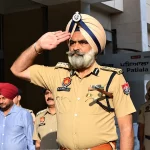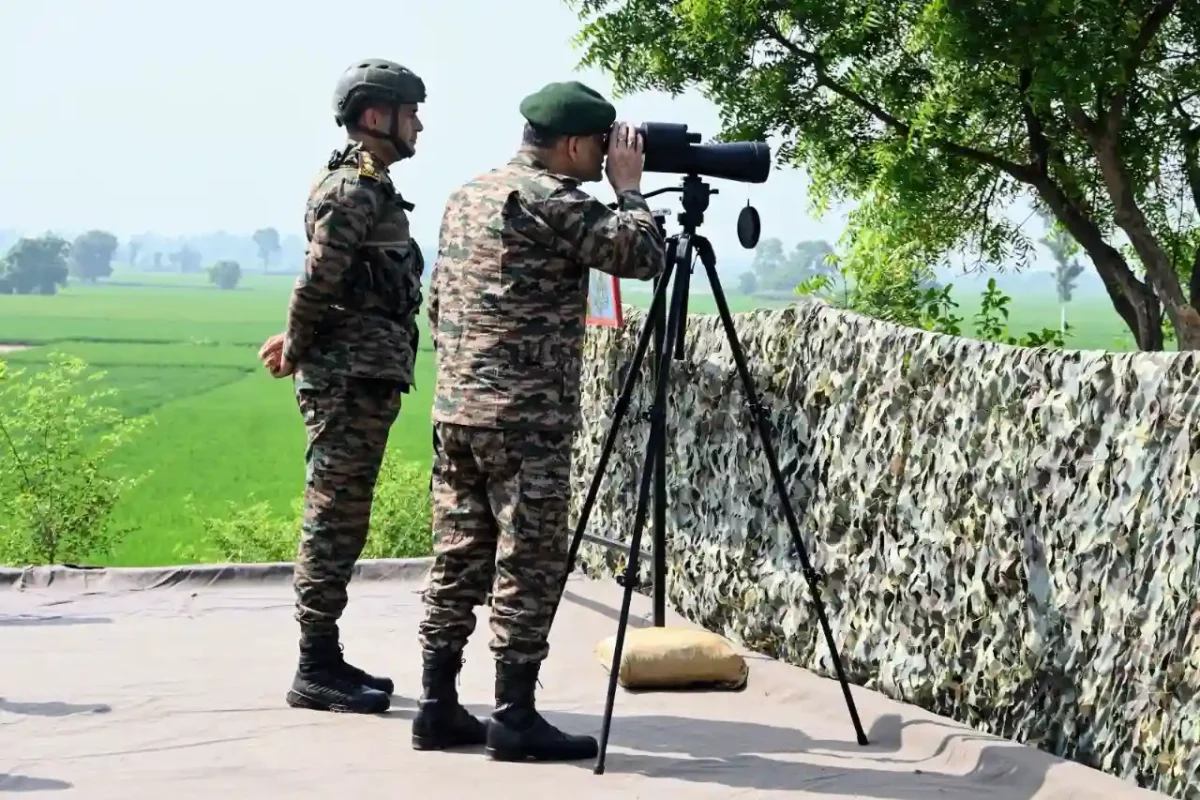
Lieutenant General Pushpendra Singh, AVSM, SM**, General Officer Commanding-in-Chief of the Indian Army’s Western Command, visited the forward areas of the Golden Arrow Division under Vajra Corps to assess its operational posture and validate the formation’s preparedness for emerging contingencies.





During the visit, the Army Commander carried out a detailed assessment of the operational readiness of troops deployed in forward areas. The review focused on the formation’s ability to maintain a high state of combat preparedness and respond rapidly and effectively to evolving operational situations.
Lt Gen Pushpendra Singh also interacted with troops serving on the frontline and appreciated their professionalism, dedication and robust combat preparedness.
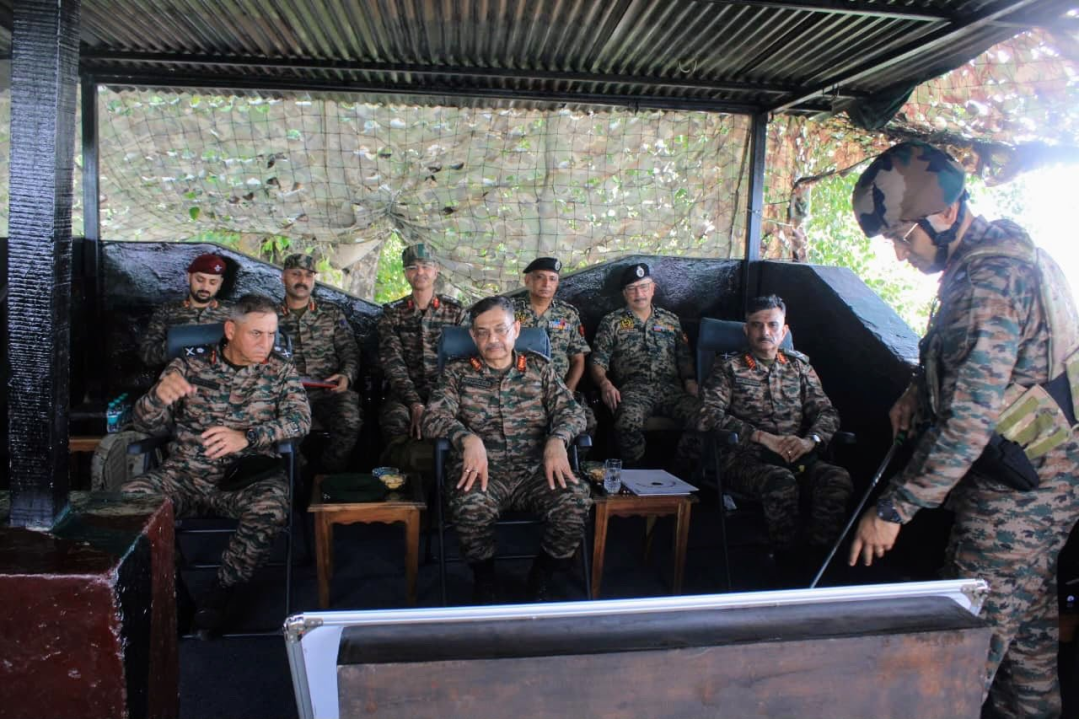
The Army Commander particularly noted the seamless integration of niche technologies into the formation’s operational framework. The adoption of emerging technologies has become an increasingly important component of the Indian Army’s efforts to enhance surveillance, situational awareness, communications and overall battlefield effectiveness.
Addressing the troops, Lt Gen Pushpendra Singh urged all ranks to remain vigilant, agile and mission-oriented while confronting evolving security and operational challenges.
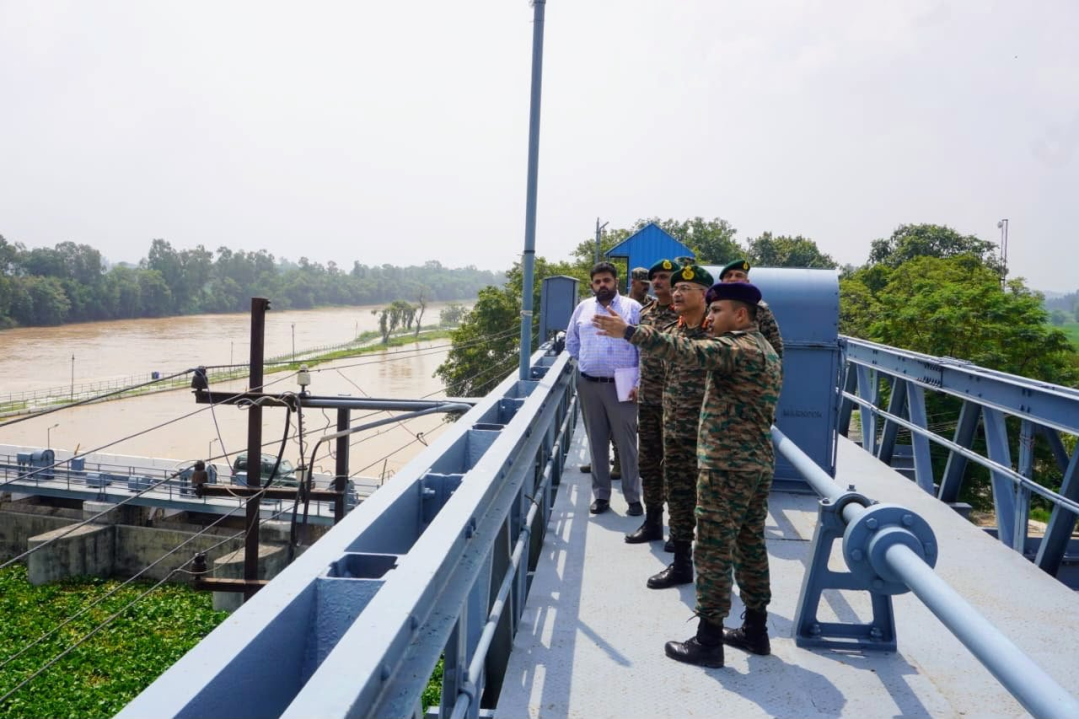
The visit assumes significance as Western Command oversees strategically important sectors along India’s western frontier. Formations under the Command are required to maintain a high level of readiness and the capability to respond decisively to a range of conventional and emerging threats.
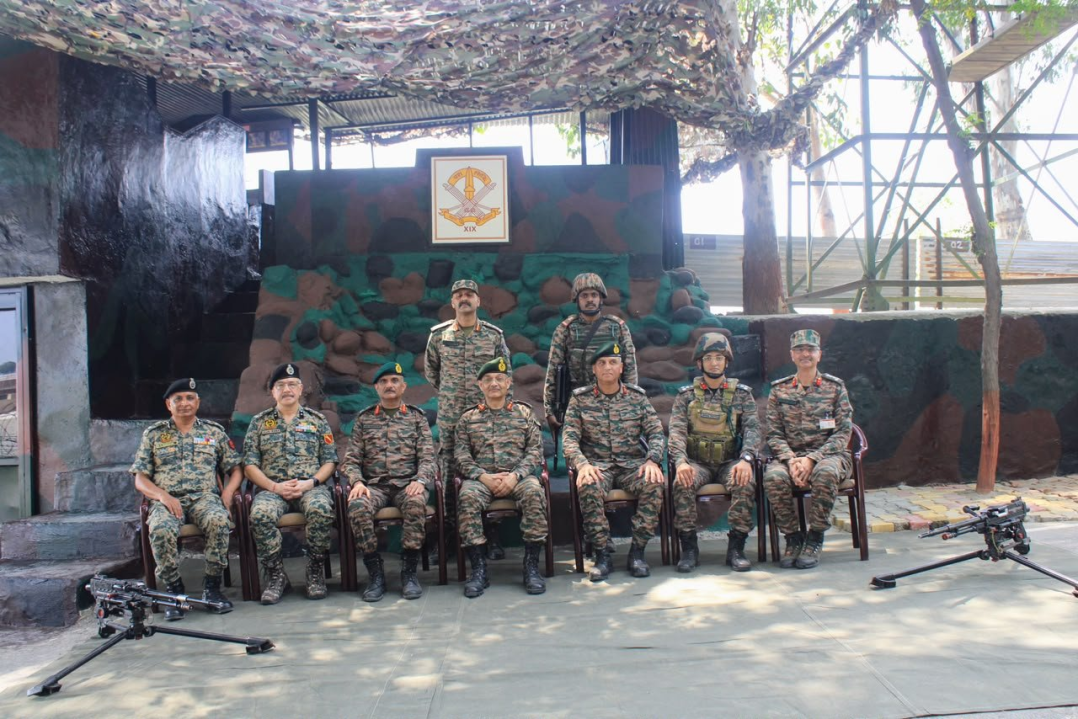
The Golden Arrow Division operates under Vajra Corps, one of the important formations of Western Command. Its forward-deployed troops form part of the Indian Army’s operational posture along the western front, where continuous preparedness, surveillance and rapid response capabilities remain essential.
Modern battlefield requirements have also made technological integration an increasingly important element of frontline preparedness. Unmanned systems, enhanced surveillance platforms, secure communications, electronic warfare capabilities and other niche technologies are becoming important force multipliers alongside conventional combat capabilities.
The Indian Army has consequently been working to ensure that emerging technologies are not restricted to specialist units but are effectively integrated with operational formations and understood by troops who may have to employ them under battlefield conditions.
The emphasis on agility during the Army Commander’s interaction is equally significant. Contemporary conflicts have demonstrated that military formations must be capable of adapting quickly to changing threats, including drones, precision weapons, electronic warfare and rapidly evolving battlefield information.
Visits by senior commanders to forward locations provide an opportunity to directly assess operational preparedness, interact with troops and evaluate whether formations are capable of executing their assigned missions under realistic conditions.
Such reviews also allow commanders to examine the effectiveness of newly introduced technologies and operational practices at the frontline, where their actual utility can be assessed under demanding field conditions.
Lt Gen Pushpendra Singh’s visit to the Golden Arrow Division follows his continuing emphasis on combat readiness, technological adaptation and mission effectiveness across formations of Western Command.
His interaction with frontline personnel reinforced the Command’s focus on maintaining troops who are prepared, vigilant and capable of prevailing in emerging contingencies.
The visit ultimately highlighted the Indian Army’s effort to combine traditional combat preparedness with cutting-edge technological capabilities, ensuring that frontline formations remain agile, responsive and ready for the rapidly evolving character of modern warfare.