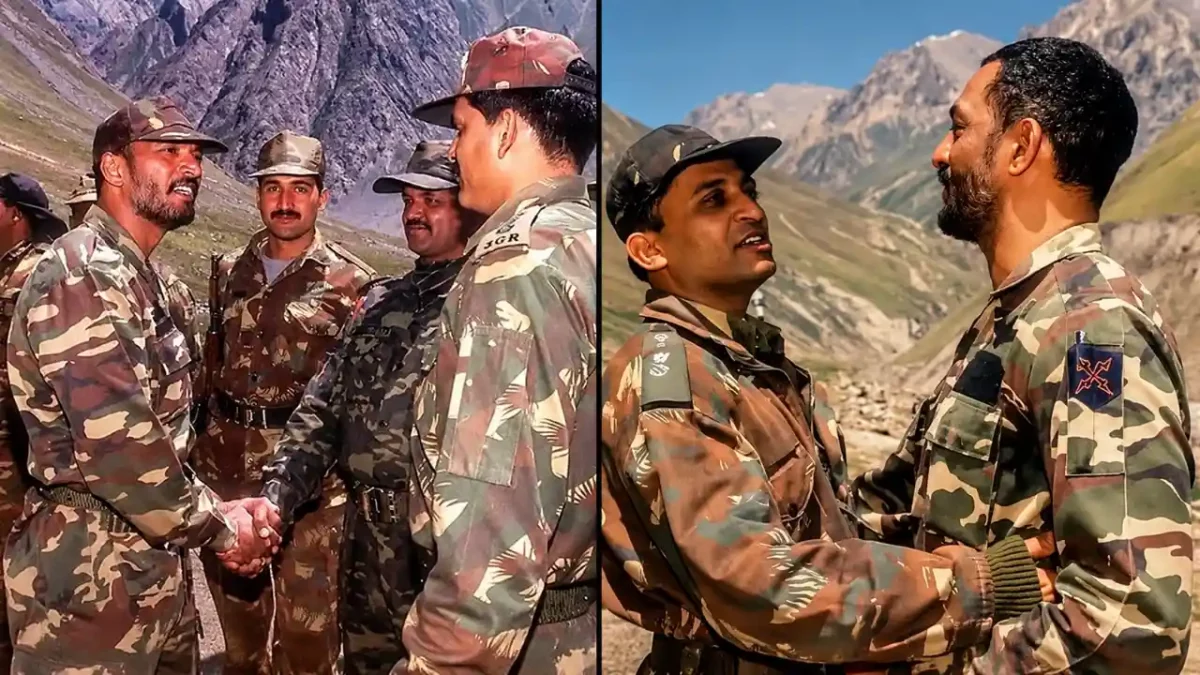
Panaji / Mumbai, October 8, 2026: Veteran Bollywood actor Nana Patekar, celebrated for his powerful performances and longstanding association with the Indian Armed Forces, reportedly passed away early Thursday after suffering a cardiac arrest at his residence in Dona Paula, Goa. He was 75.





According to the information provided, Patekar was found unconscious at his residence and was attended to by a medical team. Despite approximately 45 minutes of cardiopulmonary resuscitation (CPR), doctors were unable to revive him. He was reportedly declared dead at 5.20 a.m.
Born Vishwanath Patekar on January 1, 1951, in Maharashtra’s Raigad district, the actor built a remarkable career spanning nearly five decades. Beyond his achievements in cinema, he earned admiration for his association with the Indian Army, particularly during the 1999 Kargil War.
Nana Patekar’s Association with the Indian Army During Kargil War
One of the lesser-known chapters of Nana Patekar’s life was his close association with the Indian Army and his willingness to spend time alongside soldiers serving in difficult operational conditions.
Patekar served in the Territorial Army and was associated with the Maratha Light Infantry, one of the Indian Army’s oldest and most distinguished infantry regiments. He was also reported to have received the honorary rank of Lieutenant Colonel.
During the 1999 Kargil War between India and Pakistan, Patekar reportedly spent an extended period with Indian Army personnel in the conflict region. Accounts of his involvement suggest that he remained with soldiers for several weeks, with some reports placing the duration at approximately 60 days.
His presence during the conflict reflected his longstanding respect for military personnel and his desire to understand the hardships faced by soldiers defending the country’s borders.
Unlike his fictional portrayal of military life in films, his association with troops during the Kargil conflict brought him closer to the realities of military service.
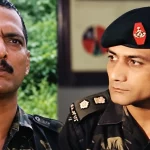
Patekar’s connection with the Armed Forces was also evident in his 1991 film Prahaar: The Final Attack, which he directed and starred in. The film explored military training, discipline, courage and the challenges faced by soldiers.
A Distinguished Career in Indian Cinema
Nana Patekar made his film debut with Gaman in 1978 and subsequently established himself as one of Indian cinema’s most respected performers.
His breakthrough performances in Salaam Bombay! (1988) and Parinda (1989) brought him widespread recognition. His portrayal in Parinda earned him the National Film Award for Best Supporting Actor.
He later received the National Film Award for Best Actor for Krantiveer (1994) and another National Award for Agni Sakshi (1996).
His notable films included Tirangaa, Khamoshi: The Musical, Ab Tak Chhappan, Apaharan, Raajneeti, Welcome and the Marathi masterpiece Natsamrat.
In recognition of his contribution to Indian cinema, he was awarded the Padma Shri in 2013.
Contributions Beyond Cinema
Apart from acting and his association with the military, Patekar was known for his humanitarian initiatives.
In 2015, he co-founded the Naam Foundation with Marathi actor Makarand Anaspure to support drought-affected farmers and families facing financial hardship in Maharashtra.
The foundation also undertook initiatives related to water conservation and rural welfare.
Tributes Pour In
Following reports of his death, tributes were reported from political leaders, members of the film industry and admirers across the country.
Union Minister Nitin Gadkari, Maharashtra Chief Minister Devendra Fadnavis and Uttar Pradesh Chief Minister Yogi Adityanath were among those reported to have expressed condolences.
For millions of Indians, Nana Patekar will be remembered not only for his unforgettable performances but also for his patriotism, humanitarian work and close association with the Indian Armed Forces.
His reported presence alongside Indian soldiers during the 1999 Kargil War remains a significant chapter in his public life, reflecting a connection with the military that extended beyond the silver screen.