
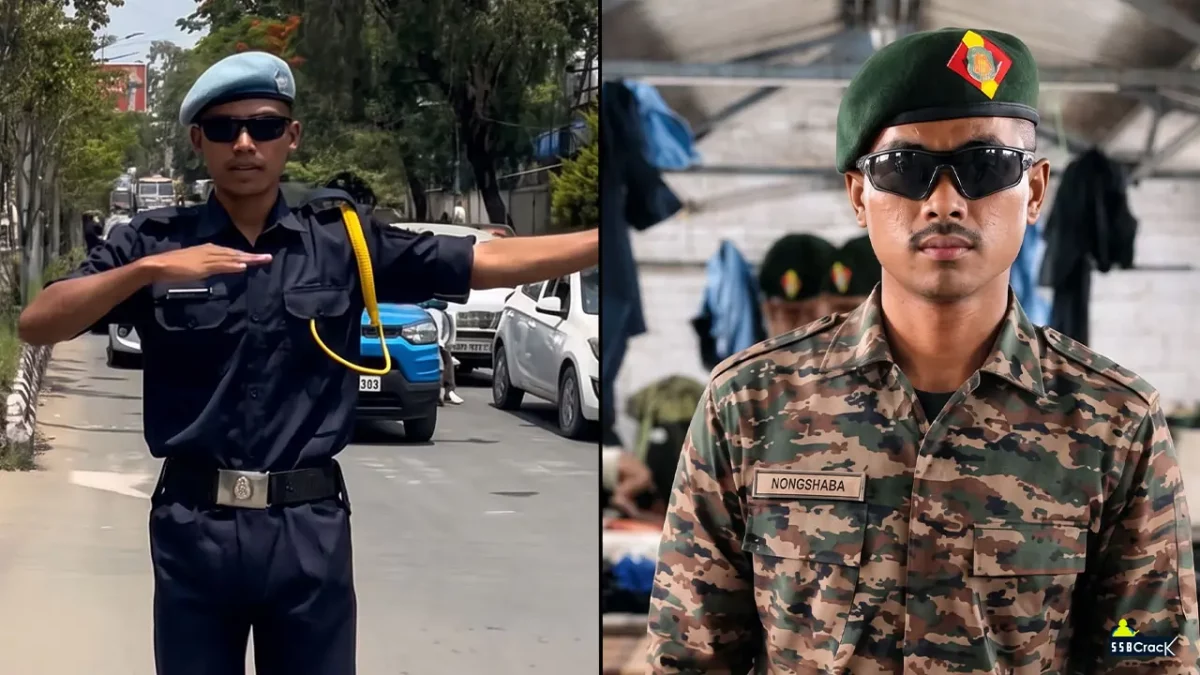
In a powerful example of grassroots transformation in Manipur, a joint skill development initiative by the Assam Rifles and training partner Homeland Security is helping local youth overcome socio-economic barriers and step into careers in the armed forces and corporate sector. The success of Laishram Nongsaba Singh, a young man from Pangantabi Makha Leikai in Kakching district, who has now been inducted as an Agniveer into the elite Brigade of the Guards of the Indian Army, stands as a strong testament to the impact of this collaborative effort.





Laishram’s journey is not merely the story of one young man joining the Army. It reflects how structured training, disciplined mentorship and institutional support can change the direction of a youth’s life. Before his selection, Laishram was working as a civilian security guard, facing the same challenges that many young aspirants from remote and semi-urban areas of the Northeast encounter, including limited exposure, communication barriers and lack of access to professional training ecosystems.
Despite these hurdles, his determination and willingness to improve brought him into the fold of the Assam Rifles and Homeland Security initiative. What followed was a focused period of training that helped him prepare for the demanding Indian Army selection process. The initiative provided him not only physical training, but also the confidence, discipline and personality development needed to compete at the national level.
The Assam Rifles played a crucial role by creating the enabling ecosystem for the programme. It facilitated training space, logistical arrangements and administrative support, ensuring that motivated youth from the region had access to a structured platform. Homeland Security, as the training partner, brought in specialised instruction through modules focused on discipline, communication, personality development, tactical preparedness and employment-oriented grooming.
For Laishram, one of the biggest initial challenges was communication, particularly in Hindi and English. These barriers often become a major disadvantage for candidates from remote areas when they appear for recruitment processes, interviews or formal training environments. Through regular mentorship and communication-focused modules, he gradually developed the confidence required to present himself effectively and meet the expectations of the Indian Army selection pipeline.
His successful induction as an Agniveer into the Brigade of the Guards marks a proud moment not only for his family and village, but also for the larger training ecosystem that supported him. The Brigade of the Guards, one of the Indian Army’s distinguished infantry regiments, is known for its proud traditions and high standards. For a young man from Kakching district to earn a place in such a regiment highlights the potential that exists among Manipur’s youth when given the right guidance and opportunity.
However, Laishram’s success is not an isolated case. The first training batch under this Assam Rifles-Homeland Security partnership has already produced multiple success stories across different sectors. The initiative is gradually emerging as a model for how public-paramilitary support and private-sector training expertise can be combined to generate meaningful employment outcomes for youth in the Northeast.
Another inspiring example is that of Ningthoujam Ranjit Singh from Heirok. Coming from a background of severe socio-economic hardship, Ranjit had worked as a labourer in a brick factory before joining the programme. His journey from brick kilns to a corporate role reflects the wider scope of the initiative, which is not limited to military recruitment alone.
Through communication training, personality development and professional grooming, Ranjit was able to improve his employability and secure a position as a Senior Supervisor at a major corporate enterprise in Pune. His achievement underlines the fact that disciplined training and structured mentorship can open doors far beyond the immediate region, allowing young people from Manipur to compete and succeed across India.
The success of both Laishram and Ranjit demonstrates the versatility of the programme. While one has moved into the frontlines of national service as an Agniveer in the Indian Army, the other has entered a corporate leadership role. Together, their stories represent two different but equally important pathways of empowerment — one through military service and the other through professional employment.
At a time when youth employment, skill development and social stability remain critical issues in many parts of the Northeast, such initiatives carry deep significance. They help channel the energy of young people into constructive careers, reduce vulnerability to negative influences and strengthen their sense of confidence, discipline and national belonging.
The Assam Rifles, often described as the “Sentinels of the Northeast,” has long played a role beyond conventional security duties in the region. Through civic action programmes, youth engagement, medical assistance, education support and recruitment-oriented activities, the force has consistently worked to build bridges with local communities. This latest partnership with Homeland Security adds another dimension to that outreach by linking training directly with employment outcomes.
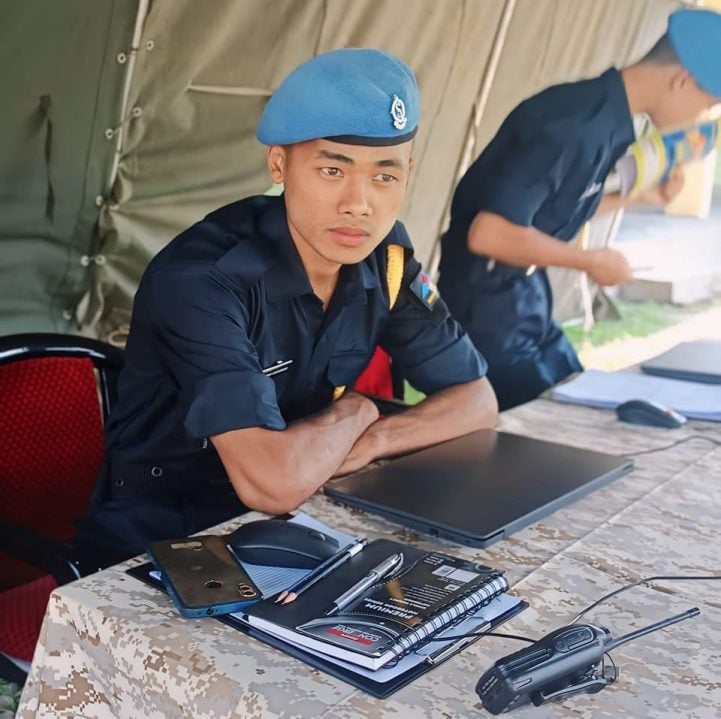
For Homeland Security, the initiative reflects the importance of industry-oriented training in regions where talent is abundant but exposure remains limited. By focusing on communication, discipline, grooming and practical employability skills, the programme is helping young aspirants bridge the gap between ambition and opportunity.
The larger impact of this initiative lies in its replicable model. By combining the grassroots reach and credibility of Assam Rifles with the training expertise of Homeland Security, the programme has created a blueprint that can be expanded to other districts and communities. It shows that employment generation in sensitive and remote regions does not depend only on large infrastructure projects; it can also begin with targeted training, mentorship and institutional trust.
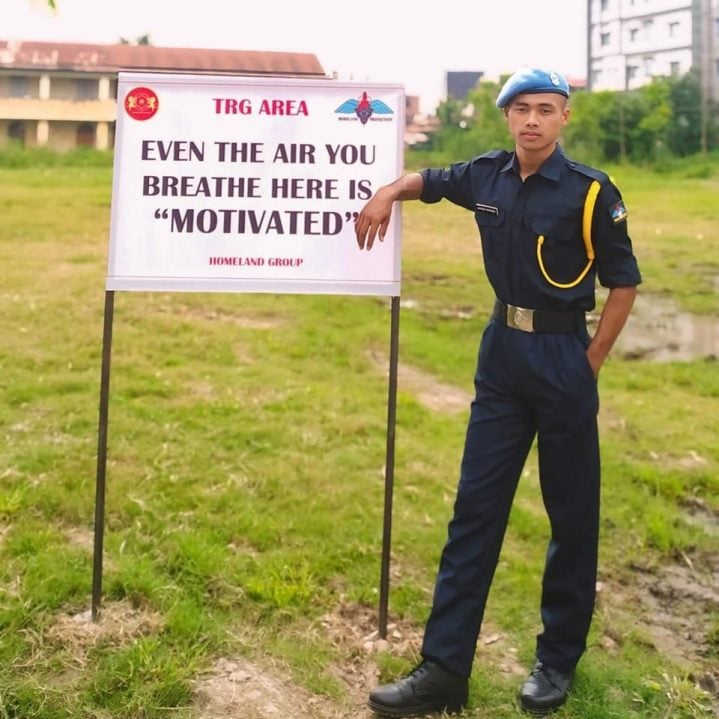
For the youth of Manipur, stories like those of Laishram Nongsaba Singh and Ningthoujam Ranjit Singh carry a powerful message. They show that humble beginnings, whether as a security guard or a brick kiln worker, need not define one’s future. With the right platform, discipline and guidance, young people can rise from difficult circumstances and build careers of dignity, responsibility and national relevance.
The Assam Rifles and Homeland Security initiative is therefore more than a training programme. It is a grassroots nation-building effort that is turning local potential into professional achievement. From security posts to Army frontlines, and from brick factories to corporate offices, the programme is transforming lives and contributing to socio-economic progress in the Northeast.
As more success stories emerge from Manipur, this partnership stands as a reminder that meaningful empowerment begins when institutions invest in the aspirations of ordinary youth. In Laishram’s Army uniform and Ranjit’s corporate role lies a shared story of resilience, opportunity and transformation — a story that reflects the changing face of youth development in the region.