
Air Marshal Sandeep Thareja, Director General Medical Services (Air Force), reviewed medical preparedness and healthcare infrastructure under the South Western Command, with a focus on strategically aligning medical support with frontline operational plans.





During his visit to Military Station Jaipur, the senior Armed Forces Medical Services officer assessed existing medical plans and infrastructure designed to support troops during operational contingencies. The review highlighted the importance of ensuring that military healthcare capabilities remain closely integrated with operational planning and are prepared to respond effectively during both routine deployments and high-intensity situations.
Modern military operations require a robust medical support network capable of providing timely treatment, casualty evacuation and specialised care. Medical preparedness therefore forms an essential component of overall combat readiness, particularly for formations operating across geographically dispersed and operationally sensitive areas.
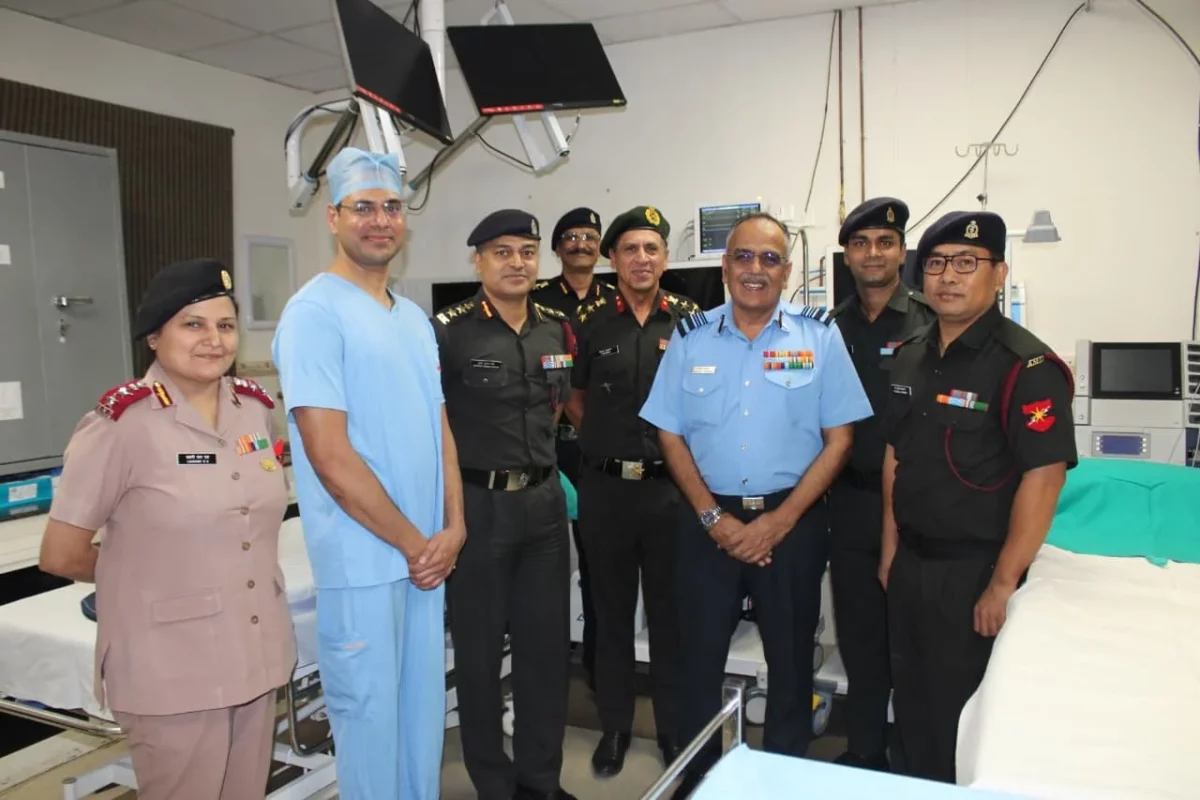
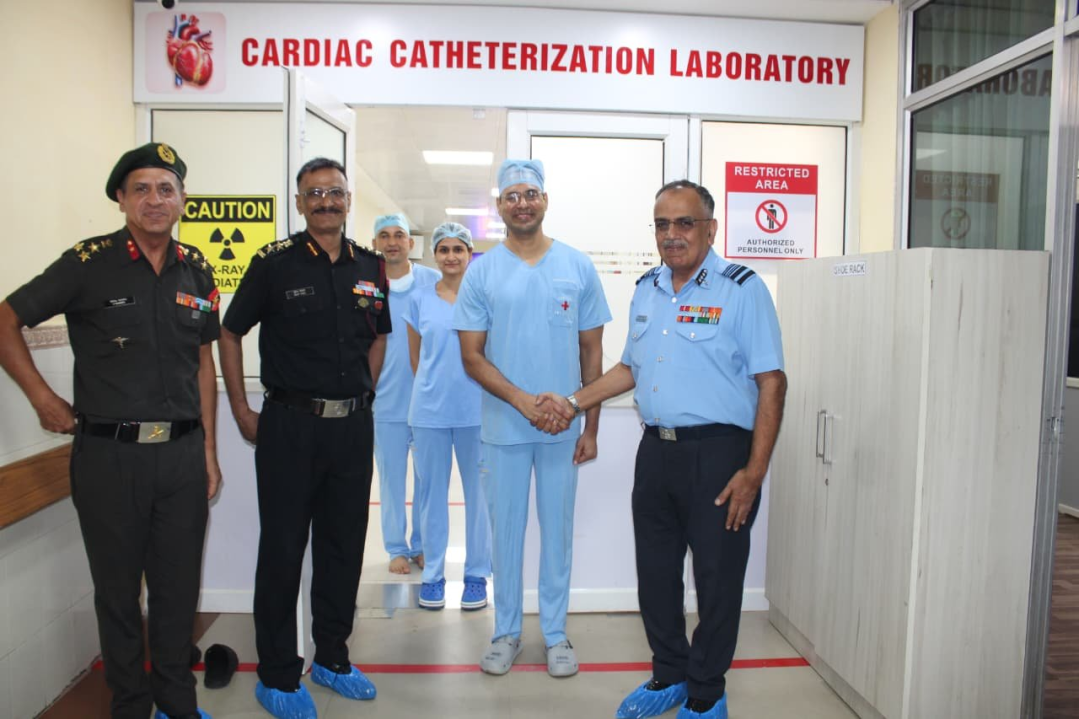
Air Marshal Sandeep Thareja inspected military healthcare facilities at Jaipur and reviewed their preparedness to meet the requirements of serving personnel. He assessed the delivery of medical services as well as the infrastructure supporting military healthcare in the region.
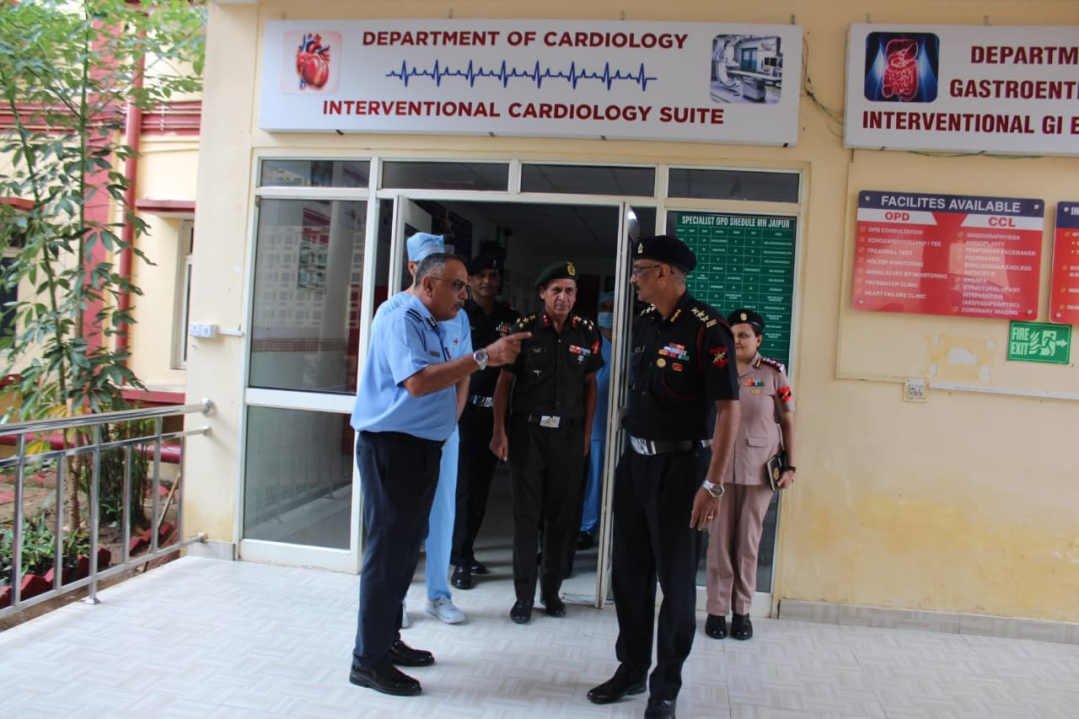
During his interactions with medical personnel, the DGMS (Air Force) commended the staff for their exceptional service delivery and dedication to maintaining high standards of healthcare.
He urged personnel to continue striving for excellence while strengthening cooperation across the three Services. The emphasis on seamless Tri-Services synergy reflects the growing importance of integrated medical support involving the Indian Army, Indian Navy and Indian Air Force.
Such integration can play an important role during large-scale military operations, when medical resources, evacuation networks, specialist expertise and healthcare infrastructure may need to be coordinated across Service boundaries.
Operational medical planning involves much more than maintaining hospitals and treatment facilities. It requires coordination between medical establishments and operational formations to ensure that medical resources can respond rapidly to battlefield requirements.
This includes preparedness for casualty management, evacuation, emergency treatment, availability of medical personnel and equipment, and the ability to sustain healthcare services during prolonged operational deployments.
The review by Air Marshal Thareja therefore focused on strategically aligning medical capabilities with frontline operational requirements, ensuring that healthcare support remains an integral part of military planning.
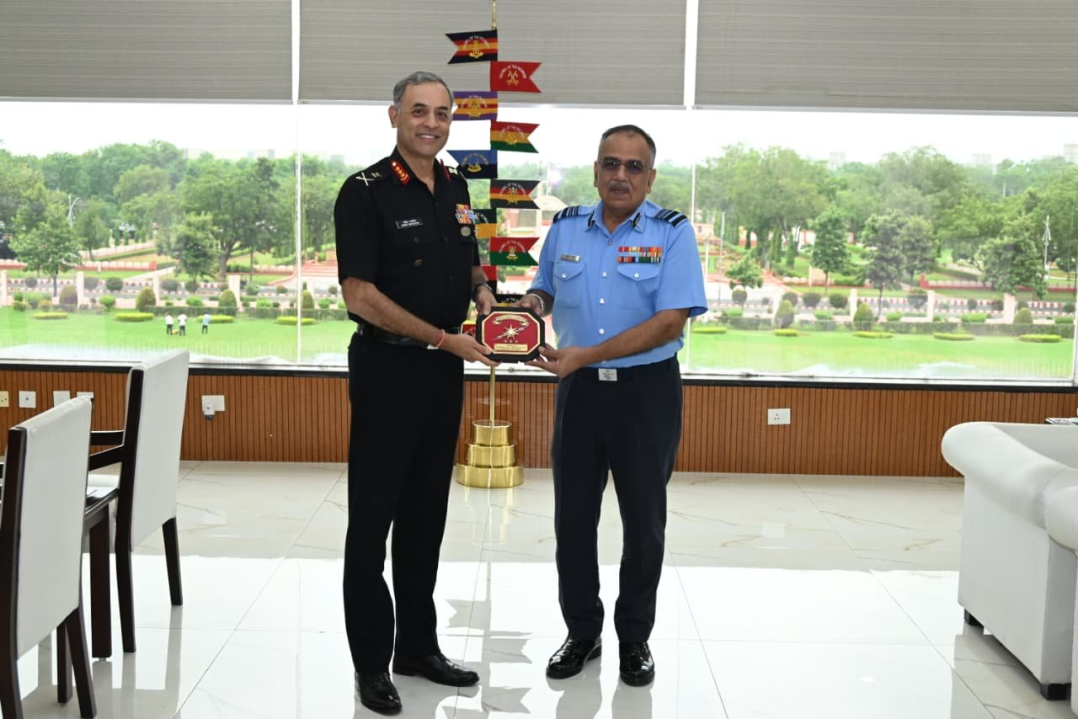
During the visit, Air Marshal Sandeep Thareja also interacted with Lieutenant General Mohit Malhotra, Army Commander of Sapta Shakti Command. The interaction provided an opportunity to discuss issues related to medical preparedness and the importance of coordination between operational formations and the Armed Forces’ medical services.
The engagement also reinforced the broader emphasis on jointness and integration across the Armed Forces. Effective coordination between operational commanders and medical leadership is particularly important for ensuring that medical plans correspond with the requirements of formations in the field.
Military healthcare personnel operate in diverse environments ranging from established hospitals and military stations to field medical facilities supporting troops in operational areas. Their preparedness directly contributes to troop confidence, sustainability and overall mission effectiveness.
The visit to Military Station Jaipur underscored the continued effort to strengthen this critical component of operational preparedness through better infrastructure, detailed medical planning and closer Tri-Services cooperation.
By reviewing medical plans and infrastructure and interacting with personnel responsible for healthcare delivery, Air Marshal Sandeep Thareja emphasised the need to maintain a responsive, integrated and operationally oriented military medical system.
His interaction with Lt Gen Mohit Malhotra further highlighted the importance of aligning medical capabilities with the requirements of frontline formations.
The visit ultimately reinforced the principle that effective medical support is an essential pillar of combat readiness, ensuring that India’s Armed Forces possess the healthcare infrastructure, professional expertise and integrated systems necessary to support personnel during both peacetime and operational contingencies.