New Delhi: The Indian Air Force has achieved a major milestone in its self-reliance drive, with 97 per cent of the frequently used operational fighter aircraft spares now indigenised. This has resulted in foreign exchange savings of ₹582 crore over the past five years, according to details shared by officials with CNN-News18.





The Maintenance Command of the IAF has localised approximately 62,300 spares. These include everyday consumables and components critical for day-to-day flying operations such as batteries, fighter aircraft tyres, pilot parachutes, power carts, and escape-air explosives used in ejection seats. Earlier, the service depended heavily on foreign suppliers for many of these items.
An official explained the progress: “With innovativeness and private industry participation, 97 per cent of spares frequently required for operational units and 93 per cent of mandatory spares required for overhauling of decentralised fleets have been indigenised.”
Key Components Localised
Specific achievements highlighted include:
- 76 types of escape-air explosives for fighter ejection seats
- 207 power carts
- Eight types of pilot parachutes
- The hydraulic booster pump used in the Su-30MKI aircraft
- Batteries and fighter tyres for multiple platforms
A 3D-printing facility, operational since 2022, supports urgent and on-demand requirements, reducing wait times for critical replacements. The IAF is also collaborating with private industry for innovation projects and mass production of these indigenised components.
Domestic Capital Spending Push
Beyond spares, the IAF achieved a 90 per cent share of domestic capital budget expenditure over the past two financial years. This exceeds the mandate set by the Ministry of Defence and reflects a broader shift towards Indian industry in capital acquisitions.
Why This Matters: Supply Chain Vulnerabilities
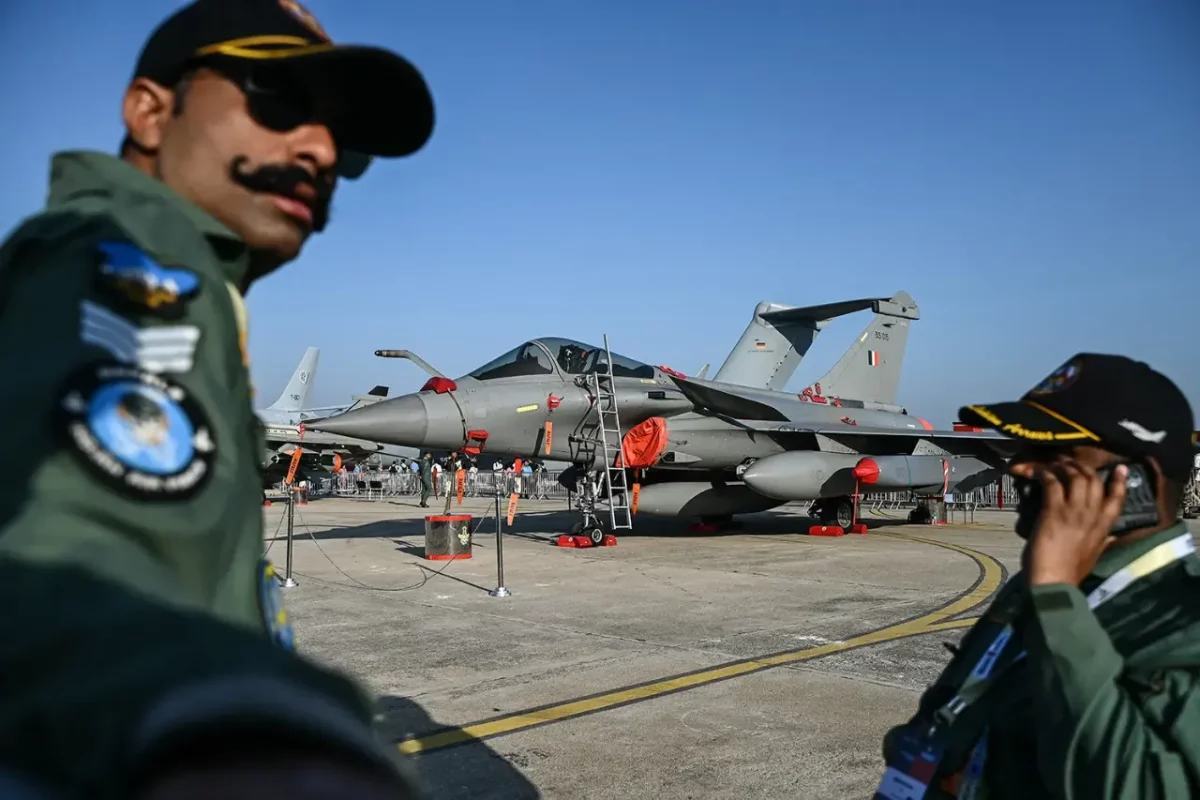
The drive gained urgency because the IAF continues to operate a substantial fleet of foreign-origin platforms. These include Russian-origin Su-30MKI fighters, MiG-29s, Mi-17 helicopters and An-32 transports, alongside French-origin Mirage-2000 and Rafale fighters. These aircraft require steady supplies of spares, aggregates, engines, avionics and specialised repair support.
The Russia-Ukraine conflict exposed the risks of overseas dependence. It disrupted the movement of major aggregates such as aero-engines, critical avionics and specialist weapons sent abroad for repair and overhaul. In response, the IAF accelerated life-extension programmes, local repair and overhaul of Russian-origin systems, and partnerships with both Indian industry and Russian companies to manufacture and overhaul spares within India.
Even in 2026, the service has floated multiple procurement tenders for Su-30MKI spares, underscoring that complete self-sufficiency in every category remains a work in progress. High-end areas such as aero-engines, advanced avionics and electronic warfare systems continue to present challenges, though the focus on frequently used and mandatory overhaul spares has delivered measurable results in fleet availability and cost savings.
Part of the Larger Aatmanirbhar Trajectory
This milestone builds on earlier progress. In 2022, the then Air Officer Commanding-in-Chief of Maintenance Command had stated that the IAF had reached around 95 per cent self-reliance in daily spare requirements, with savings of roughly ₹600 crore over five years at that time. The latest figures show further consolidation, particularly in operational fighter spares.
The effort aligns with the government’s Positive Indigenisation Lists and broader initiatives such as the Sankalp-2026 compendium, which outlines specific problem statements for domestic industry covering Russian-origin platforms. The IAF has also inducted indigenous systems such as the Akash missile and SAMAR air defence system to strengthen operational capabilities.
Implications for Operational Readiness
By reducing dependence on foreign supply chains for high-turnover items, the IAF improves aircraft availability, shortens maintenance turnaround times and insulates itself against geopolitical disruptions. The combination of private sector participation, in-house 3D printing and systematic localisation of both consumables and overhaul spares strengthens the overall sustainment ecosystem for India’s combat fleet.
Officials emphasise that the journey continues, with ongoing work on remaining items and deeper integration of Indian industry into the maintenance and repair ecosystem. The ₹582 crore foreign exchange saving over five years, alongside the 90 per cent domestic capital spend, demonstrates tangible progress toward the goal of greater self-reliance in air power sustainment.