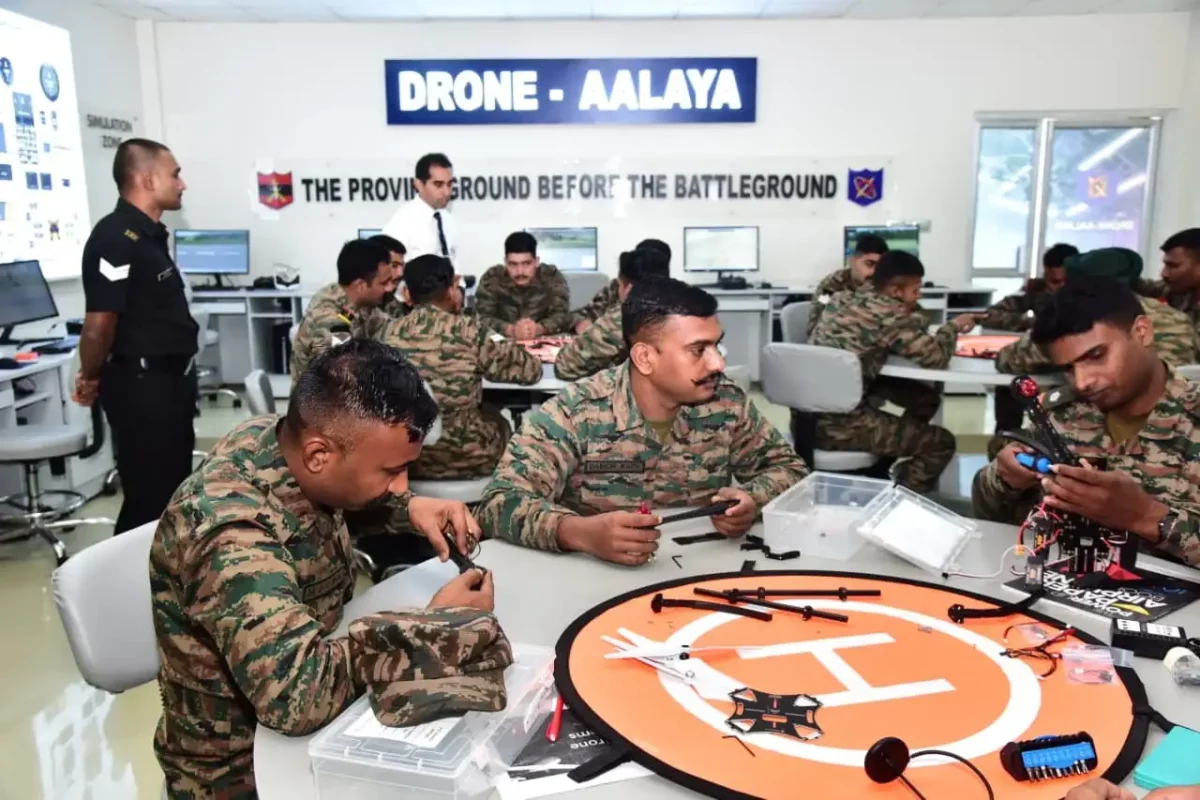
Secunderabad: The Indian Army has concluded the second edition of the Niche & Emerging Technology Application Course (NETAC-02) at the Military College of Electronics and Mechanical Engineering (MCEME), Secunderabad, strengthening efforts to equip junior military leaders with practical expertise in technologies increasingly shaping the modern battlefield.





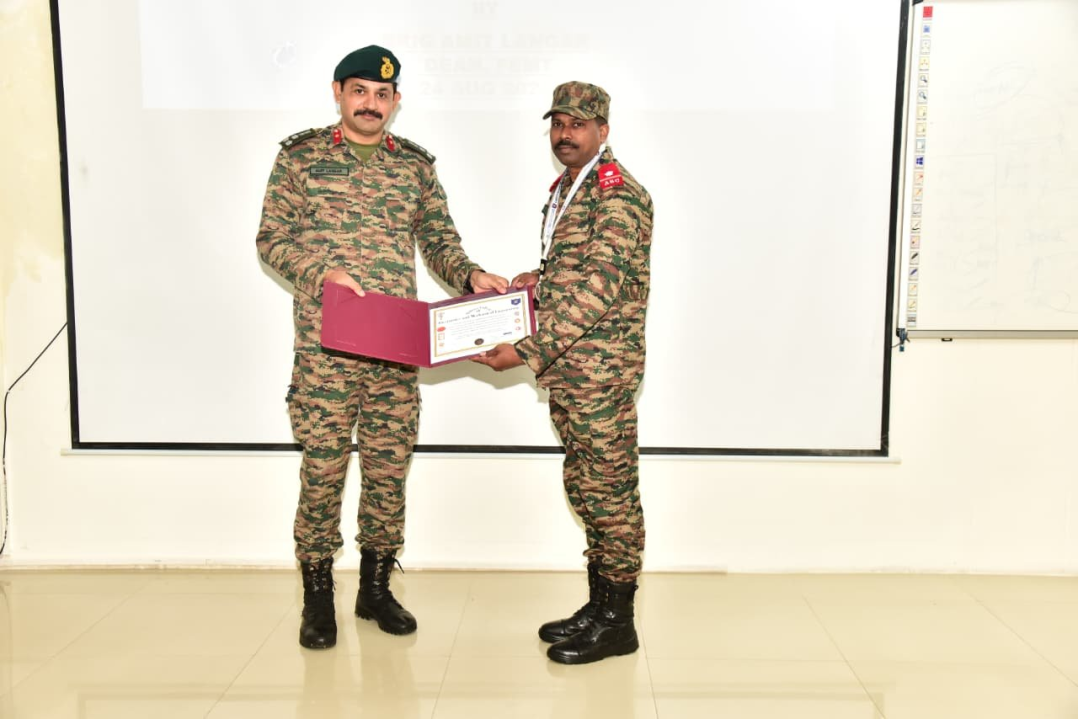
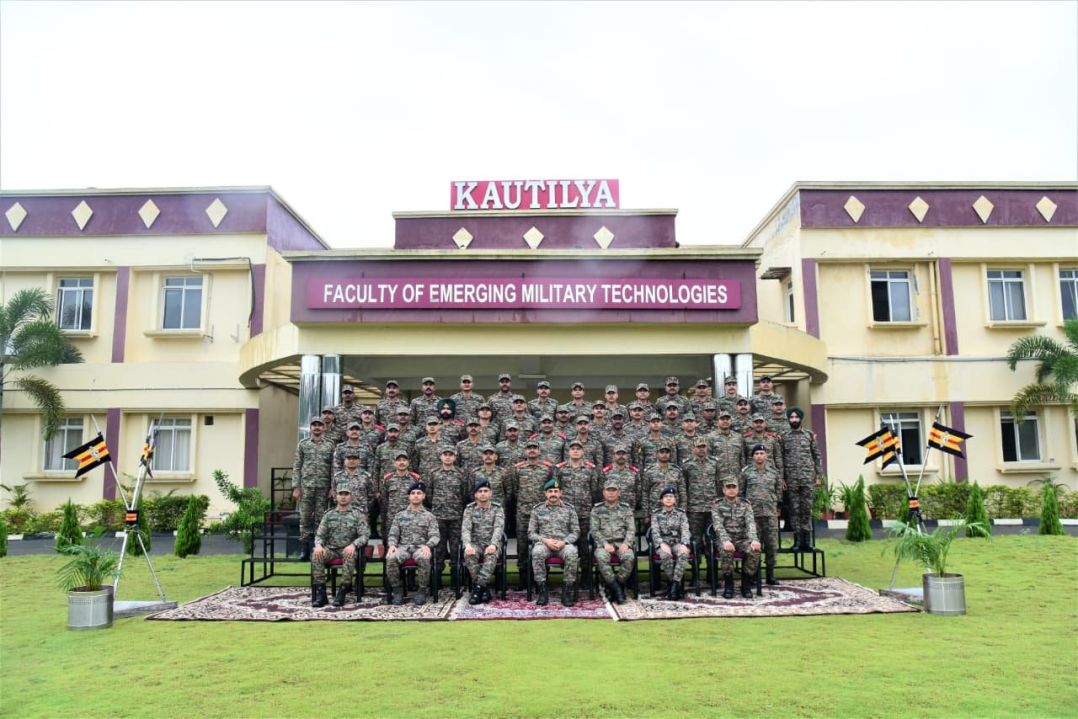
The four-week course concluded with a closing address at the Faculty of Emerging Military Technologies (FEMT), MCEME, on August 24, 2026. A total of 52 Indian Army personnel — 12 Junior Commissioned Officers (JCOs) and 40 Other Ranks — underwent specialised training focused on applying niche and emerging technologies to improve operational effectiveness.
NETAC-02 was designed around technologies that are rapidly changing the conduct of military operations, particularly drones, autonomous systems, artificial intelligence, electronic warfare applications and advanced manufacturing. Rather than limiting technological exposure to officers and specialist establishments, the course places considerable emphasis on developing technical awareness and practical capabilities among junior leaders who operate and supervise equipment at the unit and sub-unit levels.
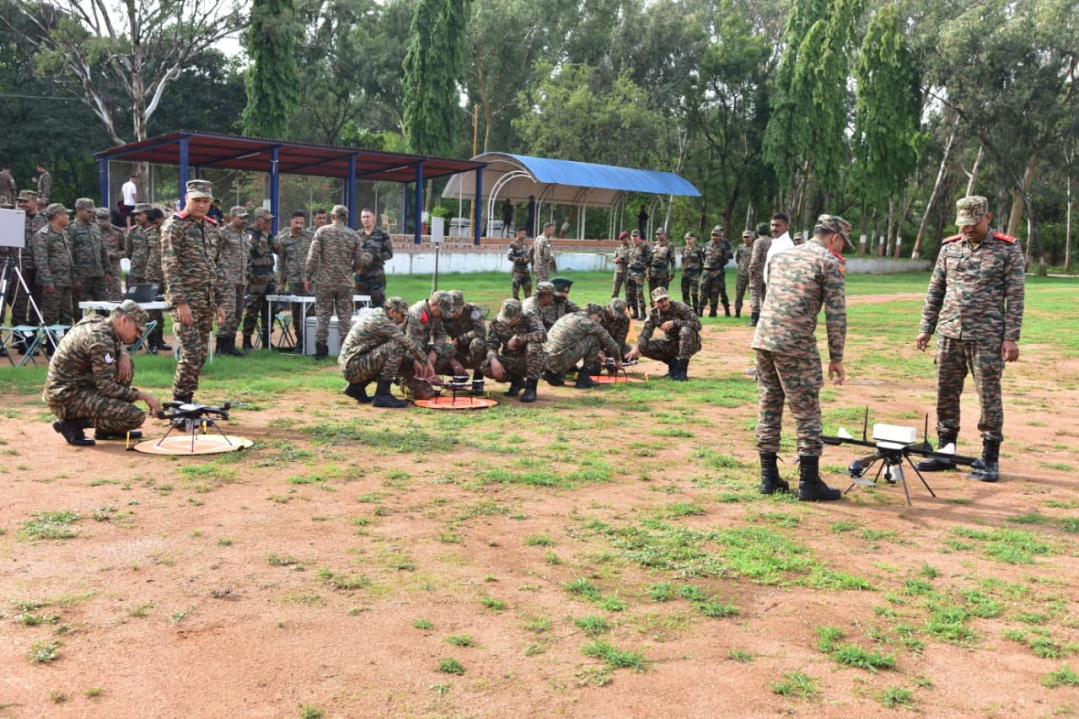
A major component of the training involved drones and Remotely Piloted Aircraft Systems (RPAS). Participants were exposed to drone operations, payload integration, flight control systems and associated technologies, giving them a broader understanding of how unmanned platforms can be configured and employed for different battlefield requirements.
Training also covered jamming techniques, an increasingly important element of contemporary drone warfare. With unmanned aerial systems now extensively employed for surveillance, reconnaissance, targeting and other battlefield functions, understanding both the operation of such systems and the methods used to disrupt them has become an important military skill.
The course additionally introduced participants to Unmanned Aircraft System technologies, autonomous systems and robotics. These areas are becoming increasingly relevant as militaries seek to reduce risks to soldiers while improving surveillance, logistics, situational awareness and operational reach through remotely operated and autonomous platforms.
Artificial Intelligence formed another important part of NETAC-02. Exposure to AI-related technologies was aimed at strengthening the ability of soldiers and junior leaders to understand and exploit technology-enabled systems rather than viewing emerging technologies purely as specialist domains.
One of the notable elements of the programme was its focus on Additive Manufacturing and 3-D printing. Participants were trained in applications that included the 3-D printing of UAV and weapon components. Such capabilities can potentially allow military formations to manufacture or replace selected components closer to where they are required, reducing dependence on lengthy conventional supply chains for suitable parts.
MCEME has been steadily incorporating these technologies into its wider training ecosystem. Earlier in 2026, the institution organised a seminar on robotics, autonomous drone systems and additive manufacturing that brought together the Armed Forces, industry, academia and policymakers. Discussions at the event focused on the growing convergence of artificial intelligence, autonomous systems and advanced manufacturing in future military operations.
NETAC-02 also went beyond classroom and laboratory instruction. Case studies introduced participants to indigenous innovation, Indian startups and the country’s broader technology ecosystem, helping soldiers understand how technologies developed outside traditional military establishments can be adapted for operational requirements.
Participants additionally visited Tata Aerospace, Adani Aerospace and Zen Technologies in Hyderabad. The industry exposure provided them with a first-hand understanding of advanced aerospace manufacturing, defence technologies, combat-training simulators and counter-drone systems.
The visits were intended to reinforce the connection between military training, research and development and India’s defence industry. They also highlighted the importance of indigenisation in turning emerging technologies into systems that can be practically deployed by military formations.
The course assumes significance amid the Indian Army’s wider push to create a technologically capable and future-ready force. MCEME itself has undergone substantial transformation in recent years, including modernised laboratories, technology-enabled classrooms and revised curricula incorporating drones, robotics, additive manufacturing and unmanned aerial systems.
The institution has also encouraged hands-on experimentation. Trainees have previously worked on indigenous projects such as the robotic assistant “Paricharak”, while training initiatives have promoted practical capabilities in designing, flying, maintaining and understanding drones for emerging battlefield requirements. MCEME has simultaneously expanded collaboration with industry and academia in areas including radars, missiles, armoured systems, space applications and drone warfare.
An important objective of NETAC-02 was therefore not merely to train 52 personnel, but to create a multiplier effect across Army units. The course strengthened technology-enabled decision-making and cross-domain interoperability while following a “Train the Trainer” philosophy. The JCOs and Other Ranks completing the programme are expected to disseminate the knowledge and capabilities acquired during the course among personnel in their respective units.
This approach could help emerging technologies reach soldiers at the operational level more quickly. Junior leaders occupy a critical position between commanders, technical specialists and troops operating equipment on the ground, making them particularly important for translating new technologies into practical battlefield capabilities.
The conclusion of NETAC-02 reflects the Indian Army’s broader effort to ensure technological transformation is not confined to acquiring sophisticated platforms. Developing personnel who can understand, operate, adapt and innovate with new technologies is increasingly becoming equally important as warfare evolves towards highly networked, unmanned and technology-intensive operations.
By exposing JCOs and Other Ranks to drones, artificial intelligence, robotics, autonomous systems, electronic warfare techniques and additive manufacturing, NETAC-02 represents another step towards creating technologically empowered junior leaders capable of taking emerging capabilities from specialised training establishments to operational Army units across the country.