

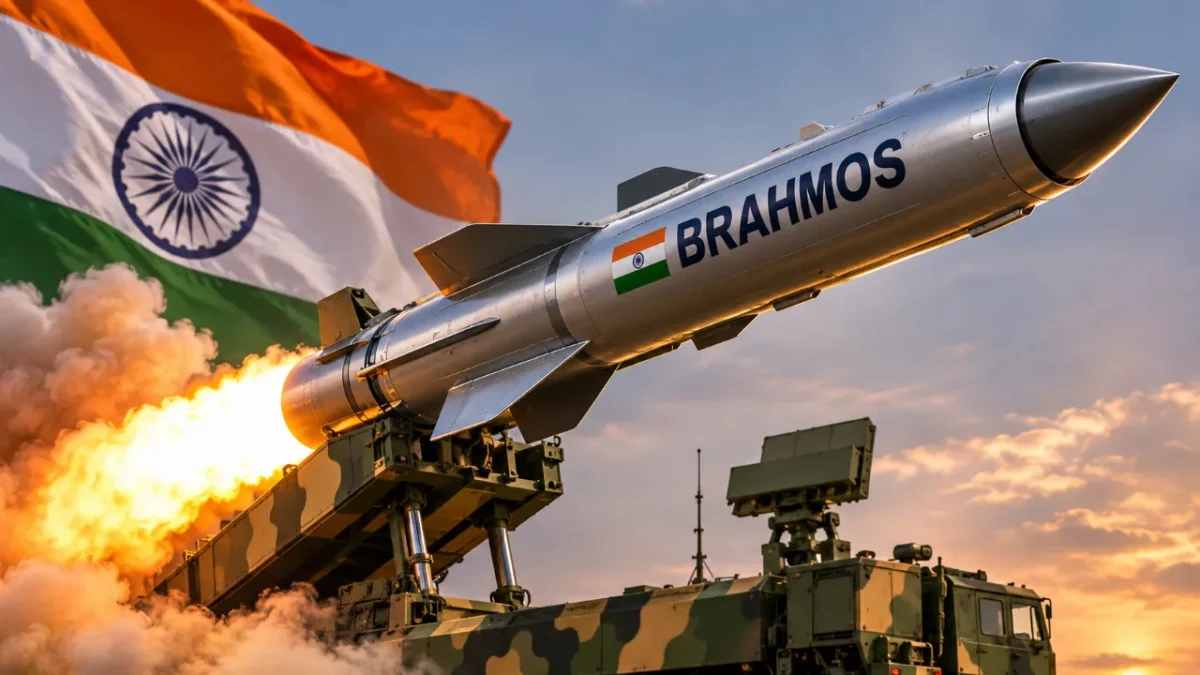
According to three sources with direct knowledge of the matter who spoke to Reuters on 5 November 2026, the Philippines is expected to acquire about five BrahMos systems comprising nearly 60 missiles. This would substantially exceed the earlier $375 million (PHP 18.9 billion) contract signed in January 2022 for three shore-based anti-ship missile batteries intended for the Philippine Marine Corps.





One Indian source stated that “Manila has shown interest again to procure about 5 systems of the BrahMos and they now view India as a very reliable partner.” New Delhi is nearing completion of deliveries under the 2022 agreement. The first battery arrived by air in April 2024 and the second by sea in April 2025, with the third expected to complete the contract in the near term.
Philippine Defence Ministry spokesperson Arsenio Andolong confirmed to Reuters that President Ferdinand Marcos Jr. has expressed a desire to acquire additional BrahMos missiles, though he provided no further details. Separately, Defence Secretary Gilberto Teodoro, speaking virtually at the Delhi Defence Dialogue on 5 November 2026, said the Philippines hopes to increase the number of BrahMos units in service.
He noted that Manila has already shared a “wish list” with Indian authorities to tailor the system more closely to the Philippine environment, taking into account factors such as road and bridge infrastructure and the logistical challenges of operating across an archipelago.
The proposed acquisition forms part of the Philippines’ broader military modernisation programme and efforts to strengthen coastal defences amid ongoing tensions in the South China Sea. Manila has sought to enhance anti-access/area-denial and sea-control capabilities in the face of overlapping territorial claims with China.
BrahMos, jointly developed by India’s Defence Research and Development Organisation (DRDO) and Russia’s NPO Mashinostroyeniya, is among the world’s fastest operational supersonic cruise missiles. It can be launched from land, sea, and air platforms, cruises at approximately Mach 2.8–3, and carries a conventional warhead in the 200–300 kg range. The export configuration supplied to the Philippines is the shore-based anti-ship variant with a range consistent with Missile Technology Control Regime guidelines (typically cited around 290 km for the original export version).
The Philippines was the first foreign customer for BrahMos. A successful follow-on order of this scale would significantly expand India’s defence exports and reinforce bilateral defence cooperation, while further establishing Manila as a major operator of the system. Neither government has publicly confirmed the final terms or timeline of the new negotiations. Reuters reported that it was the first to disclose the prospective size and value of the deal.