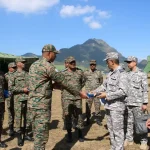

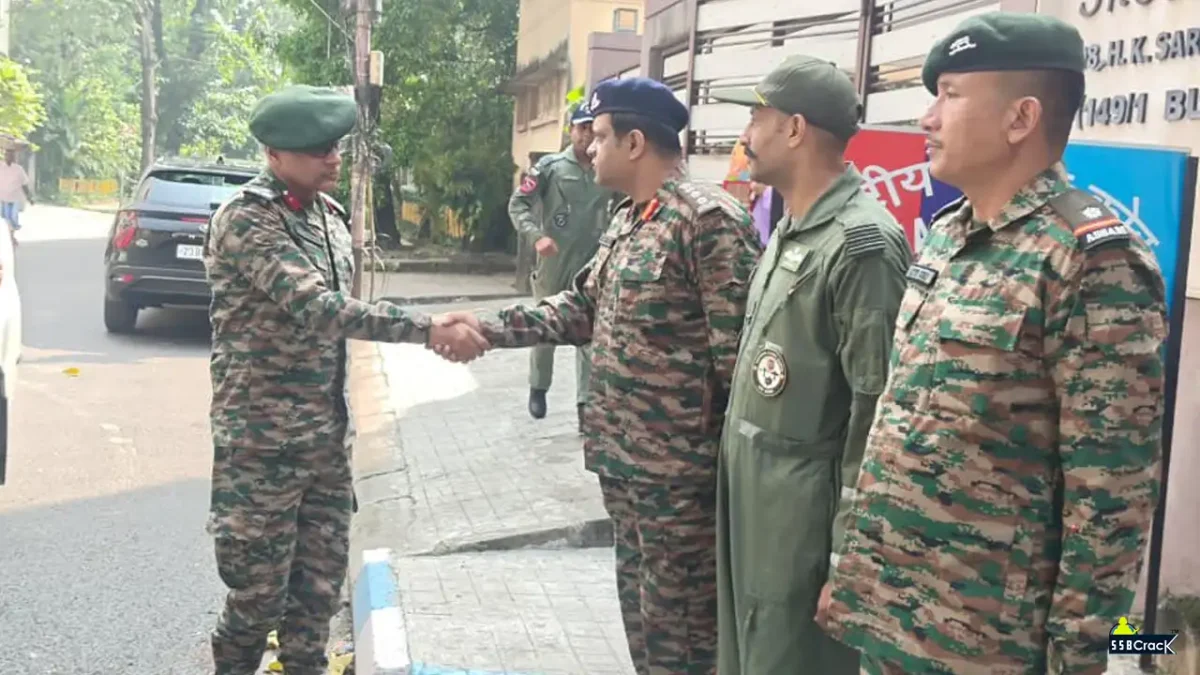
Kolkata: Brigadier SS Pundir, Group Commander, NCC Group Headquarters Kolkata ‘B’, visited 2 Bengal Girls Battalion NCC under the aegis of NCC Directorate West Bengal and Sikkim to review the unit’s operational preparedness, training activities, infrastructure development and logistical arrangements.





The visit focused on strengthening institutional capabilities, improving administrative efficiency and reinforcing the values of leadership, discipline and teamwork among personnel responsible for training and mentoring NCC cadets.
During the visit, Brig SS Pundir received a comprehensive briefing on the battalion’s ongoing activities, infrastructure development initiatives, training programmes and logistics management. The briefing provided an overview of the unit’s preparedness and its efforts to maintain high standards of training and administrative effectiveness.
The Group Commander reviewed various aspects of the unit’s functioning, highlighting the importance of effective coordination between training, administration and logistics in achieving organisational objectives.
Brig SS Pundir also interacted with officers, Permanent Instructional (PI) Staff, Girl Cadet Instructors (GCIs) and civilian personnel serving with the battalion.
During the interaction, he appreciated their dedication, professionalism and commitment towards maintaining the high standards expected of NCC establishments. He acknowledged their contributions to training, administration and the overall development of cadets.
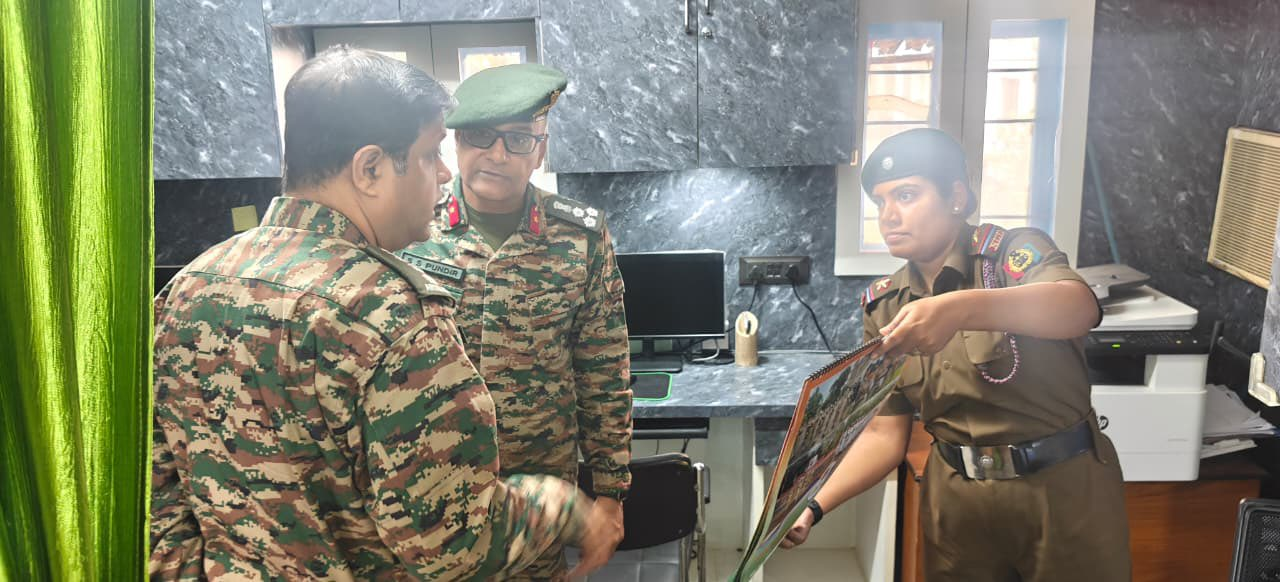
The senior officer emphasised the importance of professionalism, teamwork and effective coordination in ensuring the smooth functioning of the battalion. He highlighted that successful training outcomes depend on the collective efforts of instructional, administrative and support personnel working towards common objectives.
Brig SS Pundir called upon all ranks to uphold the fundamental values of Discipline, Integrity and Selfless Service, stressing that these principles form the foundation of responsible leadership and professional conduct.
He encouraged personnel to lead by example and demonstrate the qualities they seek to develop among NCC cadets. The Group Commander emphasised that instructors and staff play an important role in shaping the character, confidence and leadership abilities of young cadets through their personal conduct and professional dedication.
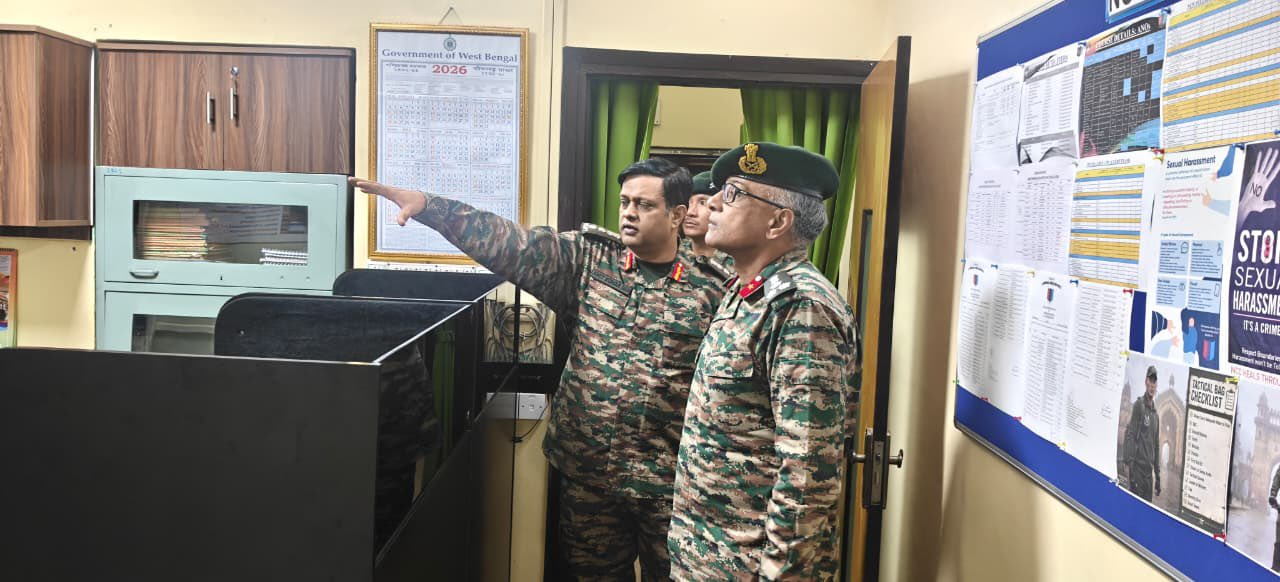
He also urged all personnel to remain motivated, maintain a positive outlook and work cohesively towards achieving the battalion’s organisational goals.
The visit highlighted the importance of maintaining an effective training environment supported by adequate infrastructure, coordinated logistics and dedicated instructional staff.
The 2 Bengal Girls Battalion NCC plays a role in providing structured training and leadership development opportunities to girl cadets, encouraging them to develop confidence, discipline, physical fitness and a spirit of national service.
Through its training programmes and associated activities, the battalion contributes to the broader objectives of the National Cadet Corps, which seeks to develop character, comradeship, leadership, a secular outlook, a spirit of adventure and the ideals of selfless service among young citizens.
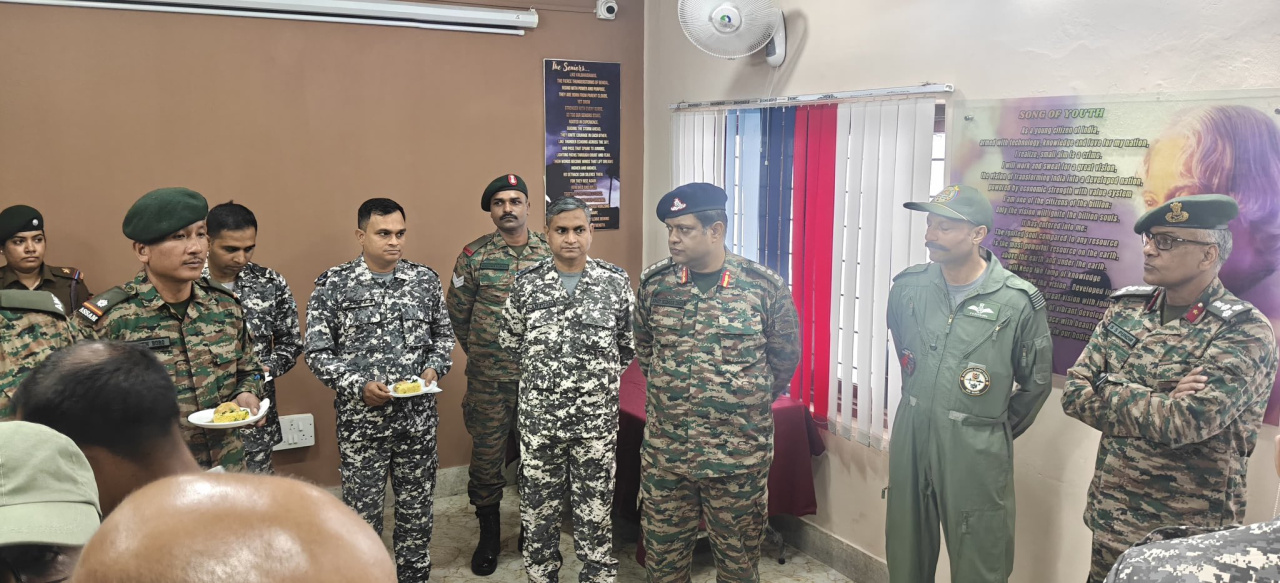
The interaction also reinforced the importance of empowering young women through NCC training by providing opportunities to develop leadership skills, teamwork, resilience and a sense of responsibility.
Brig SS Pundir’s visit provided renewed motivation to the officers and staff of the battalion while reinforcing the need for continuous improvement in training standards, administrative practices and logistics management.
The inspection reflected the NCC Directorate West Bengal and Sikkim’s continuing emphasis on institutional excellence and the development of well-trained, disciplined and motivated cadets.
The visit reaffirmed the commitment of 2 Bengal Girls Battalion NCC towards excellence in training, administration, logistics and cadet development, while inspiring personnel to uphold the NCC motto of “Unity and Discipline” and serve as role models for future generations.