
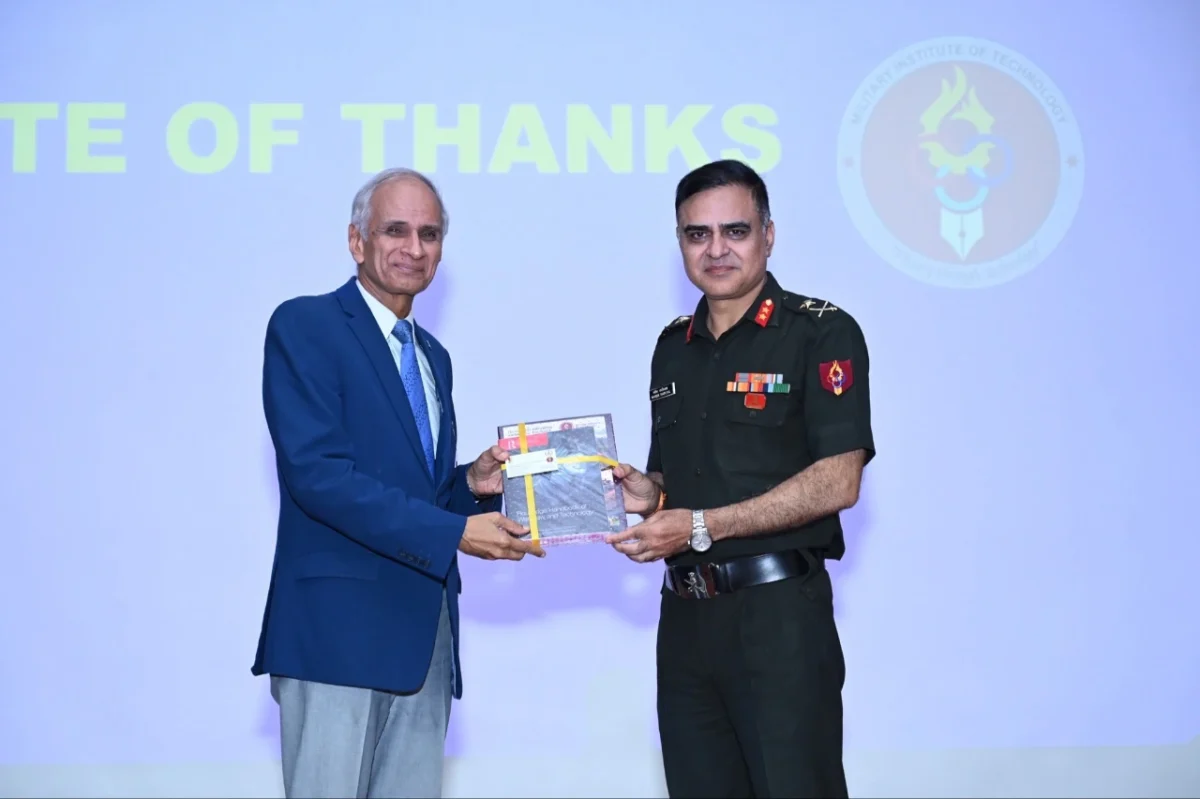
Pune, November 10, 2026: Former Chief of the Naval Staff Admiral Karambir Singh (Retd) delivered a guest lecture on “Navigating the Evolving Digital Landscape in Defence – Leadership Perspectives” at the Military Institute of Technology (MILIT), Pune, highlighting the growing importance of emerging technologies in modern warfare and the need for India’s Armed Forces to adapt to rapidly changing operational environments.

The lecture was attended by officers of the 9th Defence Services Technical Staff Course (DSTSC-09) and other ongoing courses at MILIT.
Addressing the transition from the industrial age to the digital era, Admiral Karambir Singh emphasised how the accelerating pace of commercial technological innovation is transforming military operations, strategic planning and battlefield decision-making.
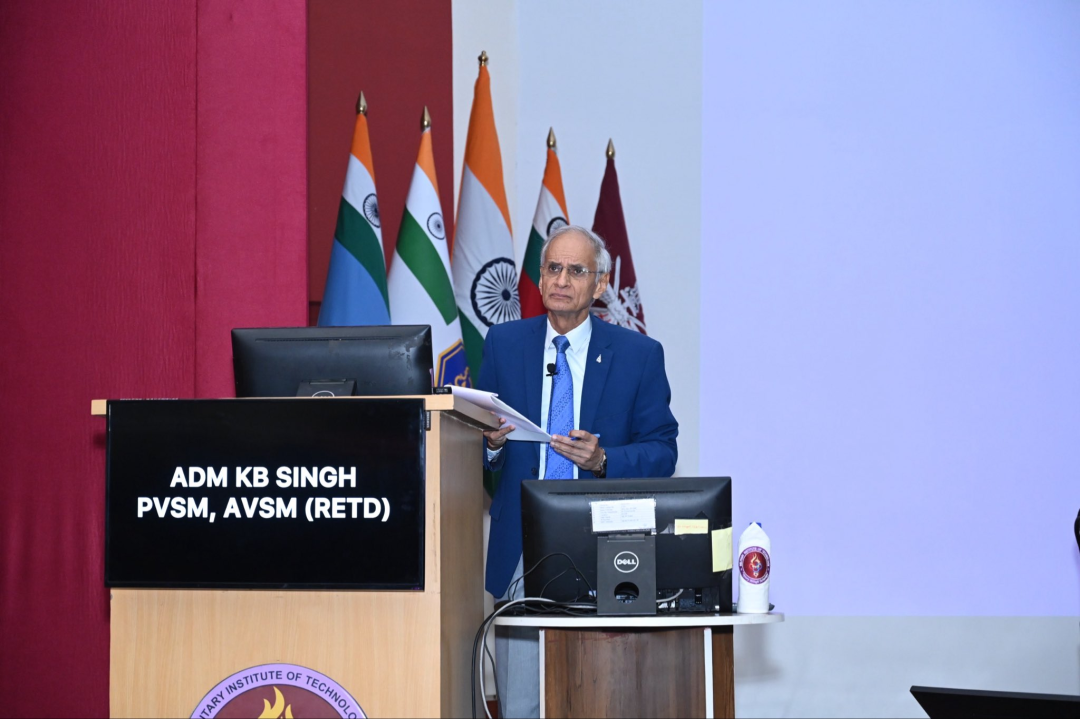
Drawing lessons from ongoing conflicts across the world, the former Navy Chief explained how drones, surveillance satellites and distributed surveillance networks are fundamentally reshaping the nature of asymmetric warfare. He highlighted the increasing ability of technologically equipped forces to challenge conventional military advantages through affordable, adaptable and interconnected systems.
Admiral Singh stressed the need to reconsider traditional military force structures in response to these developments. He advocated greater emphasis on Manned-Unmanned Teaming (MUM-T), which integrates human-operated platforms with autonomous and remotely controlled systems to improve operational effectiveness and battlefield awareness.
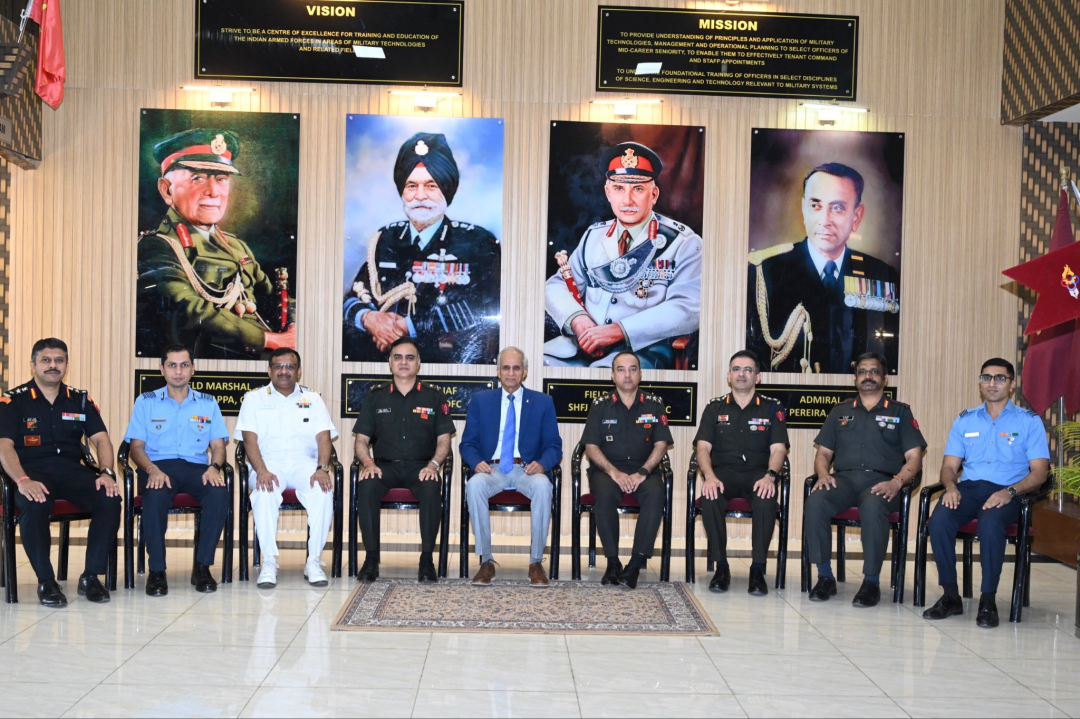
He also underlined the importance of network-centric warfare and next-generation combat kill-web capabilities, where sensors, decision-makers and weapons systems are interconnected to enable faster information sharing, improved situational awareness and coordinated military responses.
A major focus of the lecture was the shift from traditional hardware-centric defence acquisition towards software-driven military capabilities. Admiral Singh observed that modern defence systems increasingly depend on adaptable software architectures, continuous technological upgrades and the ability to respond quickly to emerging threats.
He called for more agile defence acquisition processes that would allow military organisations to incorporate technological improvements without being constrained by lengthy procurement and development cycles.
According to the perspectives presented during the lecture, adaptable software architectures and rapid modification capabilities will be essential for maintaining operational superiority in an increasingly technology-driven security environment.
The interaction provided officers undergoing professional military education at MILIT with insights into the changing character of warfare and the leadership challenges associated with integrating emerging technologies into military operations.
The lecture also reinforced the importance of technological adaptability, innovation and forward-looking military leadership as the Indian Armed Forces prepare for future conflicts characterised by artificial intelligence, autonomous platforms, interconnected sensors and rapidly evolving digital capabilities.