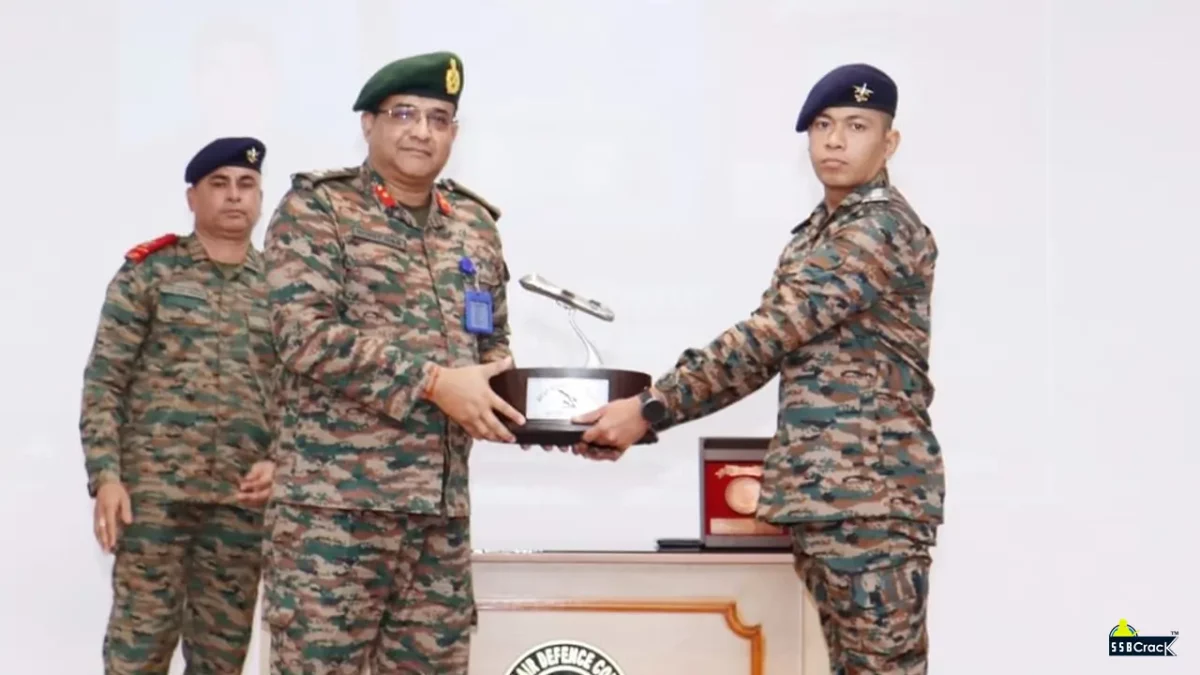
The Army Air Defence College, Gopalpur, successfully concluded the Anti-Remotely Piloted Aircraft System (Tri-Services) Course on 21 July 2026, marking another significant step in enhancing India’s capabilities to counter the growing threat posed by unmanned aerial systems. The course brought together military personnel from India and several friendly foreign nations, highlighting the importance of joint training and international cooperation in addressing emerging security challenges.





The specialised course was attended by officers of the Indian Army and the Indian Navy, along with officers from the armed forces of Ethiopia, Kazakhstan, Armenia, Mongolia, Kyrgyzstan, and Ivory Coast. The participation of foreign military officers underscored the Army Air Defence College’s role as a premier institution for professional military education and its contribution to strengthening defence partnerships with friendly nations.
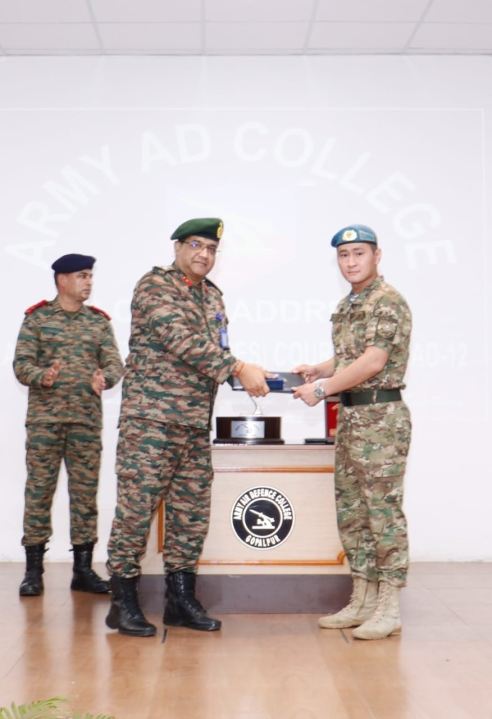
Designed to address the rapidly evolving landscape of drone warfare, the course focused extensively on the latest Counter-Unmanned Aircraft Systems (C-UAS) technologies and operational concepts. Participants were exposed to modern detection, identification, tracking, and neutralisation techniques employed to counter remotely piloted aircraft systems, which have become increasingly prominent in contemporary conflicts.
The curriculum also examined emerging global best practices in anti-drone operations, enabling participants to understand evolving tactics, techniques, and procedures for defending military installations and critical infrastructure against unmanned aerial threats. Through expert lectures, operational discussions, and practical learning modules, officers gained valuable insights into integrating advanced counter-drone capabilities into modern battlefield operations.
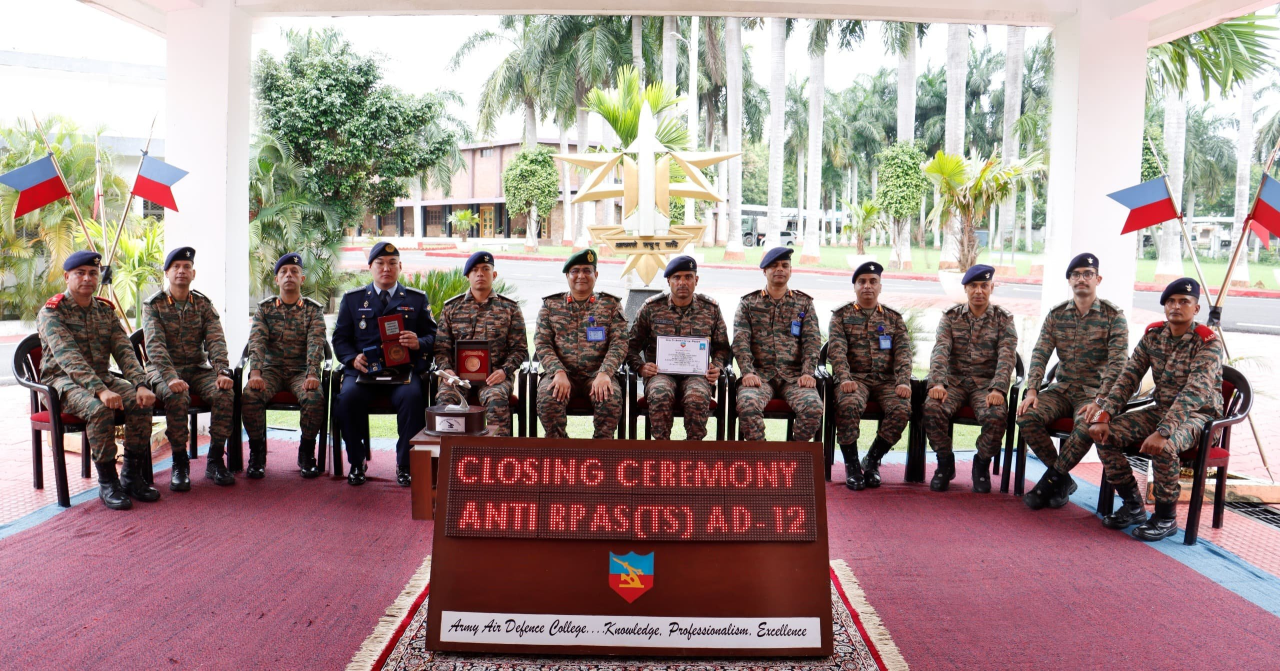
A key objective of the Tri-Services course was to strengthen joint operational capability by promoting interoperability among different military services. As drone threats continue to evolve in complexity and scale, coordinated responses between the Army, Navy, Air Force, and partner nations have become increasingly important. The training emphasised collaborative planning, information sharing, and unified operational responses to enhance mission effectiveness.
The course also reinforced India’s commitment to expanding international defence cooperation. By training officers from friendly foreign countries alongside Indian personnel, the Army Air Defence College fostered greater mutual understanding, professional exchange, and long-term military partnerships. Such initiatives contribute to regional and global security while enabling participating nations to collectively address the challenges posed by rapidly advancing unmanned aerial technologies.
The successful culmination of the Anti-Remotely Piloted Aircraft System (Tri-Services) Course reflects the Indian Armed Forces’ continued focus on preparing for the changing character of warfare. As drones and other unmanned platforms become increasingly significant on the modern battlefield, institutions like the Army Air Defence College remain at the forefront of developing the knowledge, skills, and interoperability required to counter future aerial threats effectively.