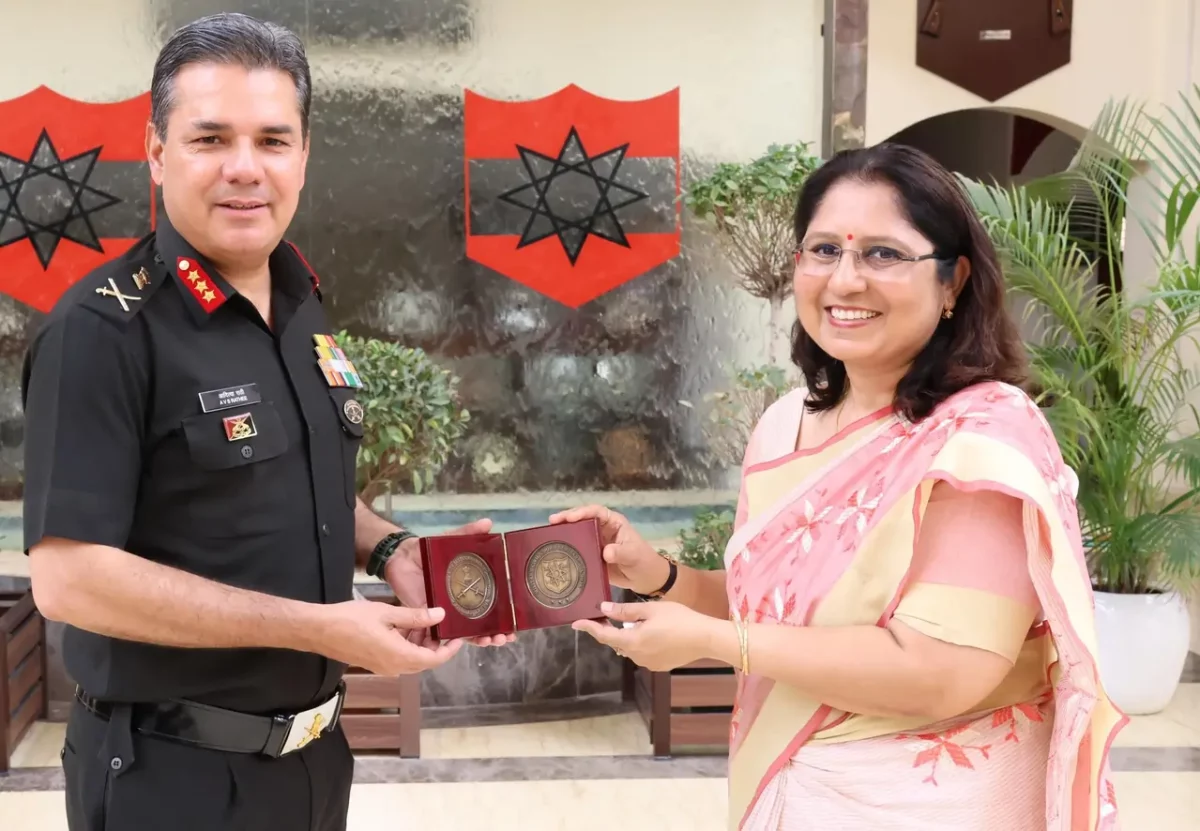
In a significant step towards enhancing inter-agency collaboration and strengthening national resilience, the Indian Army’s Konark Corps hosted a Military-Civil Coordination Seminar under the theme “Forging Strength through Military-Civil Fusion.” The seminar brought together senior representatives from the Indian Army, Rajasthan Police, Border Security Force (BSF), the Rajasthan State Administration, Public Sector Undertakings (PSUs), and leading academic institutions to foster greater synergy in addressing emerging security and administrative challenges.





The seminar served as an important platform for dialogue and cooperation among diverse stakeholders responsible for national security, border management, governance, and disaster response. By facilitating direct interaction between military and civilian agencies, the event aimed to strengthen institutional partnerships that are increasingly vital in today’s dynamic security environment.
During the seminar, participants engaged in a series of brainstorming sessions and structured discussions focused on leveraging the unique capabilities of each participating organisation. The deliberations explored mechanisms for improving coordination, sharing expertise, and developing integrated approaches to respond effectively to evolving operational, logistical, technological, and administrative challenges.
Special emphasis was placed on enhancing preparedness through collaborative planning, resource optimisation, and rapid response mechanisms. The participants examined ways to strengthen joint action during emergencies, natural disasters, border contingencies, infrastructure development, and other situations requiring coordinated civil-military efforts. The discussions also highlighted the growing importance of technology, innovation, and institutional partnerships in ensuring efficient governance and national security.
Representatives from academia contributed valuable perspectives on research, technological innovation, and capacity building, while Public Sector Undertakings shared their expertise in infrastructure, logistics, and industrial capabilities. The inclusion of multiple stakeholders reflected the broader concept of Military-Civil Fusion, which seeks to integrate the strengths of government agencies, security forces, industry, and educational institutions for comprehensive national development and defence preparedness.
Officials from the Rajasthan Police and the Border Security Force also exchanged experiences related to border security, internal security management, intelligence sharing, and coordinated field operations. Such interactions are expected to enhance interoperability among agencies operating in Rajasthan, a strategically significant state that shares an international border with Pakistan.
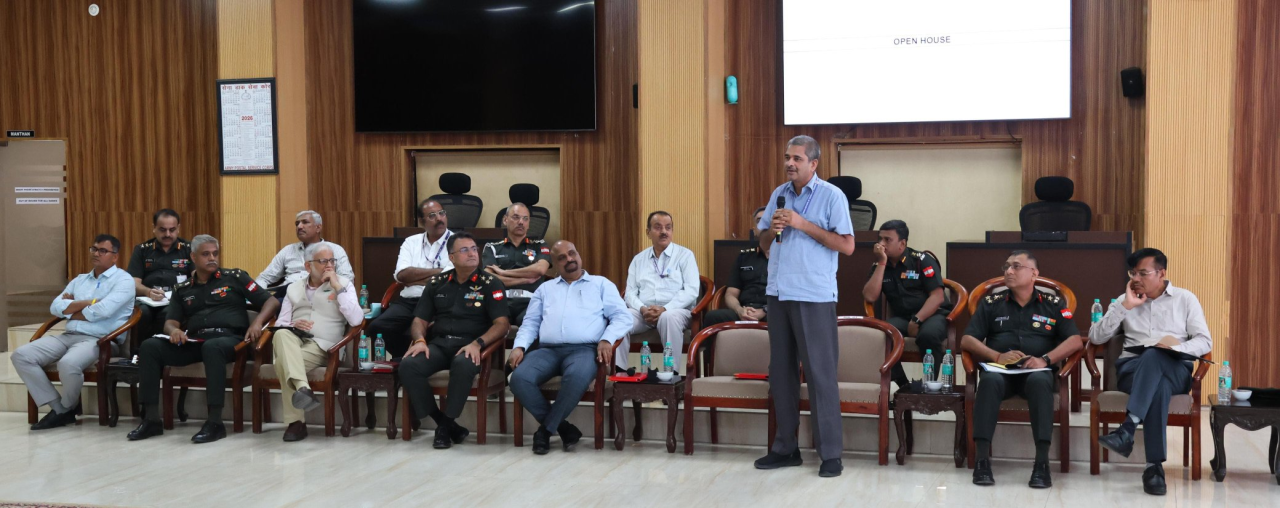
The seminar underscored the importance of regular military-civil engagements in building trust, improving communication channels, and creating institutional mechanisms that enable swift and coordinated responses during crises. Participants agreed that evolving security challenges require a whole-of-government and whole-of-society approach, where military and civilian organisations work seamlessly towards common national objectives.
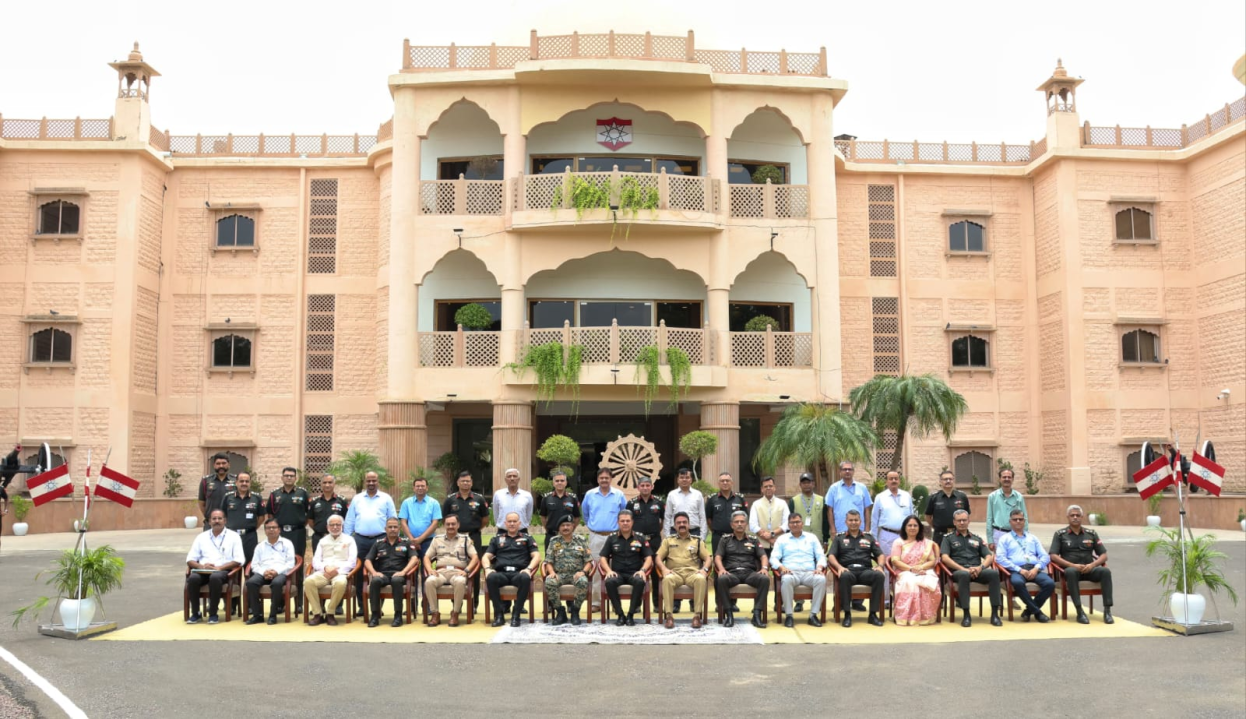
Concluding the seminar, all stakeholders reaffirmed their unwavering commitment to the principle of “Nation First” and pledged to further strengthen cooperation across sectors. The event reinforced the shared vision of creating a “Resilient, Responsive and Future-Ready Ecosystem” capable of addressing both conventional and emerging challenges while contributing to India’s long-term national security and development goals.
The Military-Civil Coordination Seminar hosted by Konark Corps reflects the Indian Army’s continued emphasis on fostering strategic partnerships beyond the military domain. By bringing together security forces, civil administration, public enterprises, and academia on a common platform, the initiative represents another important step towards building a stronger, more integrated national security architecture prepared for the challenges of the future.