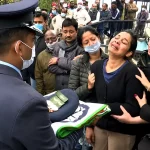

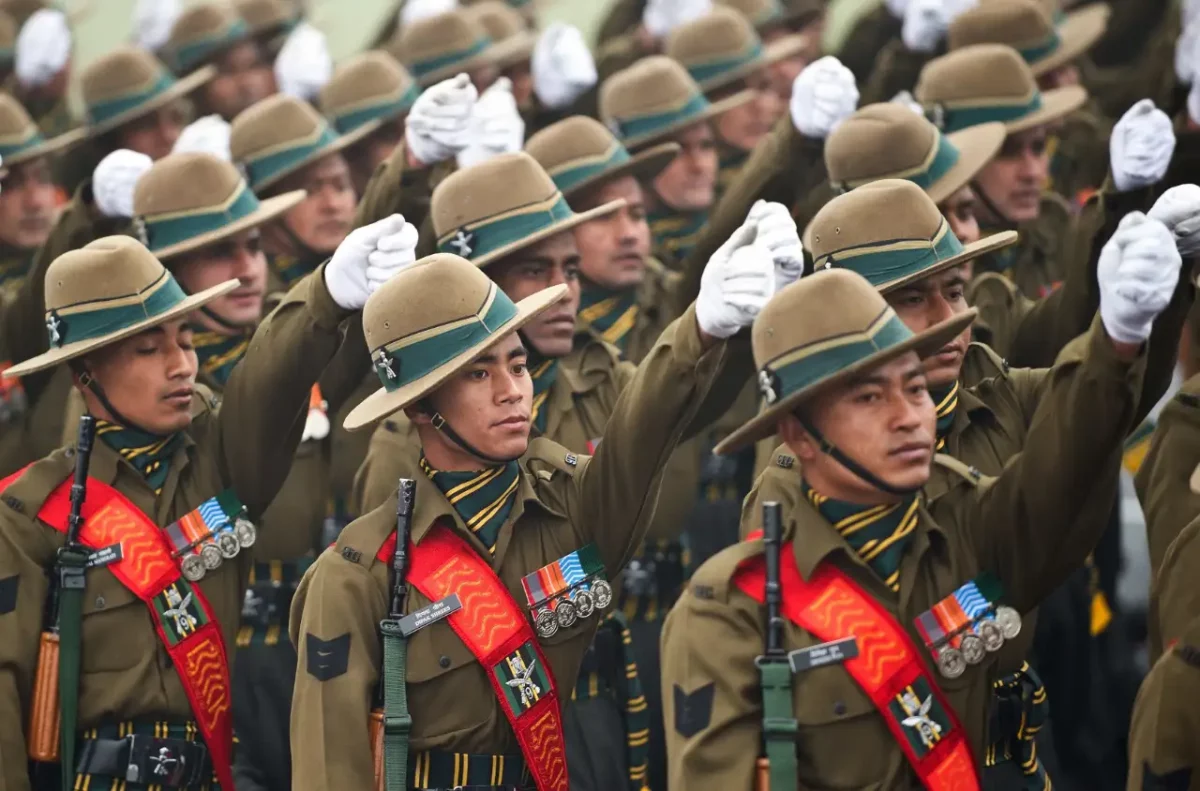
Pokhara/New Delhi: Former Gorkha soldiers of the Indian Army, their family members and Nepali youths staged a protest in the western Nepalese city of Pokhara on Wednesday (12 August 2026), demanding that Kathmandu immediately allow the recruitment of Nepali youths into the Indian Army under the Agnipath scheme.

The demonstration was organised by the Indian Ex-Servicemen Gorkha Brigade Nepal (Pokhara chapter). Protesters marched from Pokhara Stadium to the District Administration Office in Kaski district, carrying placards and submitting a two-point memorandum to the Chief District Officer for forwarding to the federal government.
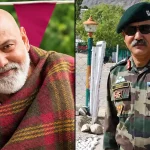
Brigade Chairman Colonel (Retd) Krishna Bahadur Khatri stated that recruitment of Nepali youths into the Indian Army began after the Treaty of Sugauli and has continued for 207 years. “However, after India started the Agnipath scheme, the Nepal government, citing various reasons, has deprived Nepali youths from being recruited into the Indian Army. This has resulted in the loss of employment and the history of bravery earned by our ancestors is also on the verge of being erased,” Khatri was quoted as saying.
The memorandum’s two core demands were the immediate resumption of Gorkha recruitment under Agnipath and the renewal of ex-servicemen organisations that include the word “soldier” or “ex-servicemen” in their names. Protesters accused Nepal’s Ministry of Home Affairs of blocking such renewals through a 17 April 2024 circular that restricted the term “soldier” to the Nepal Army alone.
Participants argued that Agnipath offered a far better option than low-paid labour in Gulf countries. The memorandum noted that over four years an Agniveer could earn approximately 4.5 to 5 million Nepali rupees along with various facilities — “hundreds of times better than going to the Gulf with 50 degrees Celsius temperature and working for a minimum wage.” They said Nepali youths should not be compelled to seek employment abroad when a traditional avenue of honourable service remained closed.
Background to the recruitment freeze
Gorkha recruitment into the Indian Army has been suspended since around 2019–2020, initially due to the COVID-19 pandemic. After India introduced the Agnipath scheme on 14 June 2022, Nepal formally halted the process. Under Agnipath, recruits (Agniveers) serve a fixed four-year term; up to 25 per cent may be retained for longer service while the rest leave with a one-time severance package and no pension.
Kathmandu has maintained that the short-term contractual nature of the scheme is inconsistent with the 1947 Tripartite Agreement between India, Nepal and the United Kingdom, which provided for broadly similar terms of service for Nepali Gorkhas as for their counterparts. India has held that Agnipath is a uniform national policy applicable to all recruits and that the decision on whether to allow Nepali citizens to join under it rests with the Nepali government.
Historically, roughly 32,000–40,000 Gorkha soldiers from Nepal have served in the Indian Army’s seven Gorkha Rifles regiments at any given time. The prolonged freeze has left significant vacancies, with the Army increasingly filling shortfalls from Indian-domiciled Gorkhas and other hill communities. Pokhara remains a major hub of Indian Army Gorkha veterans and their families.
Timing and wider context
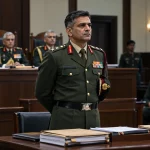
The protest comes just days before Indian Army Chief General Dhiraj Seth’s scheduled five-day visit to Nepal beginning 16 August 2026. During the visit, President Ram Chandra Paudel is expected to confer on him the honorary rank of General of the Nepali Army — a reciprocal tradition dating back to 1950. General Seth is also likely to hold discussions with Nepal Army Chief General Ashok Raj Sigdel and may call on Prime Minister Balendra Shah.
The demonstration forms part of a broader pattern of pressure from Gorkha veteran groups and aspirants who view the recruitment freeze as both an economic blow and an erosion of a centuries-old military tradition. Limited domestic employment opportunities in Nepal have kept interest in Indian Army service high among many young men, even under the revised Agnipath terms.
Organisers have indicated they will continue protest programmes if their demands are not addressed. The episode underscores the continuing sensitivity of Gorkha recruitment as both a bilateral defence issue and a livelihood concern for communities in Nepal that have long been linked to India’s Gorkha regiments.