
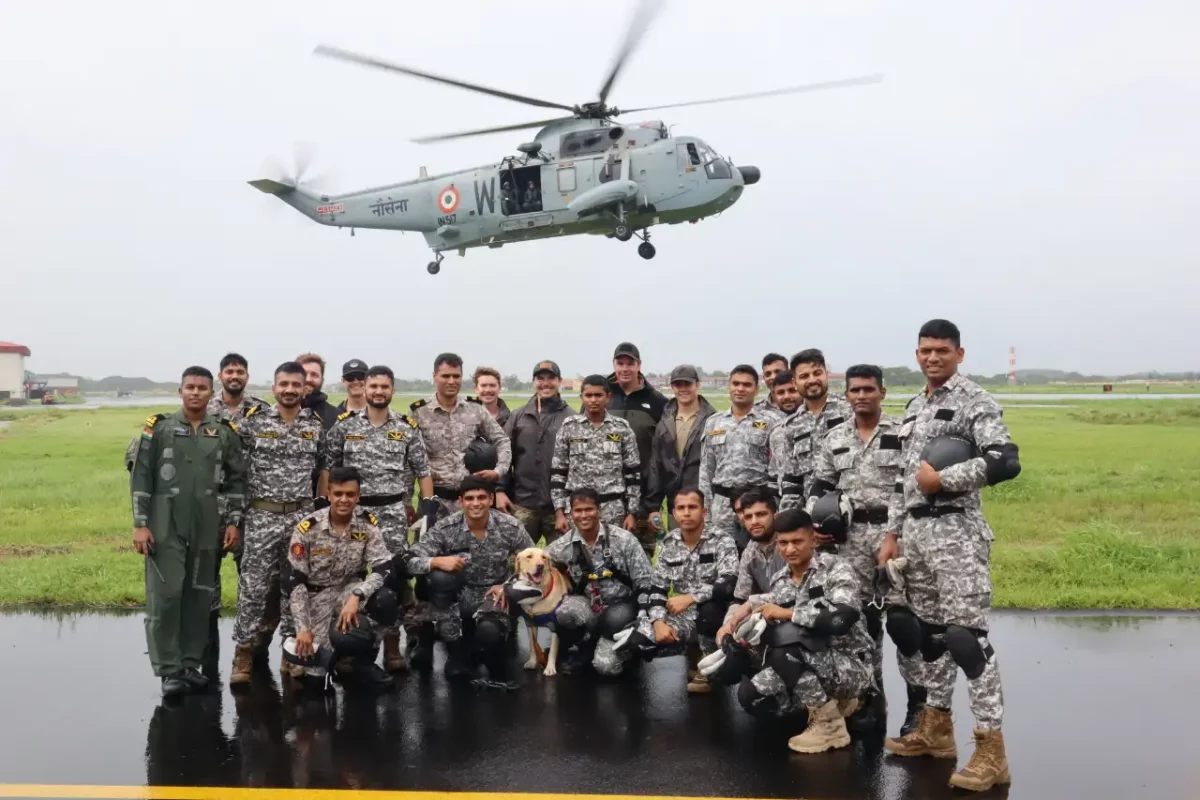
The Indian Navy and the United States Navy are set to commence the eighth edition of their specialised bilateral Explosive Ordnance Disposal (EOD) Exercise at the Southern Naval Command in Kochi, further strengthening interoperability and professional cooperation between the two maritime forces.
According to the Ministry of Defence, the Indian Navy–US Navy Explosive Ordnance Disposal Exercise 2026 will be conducted from August 10 to 14, bringing together specialist diving and EOD teams from both navies for five days of intensive professional interaction and practical training.
The exercise is aimed at improving the ability of Indian and American naval personnel to work together while sharing expertise in the highly specialised field of explosive ordnance disposal.
During the five-day engagement, personnel from the two navies will participate in Subject Matter Expert Exchanges, commonly referred to as SMEEs, along with cross-training activities, equipment demonstrations and scenario-based practical exercises.
These activities will provide specialists from both sides an opportunity to exchange contemporary EOD methodologies and discuss emerging technologies relevant to their operations.
The programme will also facilitate the sharing of best practices developed by the Indian Navy and US Navy through their respective operational experiences.
An important objective of the exercise will be to provide personnel with greater insight into each other’s capabilities, operational concepts and employment philosophies. Such familiarity is particularly valuable when specialist teams from partner navies are required to coordinate during complex maritime contingencies.
Explosive Ordnance Disposal is a technically demanding field involving the identification, assessment and safe handling or neutralisation of explosive hazards. In a maritime environment, EOD specialists can be required to operate in challenging conditions, including underwater environments, making specialised diving skills and advanced equipment particularly important.
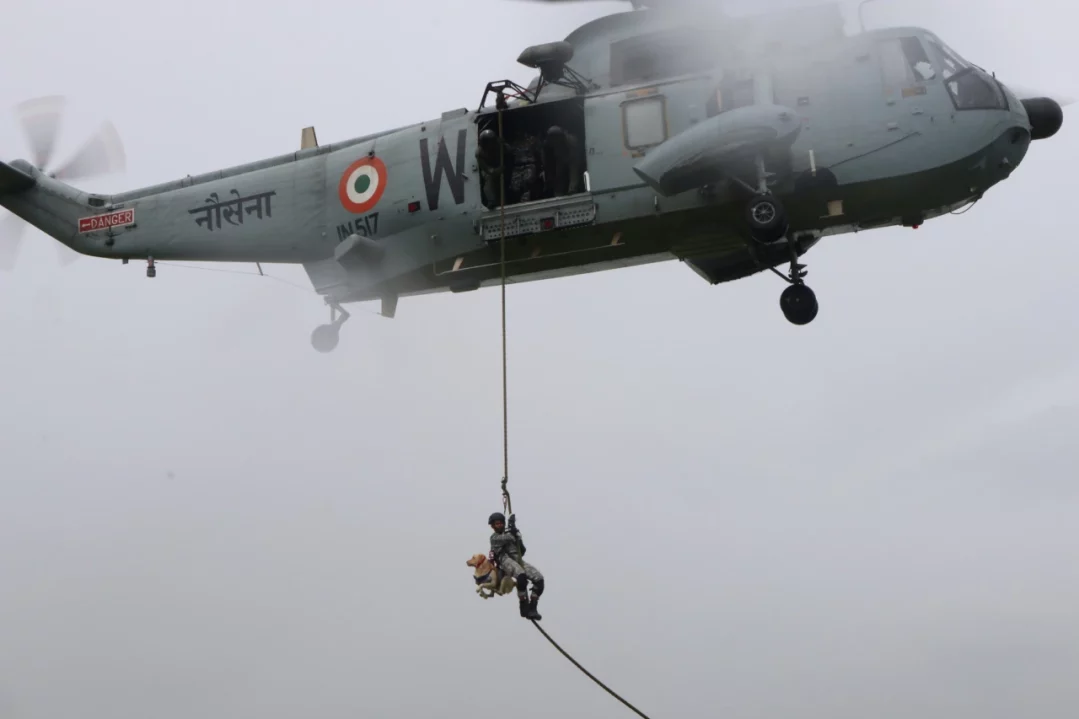
Scenario-based practical exercises during the Kochi engagement are expected to allow participating teams to apply their knowledge in realistic training situations. Such exercises help personnel refine procedures while identifying areas where coordination and interoperability can be further improved.
The exercise has been designed around collaborative learning and operational synergy. By training together, personnel from both navies will be able to compare procedures, understand different approaches to specialised operations and improve their ability to respond collectively to complex and evolving EOD challenges.
The 2026 edition also represents another milestone in a bilateral training relationship that has developed over more than two decades.
The Indian Navy and US Navy have been conducting joint Salvage and Explosive Ordnance Disposal exercises since 2005. The forthcoming exercise at Southern Naval Command will mark the eighth edition of this specialised bilateral engagement.
The continuity of the exercise demonstrates the importance both navies attach to maintaining professional interaction between their specialist personnel.
Over successive editions, such engagements have provided opportunities for exchanging operational expertise and familiarising personnel with equipment, techniques and procedures employed by the other navy.
The exercise at Kochi comes against the backdrop of expanding maritime cooperation between India and the United States. The two navies interact through a range of exercises and professional engagements covering different aspects of maritime operations.
Specialised exercises involving relatively small groups of highly trained personnel complement larger naval engagements by concentrating on specific capabilities where technical expertise, common procedures and mutual familiarity are particularly important.
Southern Naval Command in Kochi, which serves as the Indian Navy’s Training Command, provides an important setting for the latest interaction. The five-day programme will combine technical discussions with practical training, allowing specialists to exchange knowledge before applying lessons in scenario-driven activities.
Equipment demonstrations will additionally give participating personnel an opportunity to understand technologies and systems employed by their counterparts. With EOD capabilities continually evolving alongside advances in sensors, robotics, diving equipment and other specialised technologies, such exchanges can contribute to improving operational effectiveness.
The Ministry of Defence said the exercise would enable personnel from both navies to refine procedures, enhance mutual understanding and strengthen their ability to respond effectively to increasingly complex EOD challenges.
The Indian Navy–US Navy EOD Exercise 2026 will conclude on August 14 after five days of professional exchanges and practical training.
As the eighth edition of a cooperation mechanism dating back to 2005, the exercise reinforces the enduring commitment of the Indian Navy and US Navy towards enhancing interoperability, exchanging operational expertise and strengthening bilateral cooperation in specialised maritime operations.