
The Army War College (AWC), Mhow, successfully concluded its eight-week Information Warfare Course after more than 400 hours of intensive academic instruction, research and practical engagement aimed at preparing participants for the evolving challenges of information-centric warfare.





The course brought together Indian military officers, international military officers from friendly foreign countries and defence journalists, creating a multidisciplinary learning environment that encouraged the exchange of professional perspectives on the changing character of modern conflict. The programme reflected the growing recognition that contemporary warfare extends beyond conventional military operations into the domains of information, cyberspace and strategic influence.
Designed to enhance understanding of the information environment, the curriculum covered a wide range of subjects, including cognitive operations, cyber warfare, strategic communication and the increasing role of narratives in shaping military, political and public outcomes during conflicts. Participants were exposed to theoretical concepts as well as practical case studies drawn from recent global conflicts, enabling them to better appreciate the strategic significance of information warfare in modern military operations.
Throughout the programme, participants engaged in rigorous research, media analysis, structured discussions and collaborative learning exercises. Special emphasis was placed on evaluating how information campaigns, perception management and digital communication influence operational success and strategic decision-making in an increasingly interconnected battlespace.
The course also incorporated the use of artificial intelligence-enabled analytical tools, allowing participants to explore the application of emerging technologies in monitoring information flows, assessing influence operations, analysing media narratives and supporting military decision-making. These sessions highlighted the growing role of advanced technologies in understanding and responding to rapidly evolving information environments.
Interactive discussions involving military professionals and defence journalists provided participants with diverse viewpoints on strategic communication, media engagement and the relationship between military operations and public information. The multidisciplinary approach encouraged critical thinking and fostered a deeper understanding of the challenges associated with managing information in both peace and conflict.
A key focus of the programme was the centrality of narratives in contemporary conflict scenarios. Participants examined how state and non-state actors increasingly employ information campaigns, cyber capabilities, social media and cognitive operations to shape perceptions, influence decision-making and achieve strategic objectives without necessarily resorting to conventional military force.
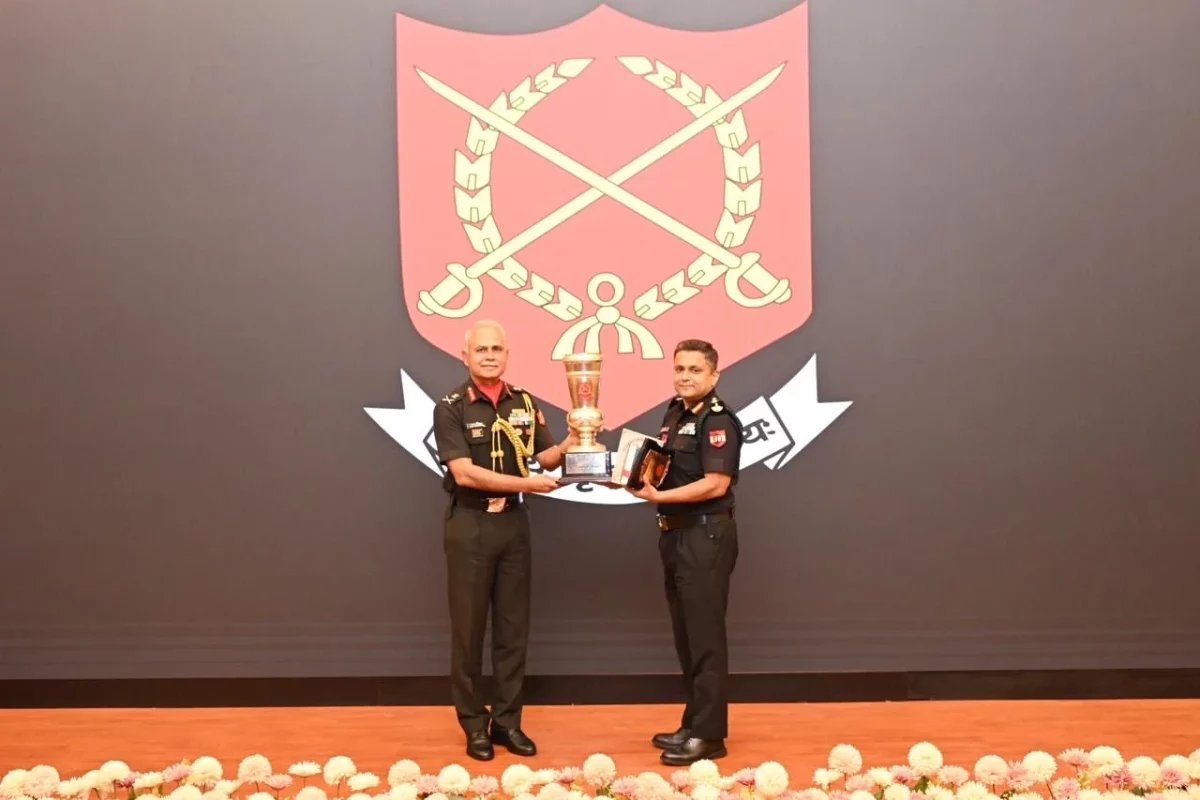
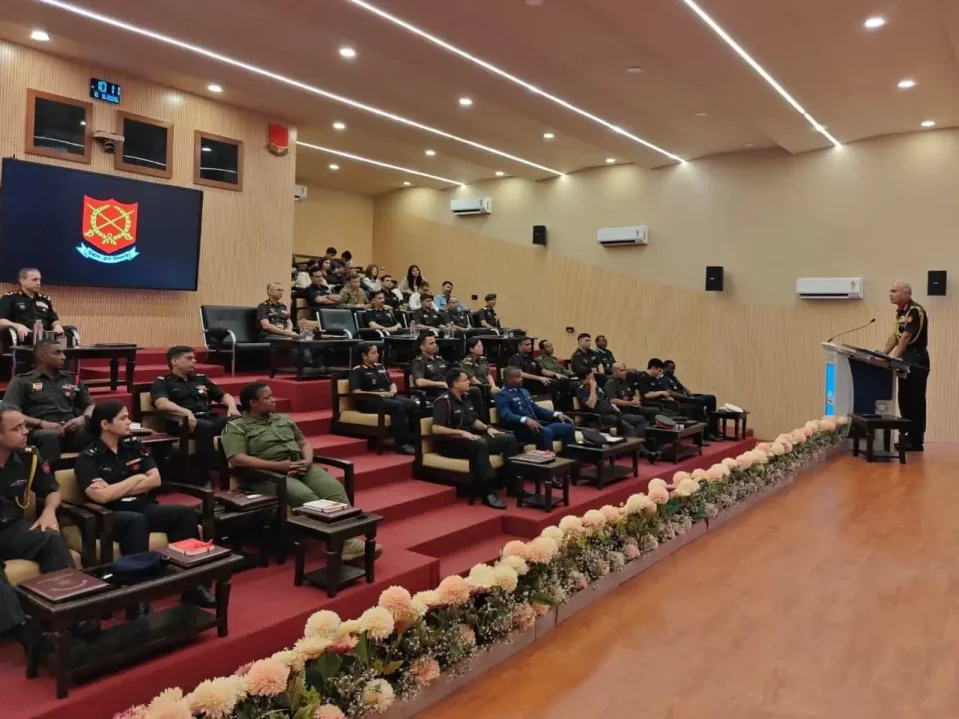
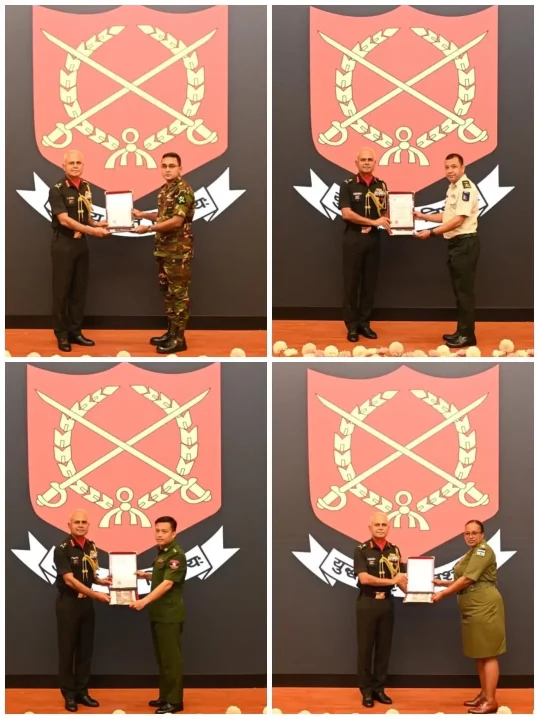
At the closing ceremony, the Commandant of the Army War College felicitated all participants for successfully completing the demanding course. He congratulated them on their commitment to professional excellence and encouraged them to apply the knowledge and skills acquired during the programme in their respective organisations and operational responsibilities.
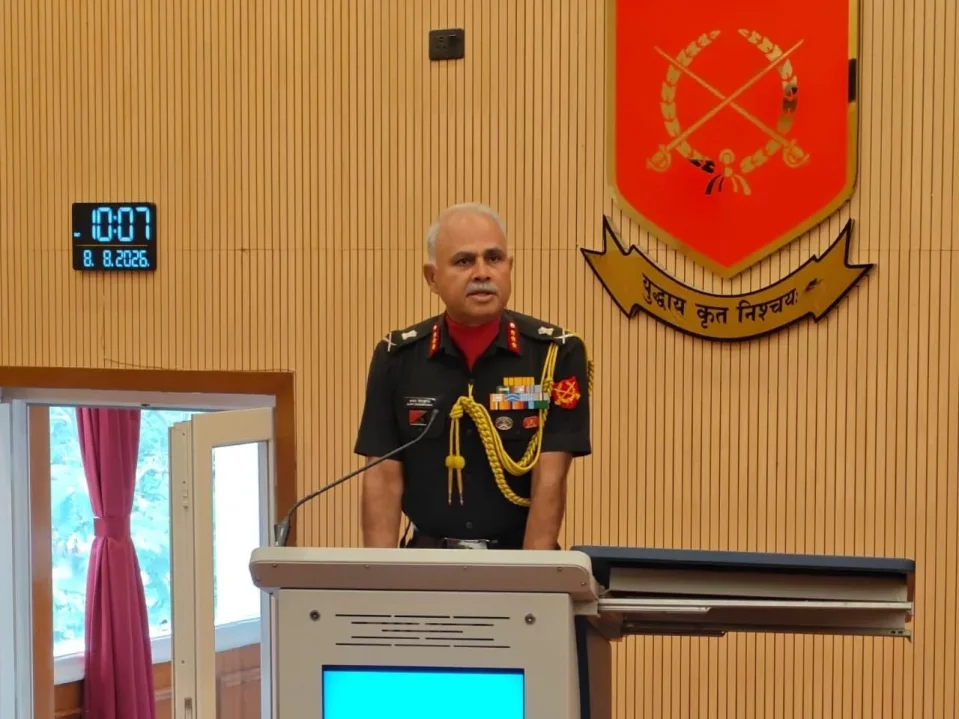
Addressing the participants, the Commandant emphasised that information warfare has emerged as a critical component of modern military strategy, requiring leaders to possess a comprehensive understanding of technological, psychological and communication dimensions alongside conventional warfighting capabilities. He expressed confidence that the officers and defence professionals would serve as empowered information warriors capable of addressing the complex challenges of the contemporary security environment.
The successful completion of the Information Warfare Course underscores the Indian Army’s continued emphasis on preparing its personnel for multi-domain operations by integrating emerging technologies, strategic communication and cognitive warfare into professional military education. It also reflects the Army’s commitment to developing future-ready leaders capable of operating effectively across the increasingly contested information domain.