

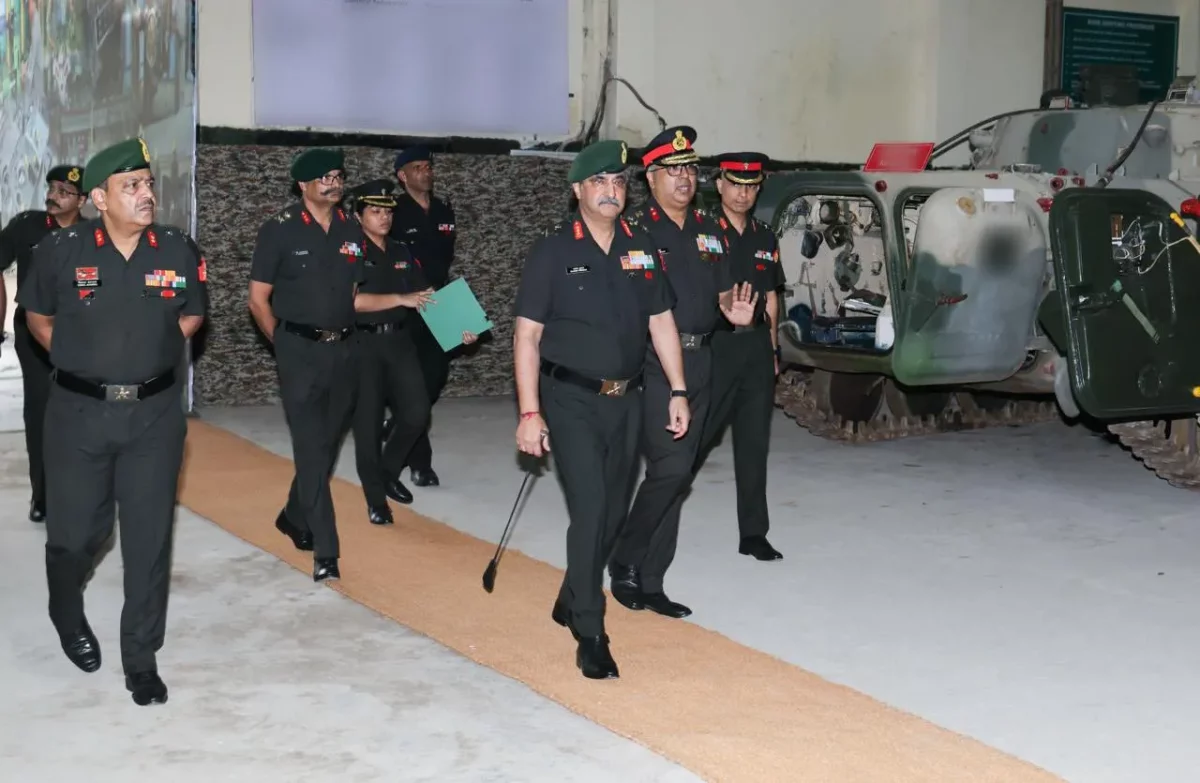
Lieutenant General Rajesh Pushkar, AVSM, VSM, General Officer Commanding-in-Chief of the Indian Army’s Southern Command, visited 512 Army Base Workshop to review key projects and initiatives aimed at strengthening the Army’s engineering, manufacturing and equipment-support capabilities.





During the visit, the Army Commander was briefed on ongoing projects at the workshop and assessed efforts being undertaken to strengthen core engineering capabilities, expand manufacturing capacity and incorporate industry best practices.
Lt Gen Rajesh Pushkar appreciated the personnel of 512 Army Base Workshop for their contribution towards improving indigenous technical capabilities and supporting the broader national objective of Atmanirbhar Bharat in the defence sector.
Army Base Workshops perform an important role in sustaining the Indian Army’s vast inventory of equipment. Their responsibilities traditionally include major repairs, overhaul, refurbishment, maintenance and technical support for complex military systems, helping ensure that equipment remains operationally available throughout its service life.
As the Indian Army modernises, these establishments are also increasingly important for developing indigenous engineering solutions, absorbing new technologies and improving the ability to manufacture or restore components domestically.
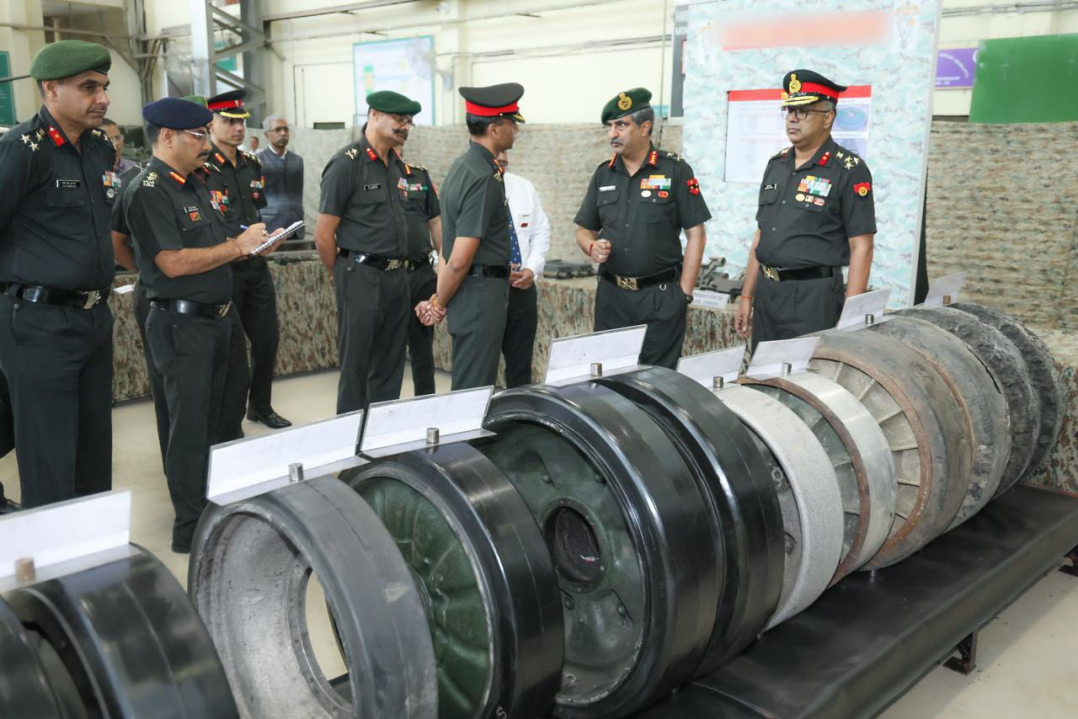
The Southern Army Commander’s visit highlighted this evolving role, with particular attention being paid to manufacturing capacity and the adoption of practices developed within the wider industrial ecosystem.
Closer cooperation between the military and industry can allow Army technical establishments to benefit from developments in advanced manufacturing, automation, digital engineering, quality control and modern production processes.
At the same time, operational experience accumulated by Army engineers can provide valuable feedback to industry about the performance of equipment under demanding field conditions. Such interaction can help improve existing systems and influence the development of future military equipment.
The visit therefore reinforced the Indian Army’s growing emphasis on civil-military fusion. This approach seeks to bring together expertise available within the Armed Forces, public and private industry, research institutions and the wider technology ecosystem to accelerate capability development.
Technology absorption was another important focus of the visit. Modern military equipment incorporates increasingly sophisticated electronics, sensors, software and other advanced systems, requiring maintenance organisations to continuously upgrade their technical expertise and infrastructure.
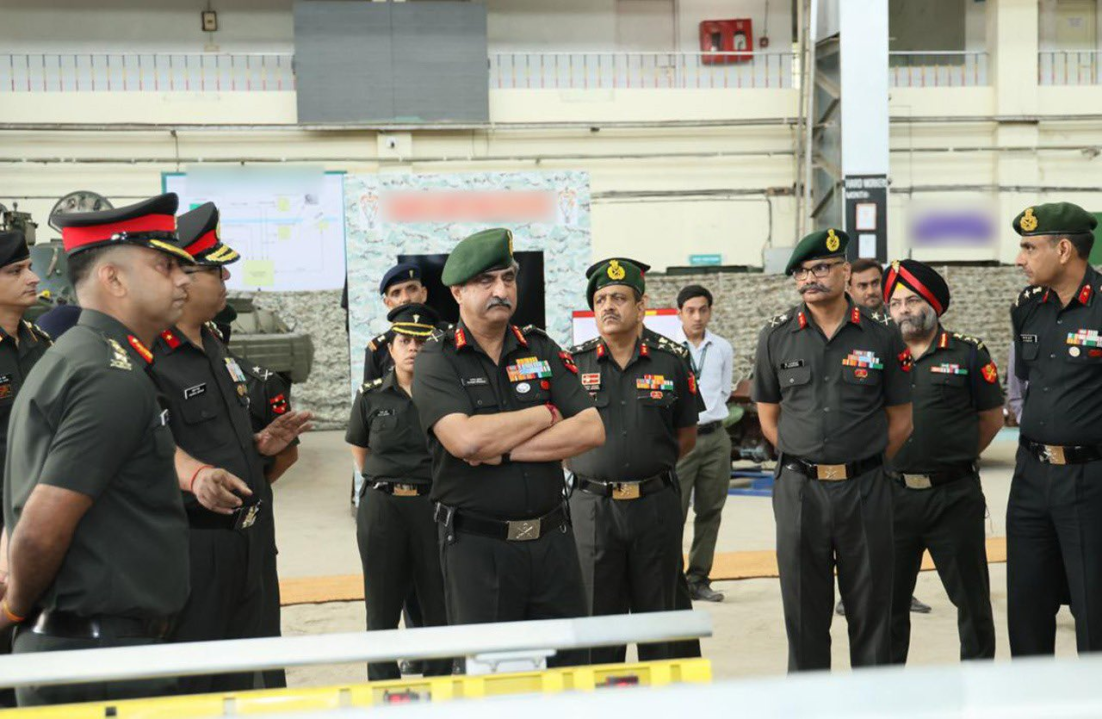
Building these capabilities within Army Base Workshops can reduce dependence on external support for selected maintenance and engineering requirements while improving turnaround times and equipment availability.
Strengthening domestic manufacturing capabilities can also help address challenges associated with maintaining older or specialised equipment for which components may become difficult to obtain. Where technically and operationally appropriate, indigenous manufacturing and engineering solutions can provide alternatives and extend the useful service life of critical systems.
Such capabilities become particularly important during prolonged operations or disruptions to global supply chains, when dependable access to spare parts, repairs and technical support can directly affect operational readiness.
The emphasis on Atmanirbhar Bharat during Lt Gen Rajesh Pushkar’s visit therefore extends beyond the procurement of newly manufactured Indian defence equipment. Self-reliance also requires the ability to maintain, repair, upgrade and support military platforms throughout their operational lives.
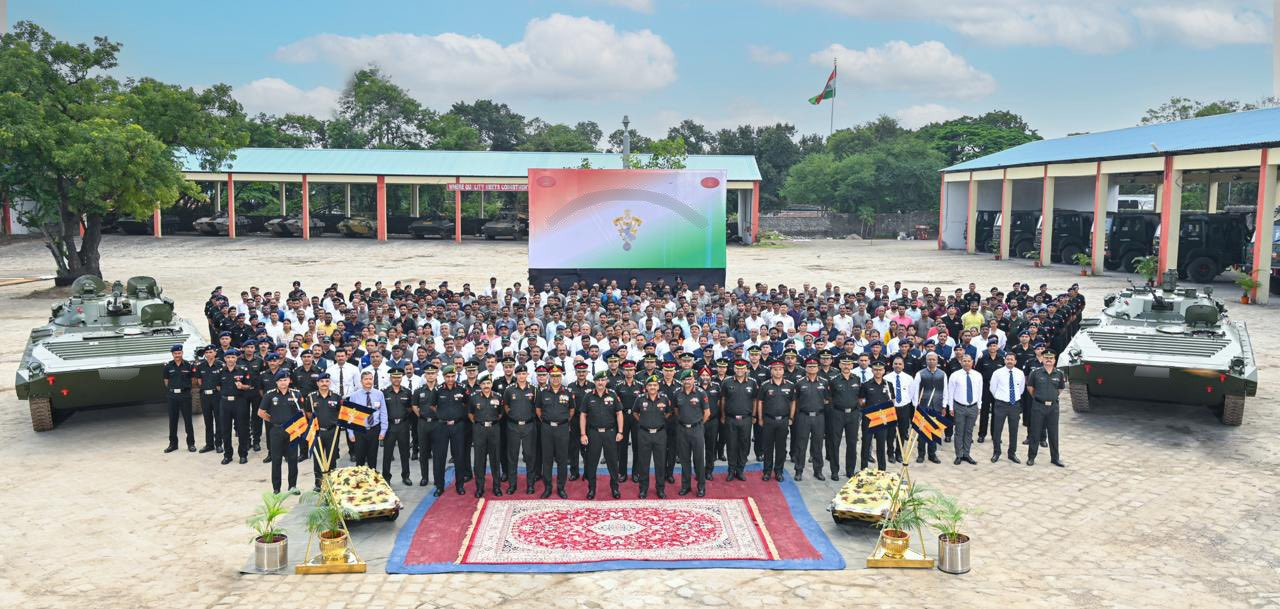
Army Base Workshops can play an important part in achieving this objective by combining their existing technical expertise with modern manufacturing processes and closer cooperation with India’s defence industry.
Lt Gen Rajesh Pushkar’s review of 512 Army Base Workshop highlighted the Indian Army’s continuing effort to transform its engineering and maintenance ecosystem alongside its broader modernisation programme.
By strengthening core engineering capabilities, enhancing manufacturing capacity, adopting industry best practices and accelerating technology absorption, the workshop is contributing towards a more resilient and self-reliant equipment-support system.
The visit ultimately underscored the Army’s focus on combining military engineering expertise with industrial capabilities to improve operational sustainability while advancing indigenous defence production and the wider vision of Atmanirbhar Bharat.