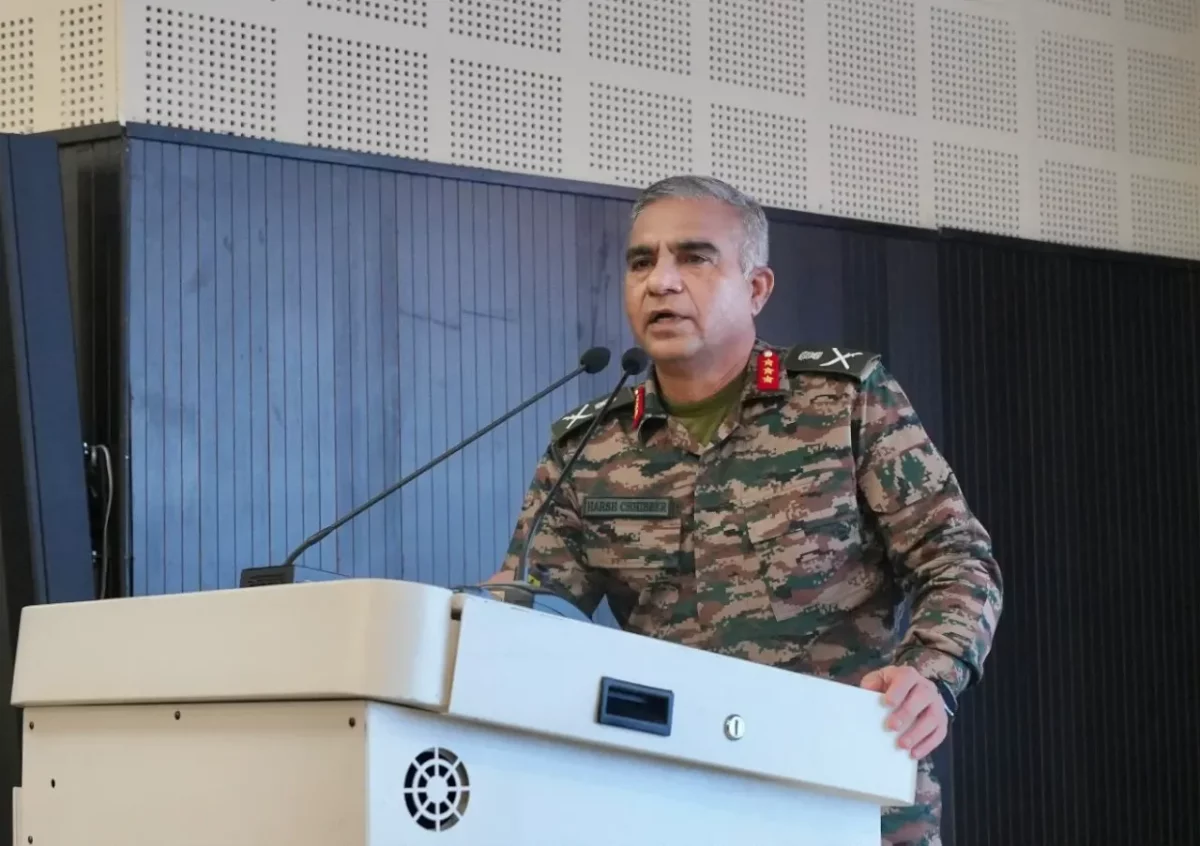
Lieutenant General Harsh Chhibber, AVSM, VSM, PhD, Director General of Information Systems, addressed personnel of Northern Command on the theme “Digital Transformation and AI Applications”, highlighting the growing importance of emerging technologies in enhancing the operational effectiveness of the Indian Army.





The interaction focused on initiatives aimed at developing an AI-enabled ecosystem for a future-ready Indian Army and ensuring its seamless adaptation across formations of Northern Command. The deliberations underscored the need to integrate technology, innovation and institutional synergy into military operations as the character of warfare continues to evolve.
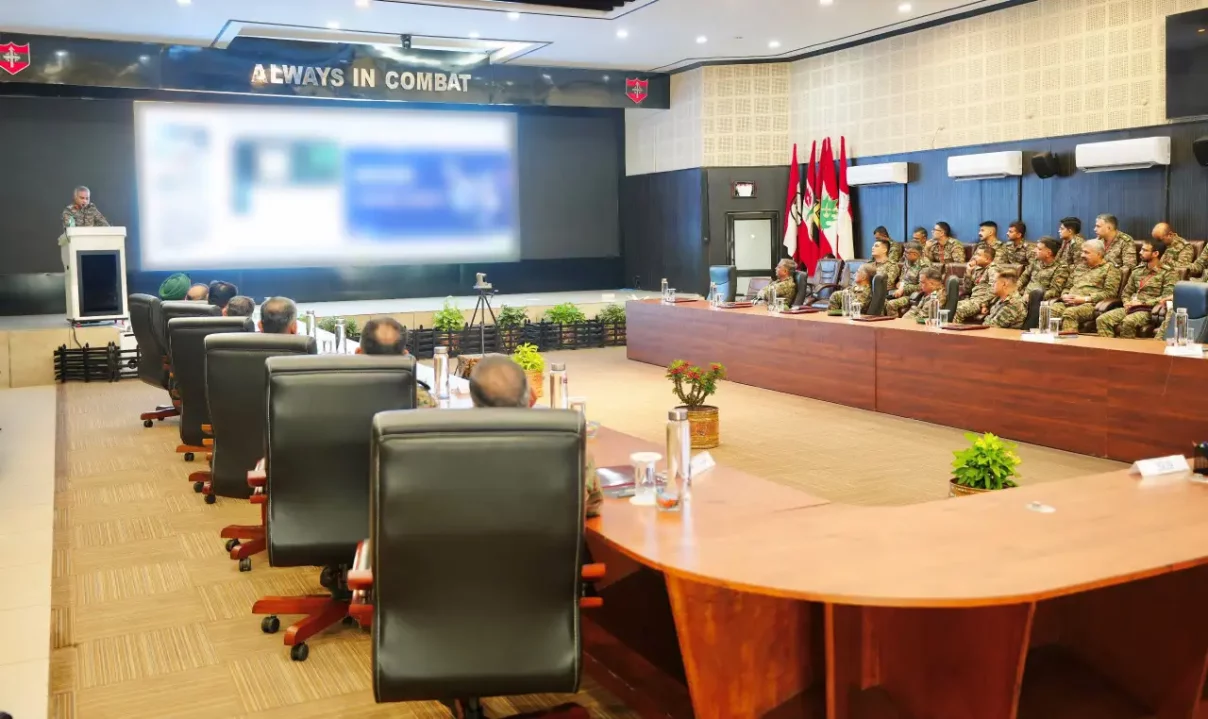
Artificial intelligence is increasingly becoming an important component of modern military transformation, with its potential applications extending across information processing, decision support, intelligence analysis, operational planning and other areas. For a large and geographically dispersed formation such as Northern Command, effective adoption of such technologies can help strengthen the ability of commanders and formations to respond to an increasingly complex security environment.
During the interaction, emphasis was placed on the need for seamless adaptation of AI-enabled capabilities across formations. The successful integration of emerging technologies into military structures requires not only technological development but also the ability of personnel at different levels to understand, employ and adapt these capabilities according to operational requirements.
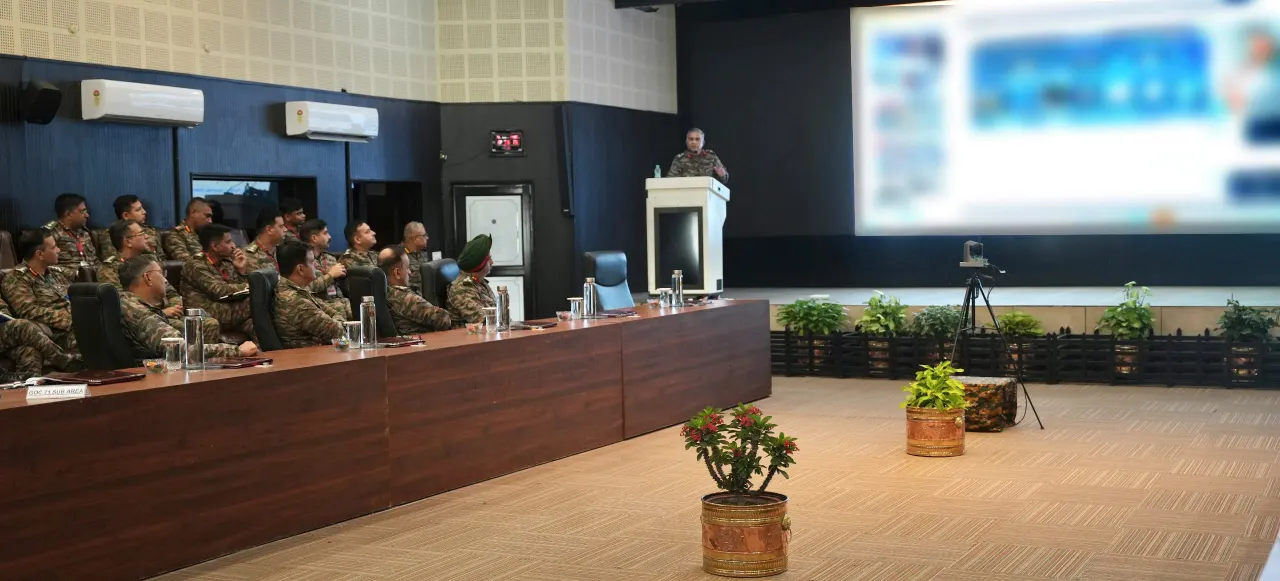
The focus on digital transformation also reflects the Indian Army’s broader effort to modernise its information architecture and develop a more technology-enabled force. Digital systems can facilitate faster information flow, improve connectivity between different levels of command and support more informed and timely decision-making.
For Northern Command, technological transformation assumes particular importance given the complexity of its operational environment and the need for sustained readiness. An AI-enabled ecosystem can potentially support commanders by improving the processing and exploitation of large volumes of information, while enabling greater integration of data and operational inputs.
However, technology adoption also depends heavily on human expertise. The interaction therefore highlighted the importance of fostering a culture that encourages innovation, technological absorption and synergy among formations and personnel. Such an approach can ensure that technology becomes an operational enabler rather than remaining confined to specialised technical domains.
Lt Gen Chhibber’s interaction with Northern Command also underlined the importance of developing future-ready military leadership capable of understanding emerging technological trends. Commanders and personnel will increasingly need to combine traditional military expertise with an appreciation of digital technologies and AI-driven capabilities.
The emphasis on innovation is particularly significant as militaries around the world seek to adapt to rapidly changing forms of warfare. Advances in artificial intelligence and other emerging technologies are altering the speed at which information can be processed, analysed and converted into operational decisions.
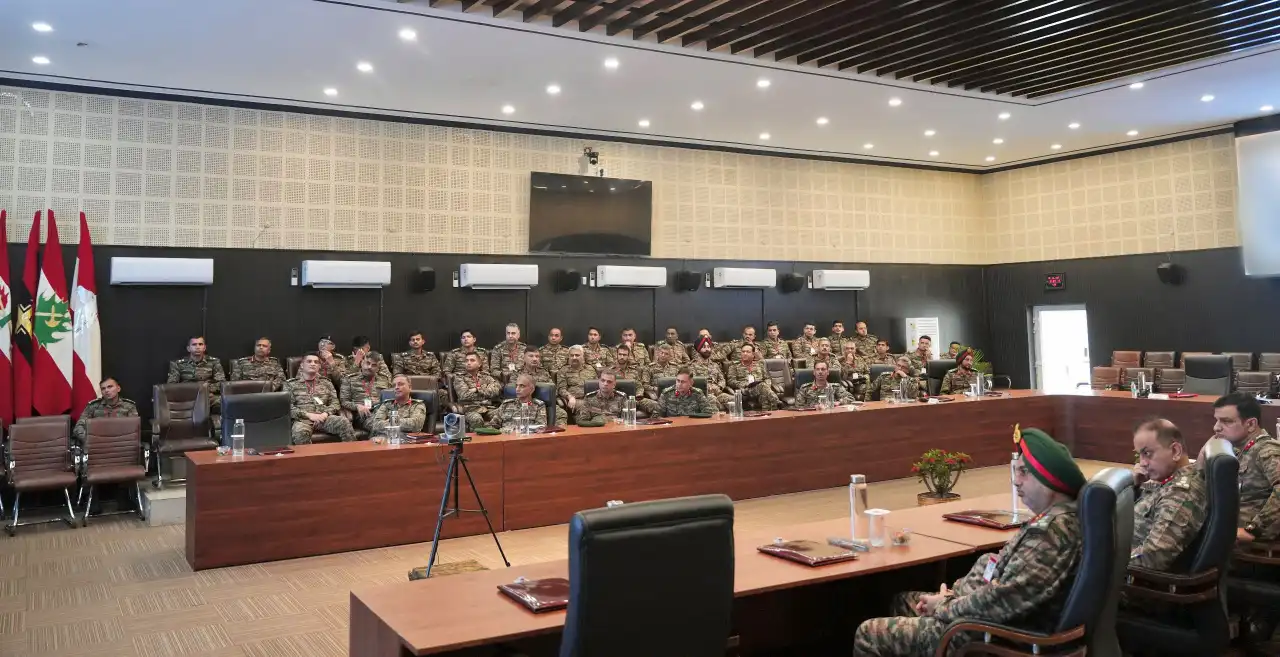
At the same time, seamless technology integration requires interoperability and coordination across formations. An ecosystem approach can help ensure that individual technological initiatives contribute to a broader operational architecture rather than functioning as isolated capabilities.
The deliberations also highlighted synergy as a critical component of digital transformation. Greater coordination between operational formations, technology specialists and other stakeholders can help identify battlefield requirements and develop solutions that are relevant to the Army’s evolving operational needs.
For the Indian Army, the objective is therefore not simply to introduce artificial intelligence but to build an ecosystem capable of absorbing and applying emerging technologies effectively. This involves developing appropriate systems, encouraging innovation and ensuring that personnel are equipped to employ new capabilities in realistic operational environments.
The interaction with Northern Command reinforced this approach, with technology, innovation and synergy emerging as important pillars of the Army’s efforts to maintain an operational edge.
As the security landscape becomes increasingly technology-intensive, the ability to adapt quickly to emerging capabilities will remain central to military preparedness. The initiatives discussed by the Director General of Information Systems underline the Indian Army’s continuing effort to build a digitally enabled and technologically agile force capable of meeting future operational challenges.
The engagement ultimately reaffirmed that digital transformation and artificial intelligence will play an increasingly important role in shaping the future-ready Indian Army, while effective human integration, innovation and inter-formation synergy will remain essential to converting technological potential into operational advantage.