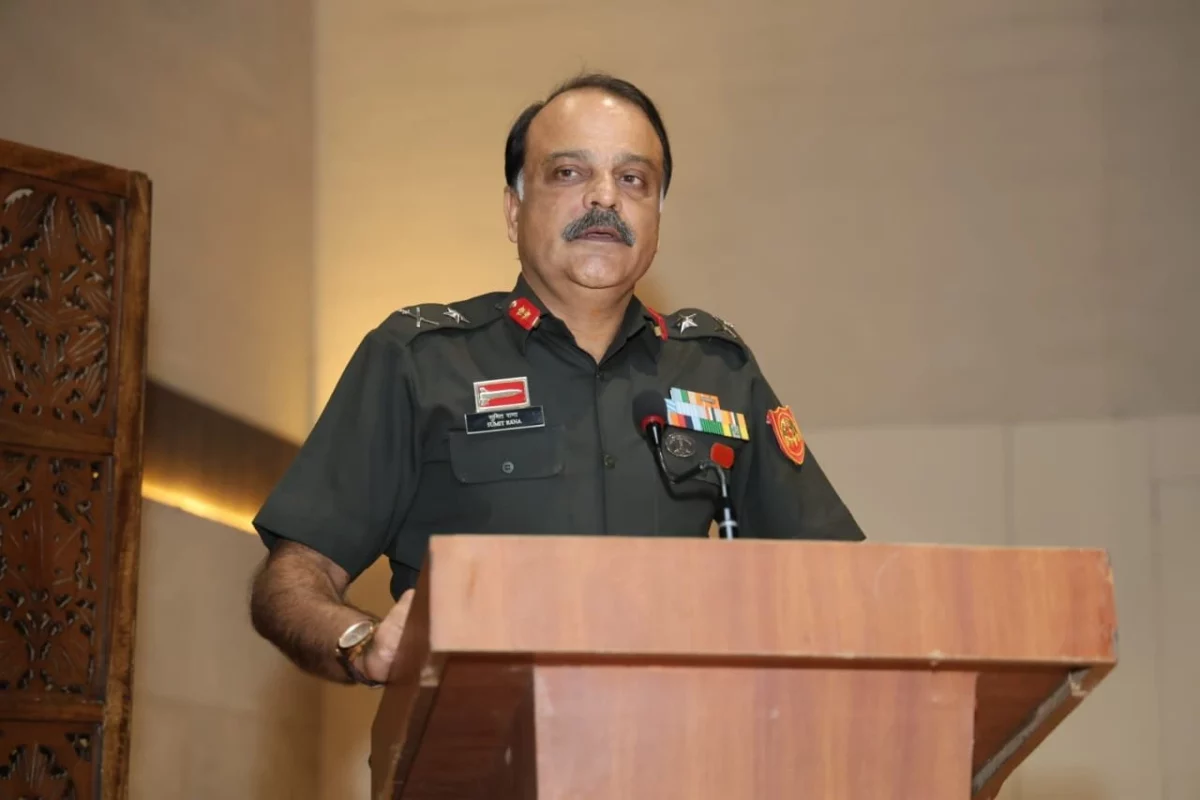
“History is not just remembered. It is a weapon.” This central message shaped the Meerut Military History Conclave 1.0, which brought together veterans, serving personnel, military professionals and members of academia at Wheeler Club, Meerut Cantt, under the aegis of Headquarters Pashchim UP Sub Area.





The conclave provided a platform for participants from diverse military and academic backgrounds to engage with India’s military history and examine its relevance to contemporary and future conflict. The discussions moved beyond remembering historical events, focusing instead on the lessons that can be derived from past campaigns and their relevance to military preparedness in the present and future.
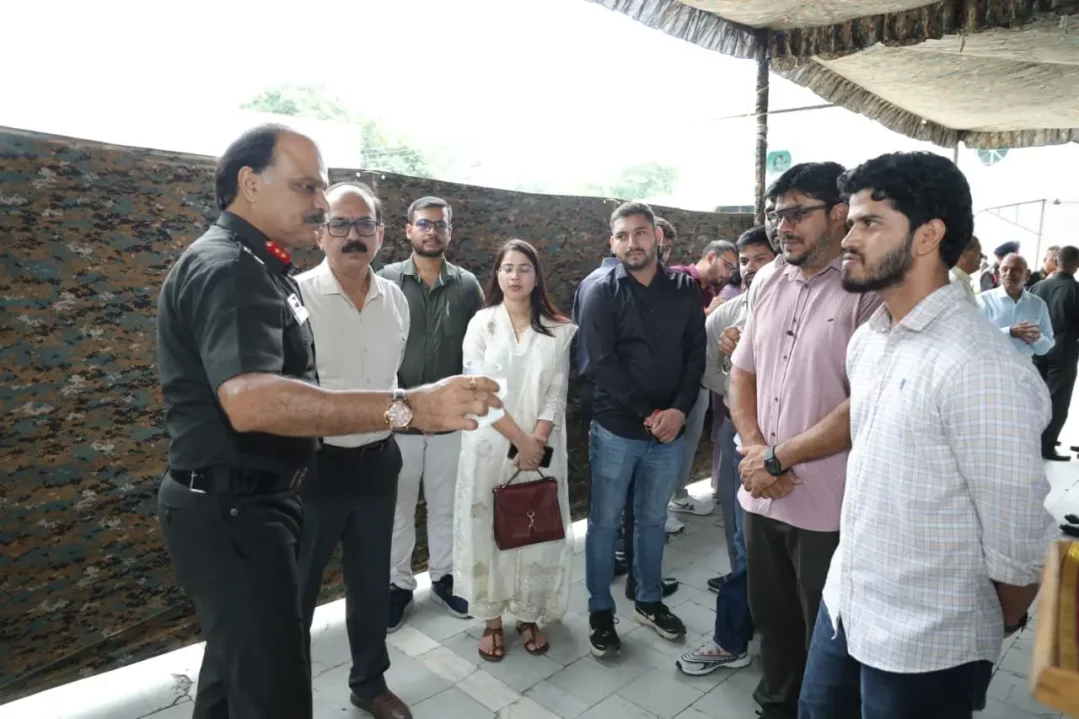
The 1857 Uprising formed one of the important historical themes of the conclave. The events of 1857 occupy a defining place in India’s military and national history, offering multiple perspectives on conflict, mobilisation, leadership, civil-military dynamics and the evolution of resistance. Examining such episodes provides an opportunity to understand how military events are shaped by the broader political, social and economic environment in which they occur.
The conclave also turned attention to India’s First War of Independence period of 1947–48, highlighting another important chapter in the country’s military history. The 1947–48 conflict represented a formative period for independent India’s armed forces, requiring military leadership and operational responses during a period of major national transformation.
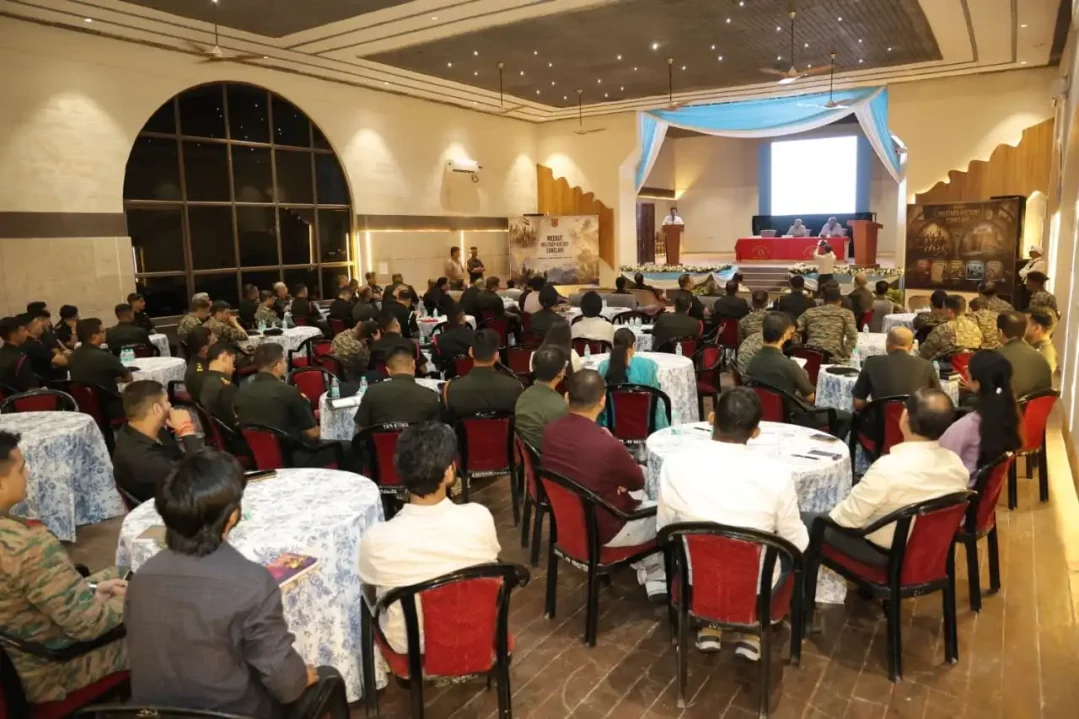
By bringing historical episodes into a contemporary professional discussion, the conclave reinforced the importance of institutional memory within the armed forces. Understanding earlier conflicts can help military professionals examine decision-making, operational challenges, leadership approaches and the consequences of strategic choices made under pressure.
The discussions also expanded beyond battlefield history to examine the Economics of War. Modern conflicts are not determined solely by battlefield capabilities. Sustaining military operations requires resources, industrial capacity, logistics, infrastructure and economic resilience. The inclusion of economic dimensions therefore broadened the discussion from the conduct of war to the wider national capacity required to sustain prolonged conflict.
Another major theme was the Future of Land Warfare. The subject assumes increasing relevance as armies worldwide adapt to technological change and new forms of military competition. Contemporary battlefields are being influenced by rapid technological development, changing operational concepts and increasingly complex security environments.
The discussion on future warfare also reinforced the need for military institutions to look beyond immediate operational requirements. Preparing for future conflict requires understanding how technology, doctrine, economics, geography and human factors interact and how lessons from previous wars can inform preparation for emerging challenges.
The participation of veterans added the perspective of military experience to the conclave, while serving personnel brought contemporary operational understanding. Military professionals and academics contributed additional perspectives, creating a forum where historical study could be connected with professional military thought.
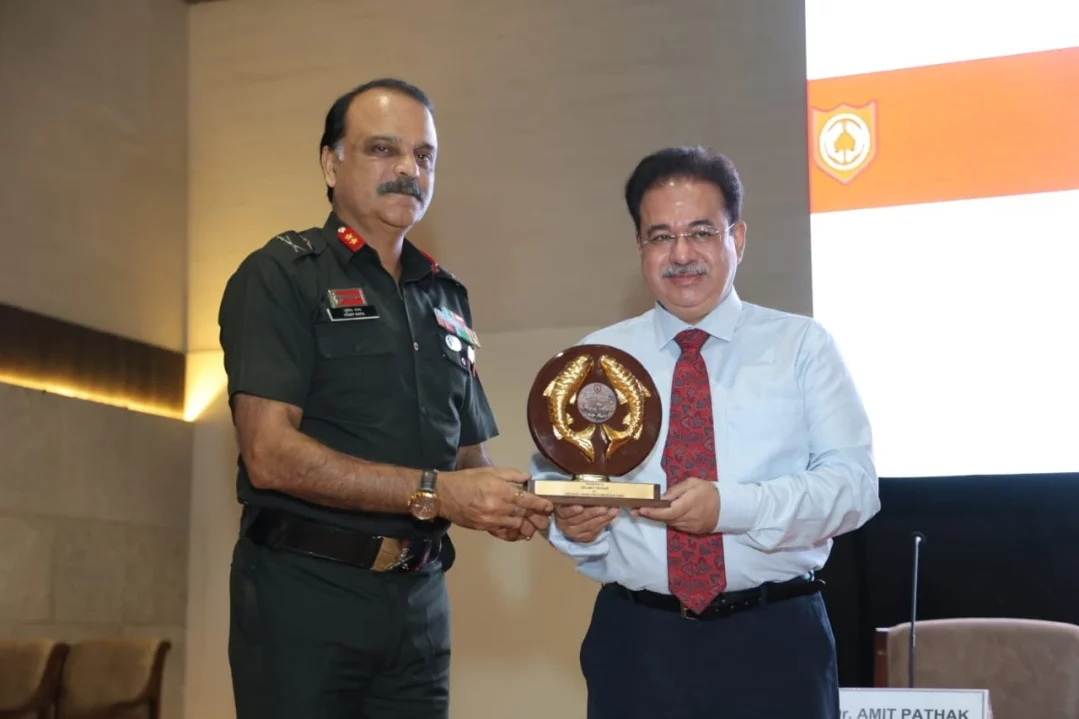
Such interaction is particularly valuable because military history is most useful when it goes beyond commemoration. Historical study can help commanders and military professionals critically examine why campaigns unfolded in particular ways, how adversaries adapted and how decisions made during previous conflicts produced operational consequences.
The conclave’s central message was therefore straightforward: know the past, think beyond the present and prepare for the next conflict. The approach places military history within the broader framework of professional military education and operational preparedness.
The 1857 Uprising, the 1947–48 war, the economics underpinning conflict and the future of land warfare may represent different areas of study, but together they demonstrate the breadth required for understanding war. Military professionals must be able to connect historical experience with contemporary realities and anticipate how future battlefields could evolve.
For the Indian Army, initiatives that encourage structured engagement with military history can contribute to developing a deeper culture of professional study and reflection. Historical awareness can strengthen understanding of India’s military heritage while encouraging personnel to critically assess lessons that remain relevant to modern operations.
The Meerut Military History Conclave 1.0 thus served as more than a gathering to revisit important chapters of India’s military past. It created a forum for connecting history with strategy, professional military thought and future preparedness.
By bringing veterans, serving personnel, military professionals and academia together under the aegis of HQ Pashchim UP Sub Area, the conclave highlighted the continuing value of dialogue across generations and disciplines. Its underlying message was that understanding previous conflicts is not merely an exercise in remembrance but an essential component of preparing for those yet to come.
As warfare continues to evolve, the ability to study history critically and apply its lessons will remain an important element of military preparedness. The Meerut Military History Conclave 1.0 reinforced that perspective by placing India’s military heritage alongside contemporary strategic questions and the future of land warfare, underlining that the best preparation for tomorrow’s conflict often begins with a deeper understanding of yesterday’s.