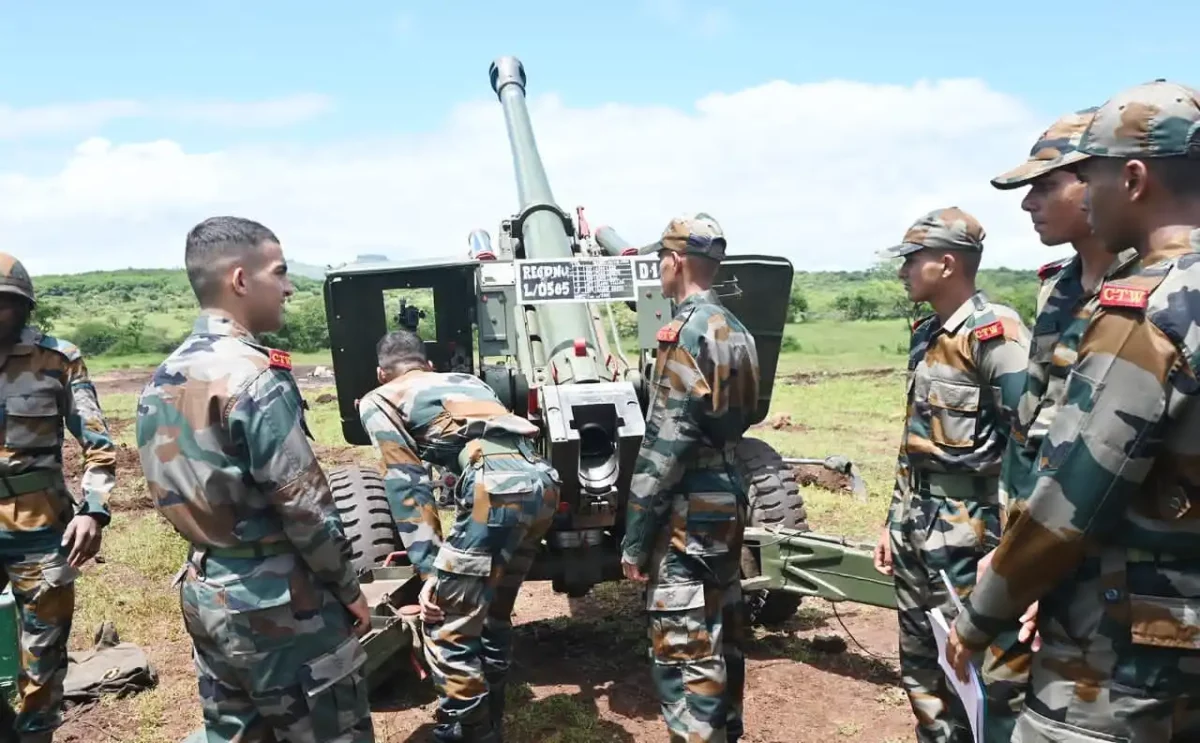
Officer Cadets undergoing training at the Cadets Training Wing of the Military College of Electronics and Mechanical Engineering (MCEME), Secunderabad, visited the School of Artillery on September 16, 2026, as part of their professional training and exposure to the operational capabilities of the Regiment of Artillery.





The visit provided the officer cadets with an opportunity to gain first-hand insights into the role and capabilities of the Regiment of Artillery and understand how modern artillery systems, surveillance technologies and emerging unmanned capabilities are being integrated into contemporary military operations.
During the visit, the cadets were briefed on the latest in-service artillery guns and surveillance systems employed by the Indian Army. The interaction enabled them to familiarise themselves with the technological and operational aspects of artillery systems and understand their contribution to battlefield firepower.
Artillery remains a key component of land warfare, providing commanders with the ability to deliver concentrated firepower against targets at varying ranges. The effectiveness of modern artillery operations increasingly depends not only on the guns themselves but also on surveillance, target acquisition, communication and fire-control systems that enable accurate and timely engagement.
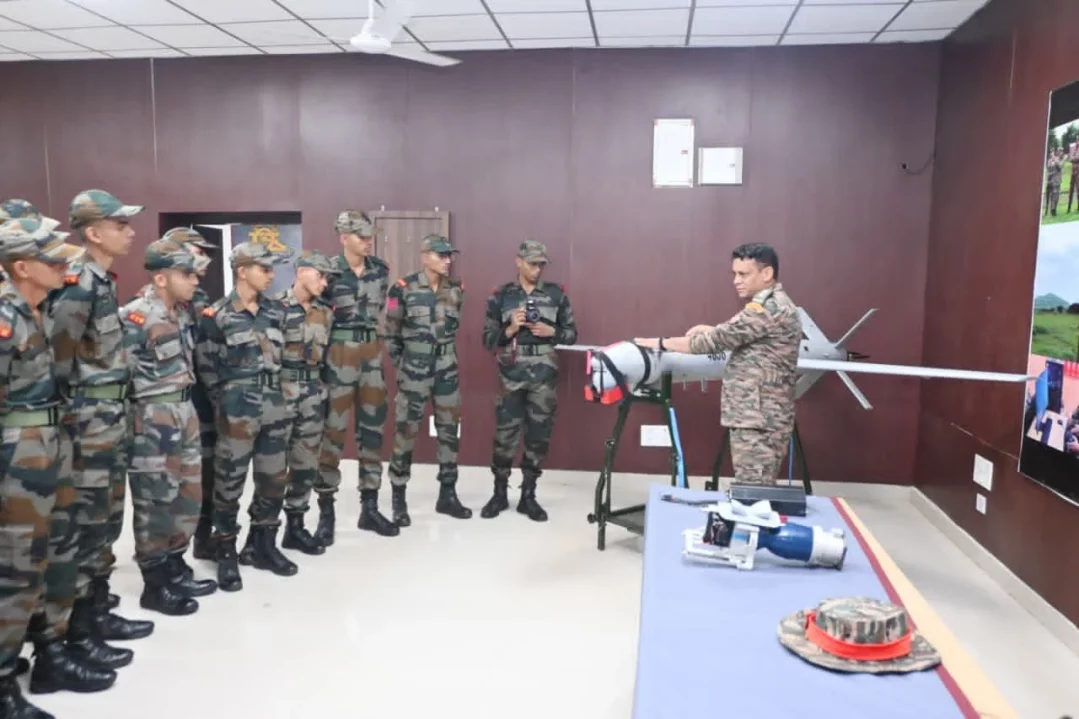
The officer cadets were also given exposure to niche drone warfare capabilities being honed within the Regiment of Artillery. The inclusion of drone-related capabilities in their training exposure reflects the growing importance of unmanned systems in contemporary battlefields.
Drones can support a range of military functions, including surveillance, reconnaissance and target-related activities. Their increasing presence in modern conflicts has also resulted in greater emphasis on developing specialised capabilities to integrate unmanned systems into conventional military operations.
The cadets’ exposure to these capabilities provided an understanding of how traditional artillery firepower is being complemented by newer technologies. The combination of surveillance and unmanned systems with artillery assets can contribute to the broader process of identifying, tracking and engaging targets.
A major component of the visit was a live firing exercise conducted at the School of Artillery. The officer cadets witnessed the firing exercise first-hand, allowing them to observe the practical execution of artillery fire and understand the processes involved in delivering firepower onto a designated target.
The live firing demonstration provided an opportunity to connect theoretical knowledge with actual battlefield procedures. Observing the firing sequence enabled the cadets to appreciate the coordination and precision required to deliver artillery fire effectively.
For officer cadets undergoing technical and military training, such exposure is particularly significant as it demonstrates how different military capabilities come together during operations. Artillery effectiveness depends on a coordinated chain involving surveillance, target identification, fire planning, communication and weapon employment.
The visit to the School of Artillery also complemented the technical orientation of the cadets’ training at MCEME. As future military officers, exposure to different arms and services can help cadets develop a broader understanding of how specialised capabilities contribute to overall operational effectiveness.
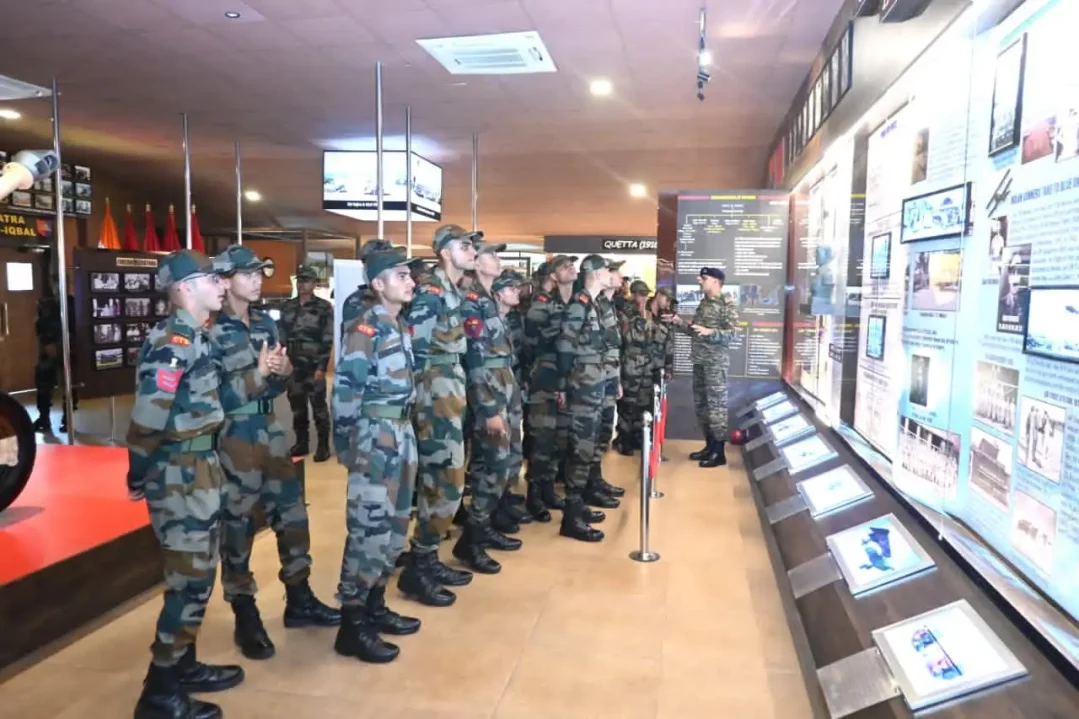
The School of Artillery is a premier Indian Army institution associated with the training and professional development of artillery personnel. Its role includes imparting specialised knowledge and practical exposure related to artillery systems and their employment.
The Regiment of Artillery has also been adapting to the changing technological character of warfare. Alongside conventional artillery guns, modern surveillance systems, digital technologies and unmanned platforms are increasingly becoming part of the broader firepower ecosystem.
The cadets’ briefing on the latest in-service guns and surveillance systems therefore provided them with an overview of both established and evolving elements of artillery operations.
The exposure to drone warfare capabilities was another important aspect of the programme. As unmanned systems become increasingly relevant to battlefield surveillance and targeting, understanding their potential applications is becoming important for officers across different branches of the Armed Forces.
The live firing exercise further demonstrated the operational application of artillery firepower. For the cadets, witnessing the engagement of a target provided practical insight into the speed, coordination and accuracy required in the employment of artillery systems.
Such training visits are intended to supplement formal instruction with direct exposure to operational equipment and military procedures. They also provide cadets with an opportunity to interact with specialised institutions and understand the professional roles performed by different arms of the Army.
The September 16 visit consequently brought together three important elements of contemporary artillery operations: modern weapon systems, surveillance and emerging drone warfare capabilities. The live firing component added a practical dimension to the experience by demonstrating the delivery of firepower against a target.
The programme also highlighted the evolving nature of military training, where traditional combat capabilities are increasingly being integrated with advanced technologies. For future officers, familiarity with these developments can contribute to a broader understanding of the changing battlefield environment.
The visit by the MCEME officer cadets to the School of Artillery thus served as an important professional exposure programme. Through briefings, demonstrations and live firing, the cadets gained insight into the operational capabilities of the Regiment of Artillery and the technological developments shaping modern firepower.