

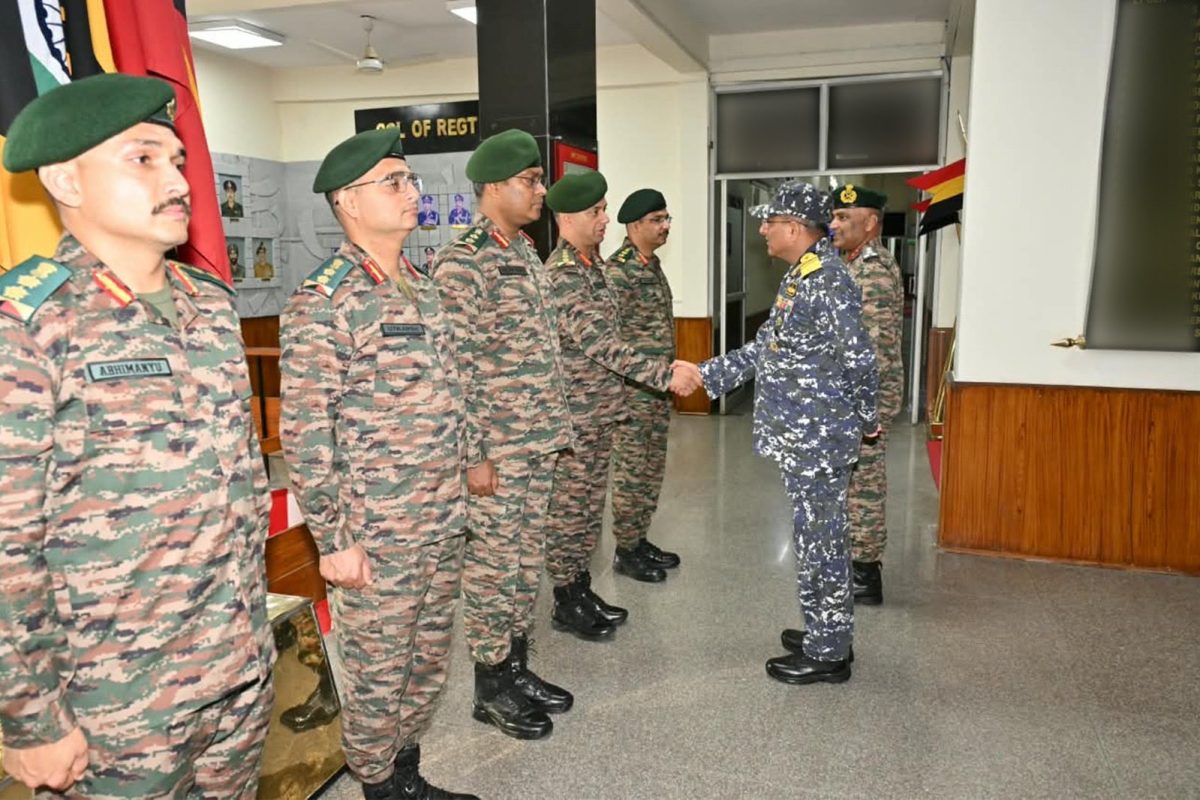
Vice Admiral Anil Jaggi, AVSM, Commandant of the National Defence Academy (NDA), visited the Mechanised Infantry Centre and School in Ahilyanagar, gaining insights into modern mechanised operations, niche technologies and evolving training methodologies.





The visit provided the NDA Commandant an opportunity to familiarise himself with the operational and training environment of one of the Indian Army’s specialised establishments dedicated to mechanised infantry. The interaction focused on the changing requirements of modern mechanised warfare and the importance of preparing personnel to operate effectively in increasingly technology-driven battlefields.
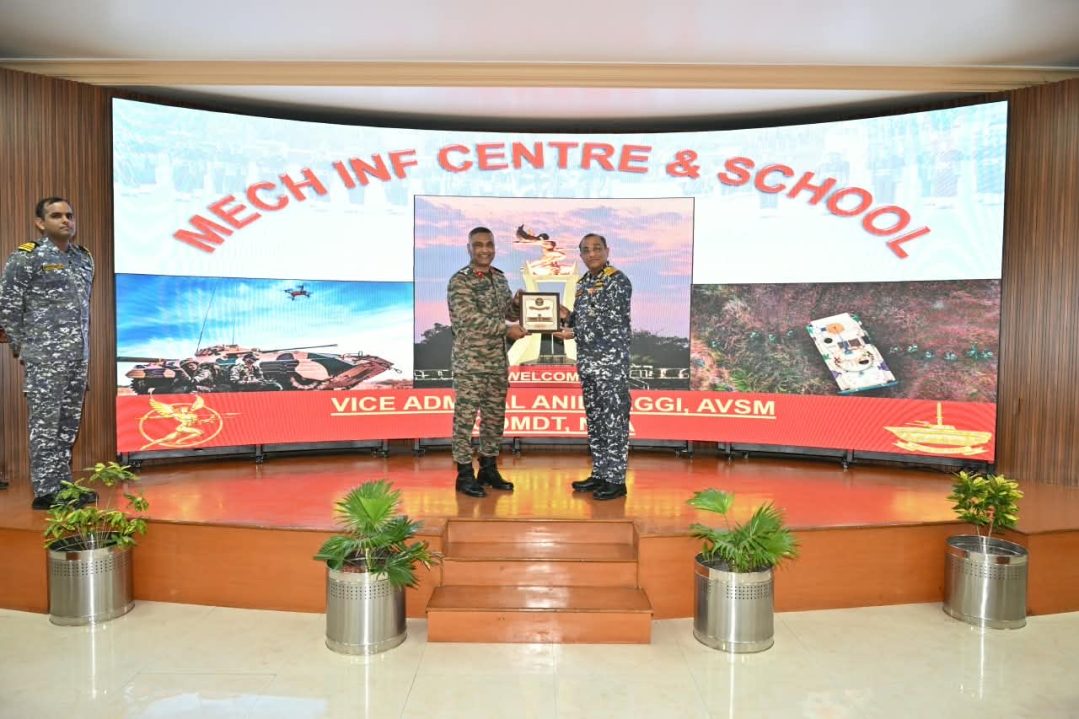
Modern mechanised operations combine mobility, firepower, protection and rapid manoeuvre, requiring troops to operate sophisticated platforms while maintaining tactical flexibility. The evolving character of warfare has also increased the importance of specialised technologies and innovative approaches to training.
During the visit, Vice Admiral Jaggi gained insights into niche technologies being incorporated into mechanised operations. Such technologies are increasingly relevant as military forces seek to enhance battlefield awareness, mobility, survivability and operational effectiveness.
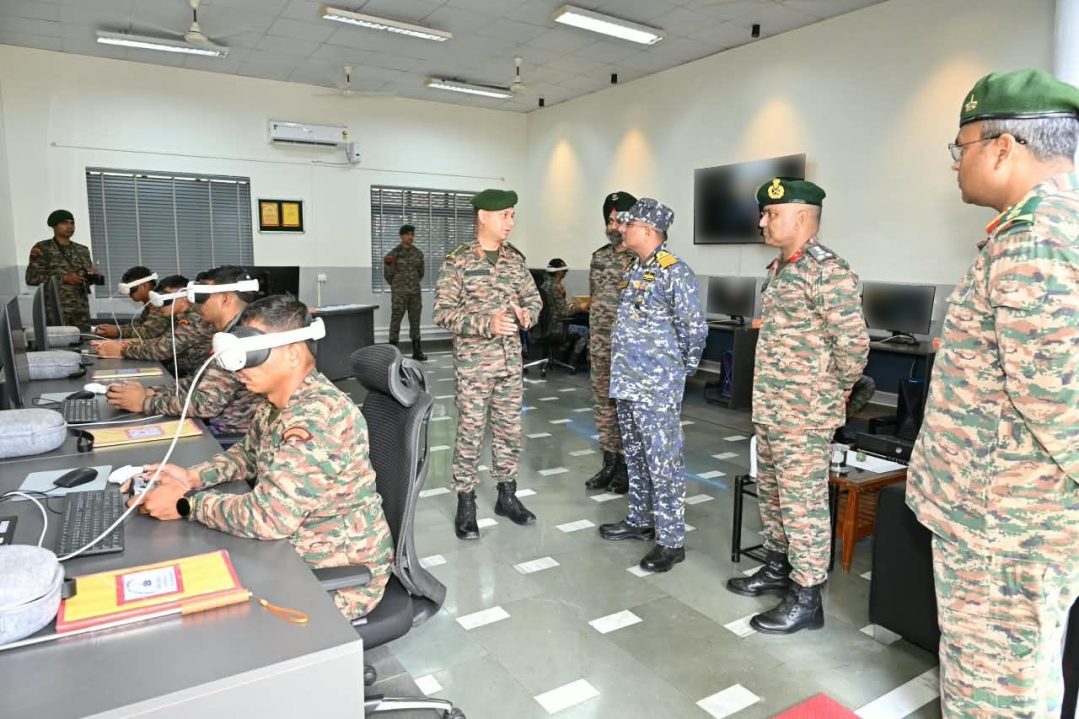
The visit also focused on evolving training methodologies. As military technology advances, training institutions must continually adapt their methods to ensure that personnel are able to effectively understand, operate and exploit modern systems. This requires a combination of practical training, technological exposure, tactical understanding and continuous professional development.
The interaction assumes significance from the perspective of future military leadership as well. As Commandant of the NDA, Vice Admiral Jaggi is responsible for the training and development of future officers who will eventually serve across India’s three armed services. Exposure to specialised operational establishments provides valuable perspective on the capabilities and requirements that future leaders will encounter during their careers.
The visit therefore reflects the importance of linking pre-commission training with the realities of modern military operations. Familiarity with contemporary technologies, joint operational requirements and specialised capabilities can help future commanders develop a broader understanding of the changing security environment.
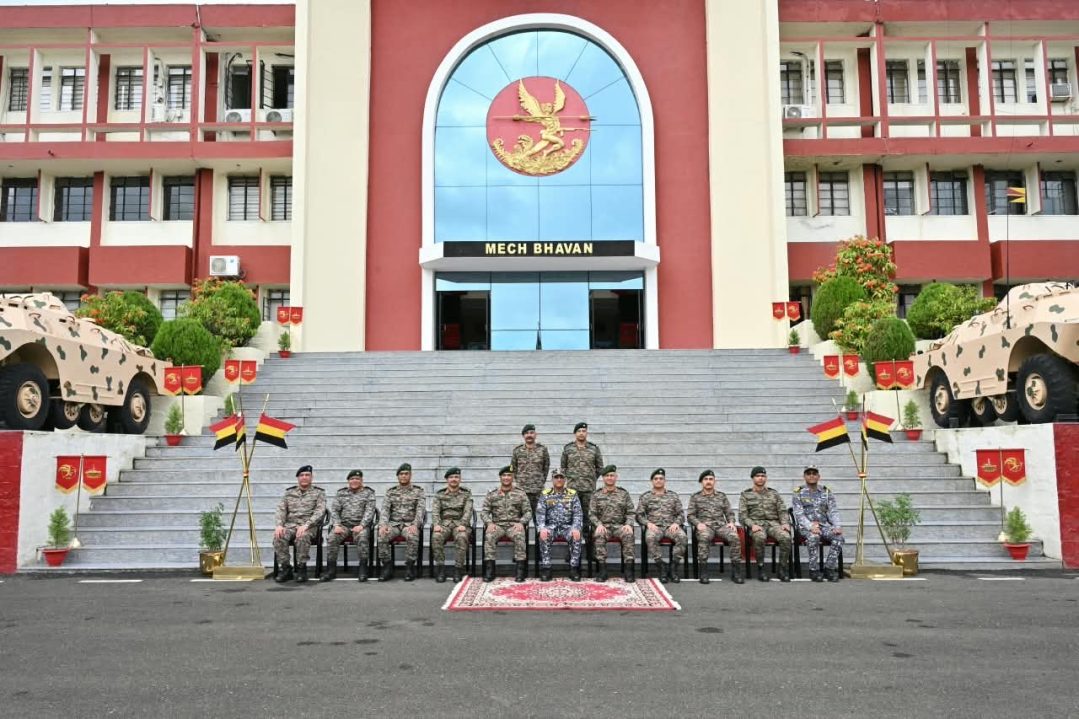
The emphasis on “Future Leaders. Future-Ready Forces.” also highlights the relationship between leadership development and technological transformation. Future military leaders will need to combine traditional military skills with an understanding of emerging technologies and evolving operational concepts.
Mechanised infantry remains an important component of land warfare, providing formations with protected mobility and the ability to operate alongside armoured forces. Training establishments such as the Mechanised Infantry Centre and School play an important role in developing the skills required to employ these capabilities effectively.
The visit also underlined the value of interaction between senior leaders and specialised military training institutions. Such engagements provide opportunities to understand ongoing developments, exchange professional perspectives and identify areas where training and operational requirements are evolving.
As the Indian Armed Forces continue to move towards greater technological integration and jointness, exposure to diverse operational capabilities becomes increasingly important for future commanders. The NDA’s engagement with specialised Army establishments contributes to this broader objective of developing officers capable of adapting to complex and technology-intensive operational environments.
Vice Admiral Anil Jaggi’s visit to the Mechanised Infantry Centre and School thus provided insights into modern mechanised operations, niche technologies and contemporary training approaches. It reinforced the importance of continuous adaptation in military training and leadership development as the Armed Forces prepare for the demands of future warfare.