

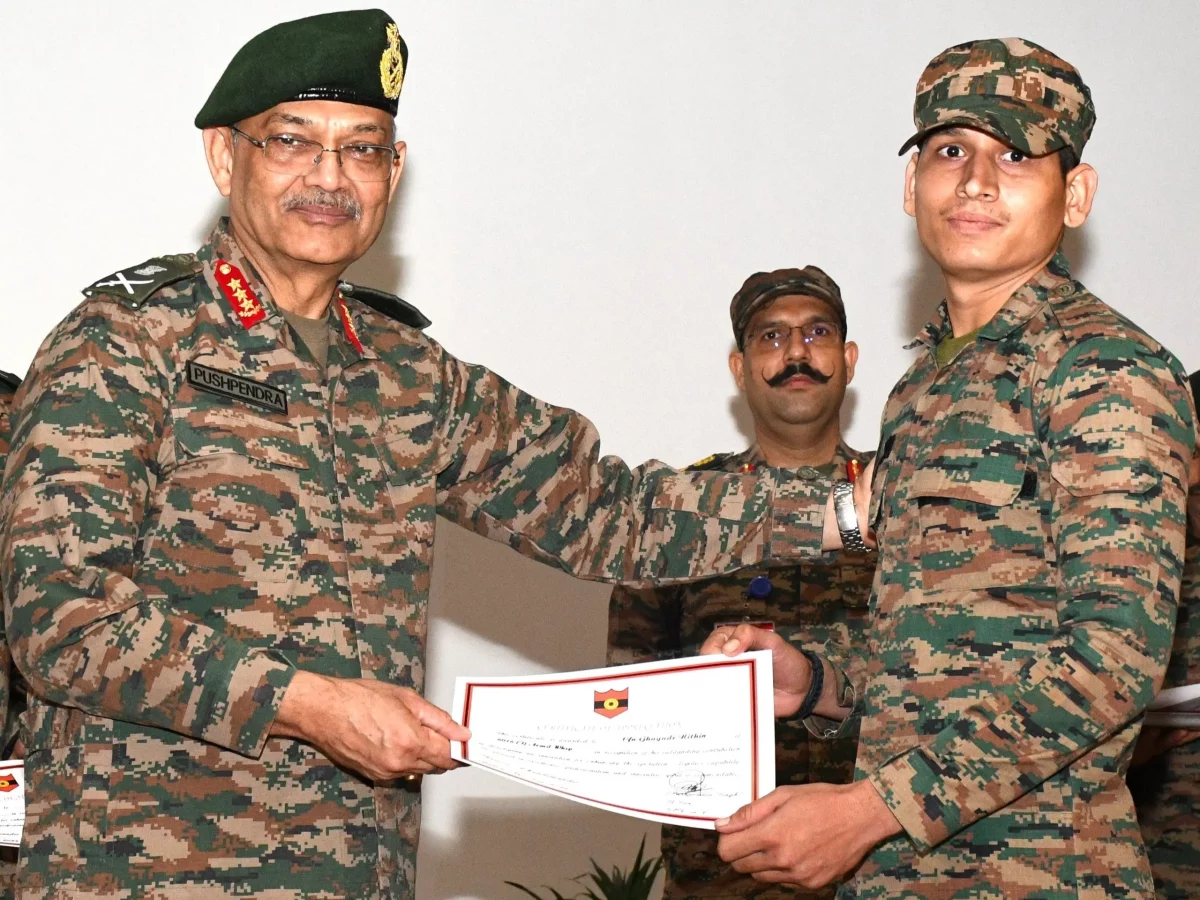
In a major push towards technology-driven military transformation, the Indian Army’s Western Command conducted the Ideas & Innovation Competition 2026 at Chandimandir, providing a platform for soldiers and young techno-commanders to showcase innovative solutions aimed at addressing contemporary battlefield requirements.
The competition saw Chakra Warriors of Western Command demonstrate their technological prowess through 17 field-oriented and cost-effective innovations. The soldier-led initiatives were focused on practical operational challenges, reflecting an effort to translate ideas emerging from the field into tangible capabilities that can enhance the effectiveness and preparedness of troops.
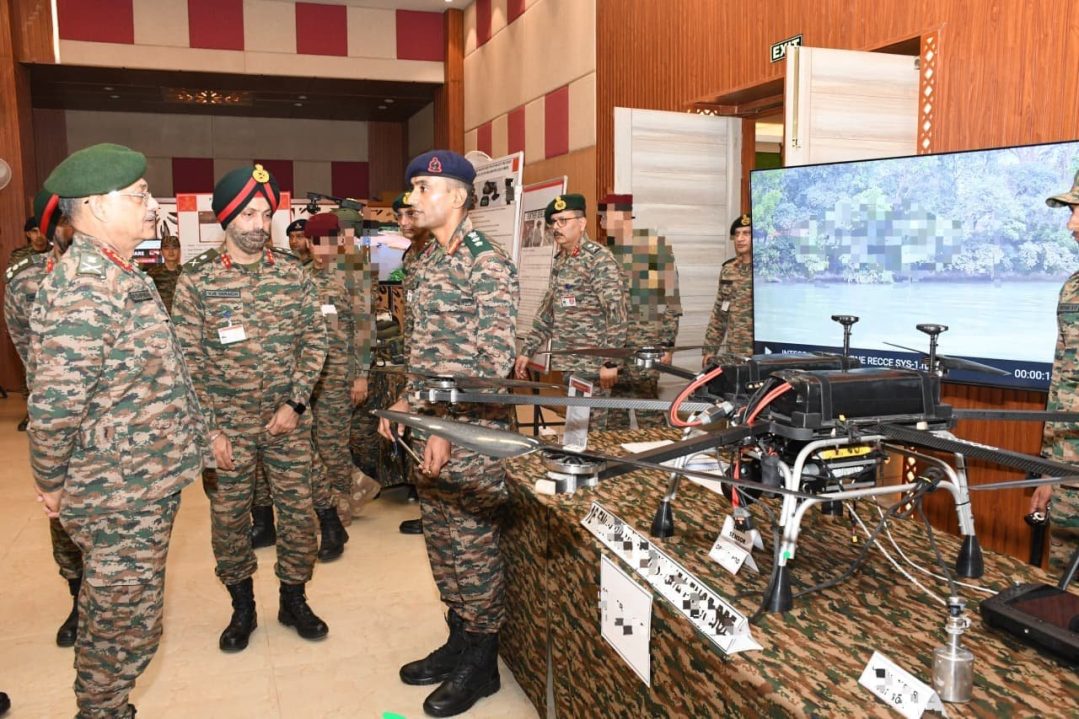
The event comes at a time when warfare is undergoing rapid technological transformation, with emerging technologies increasingly influencing battlefield awareness, mobility, precision, survivability, communications and decision-making. Against this backdrop, encouraging soldiers to identify operational problems and develop practical solutions has become an important element of building a future-ready force.
Lt Gen Pushpendra Singh, AVSM, SM**, Army Commander, Western Command, felicitated the innovators and participants during the event. Interacting with the participants, he exhorted techno-commanders and future military leaders to nurture a culture of inquisitiveness, technological absorption, critical thinking and problem-solving within the Army.
The emphasis on inquisitiveness and critical thinking reflects the changing demands placed on military leadership. Future commanders are expected not only to employ existing systems effectively but also to identify capability gaps, understand emerging technologies and adapt solutions to evolving operational circumstances.
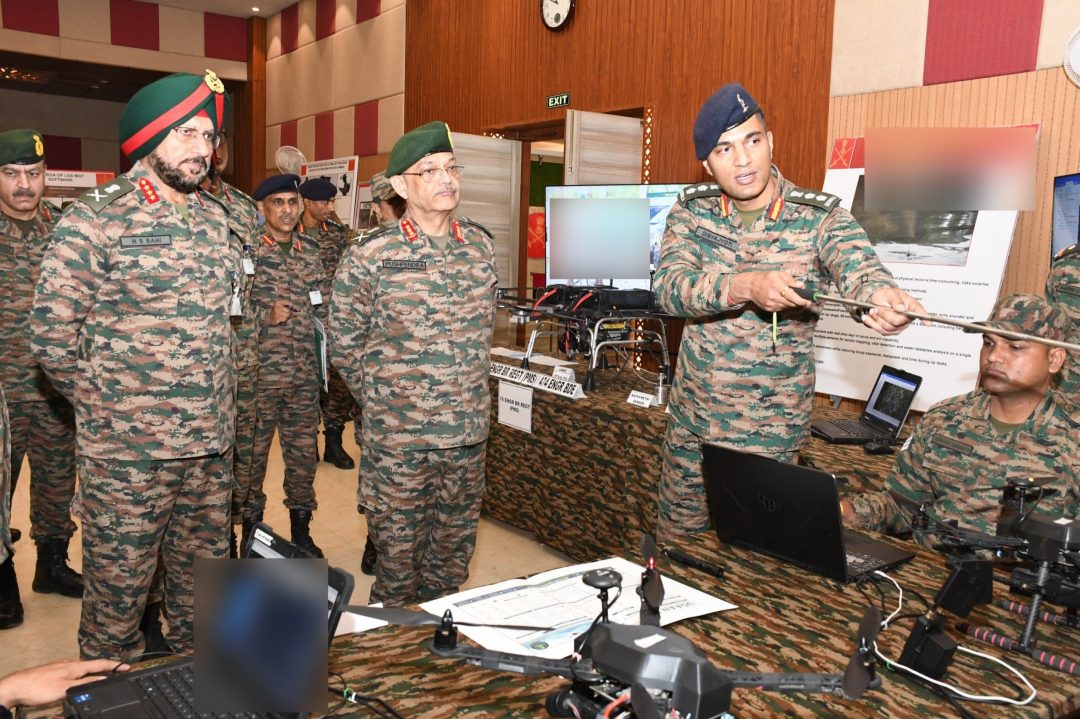
The 17 innovations showcased during the competition spanned diverse operational domains. Their field-oriented character was particularly significant, as soldier-led innovation allows personnel operating at the tactical level to identify challenges based on direct experience and develop solutions tailored to actual requirements.
Cost-effectiveness was another important feature of the initiatives. By encouraging practical and economical solutions, such competitions can help the Army explore ways of addressing operational requirements without relying exclusively on expensive or externally developed systems.
The initiative also reflects the Army’s wider emphasis on indigenous innovation and technological absorption. The ability to rapidly adapt commercially available technologies, locally develop solutions and refine equipment based on battlefield feedback can provide formations with greater flexibility and responsiveness.
For the innovators, the competition offered an opportunity to present their ideas beyond their immediate units and receive recognition at the command level. Such platforms can also encourage wider adoption of successful concepts by demonstrating how relatively small, soldier-driven innovations can potentially address larger operational requirements.
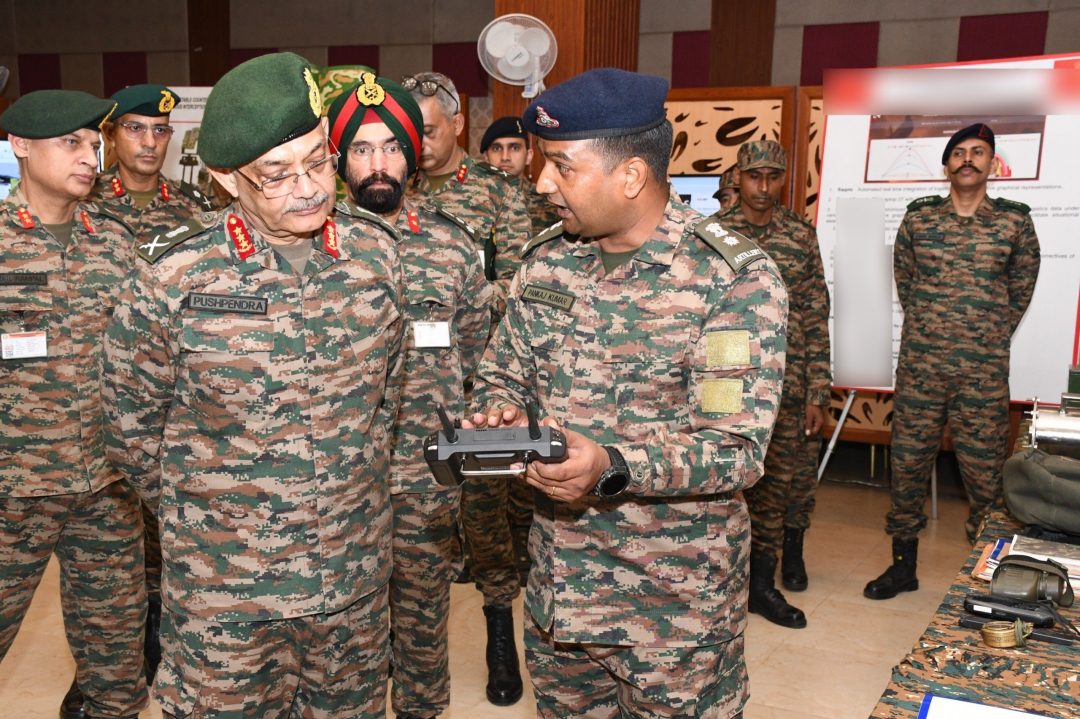
The Western Command’s initiative highlights the growing importance of an innovation ecosystem within the Armed Forces, where personnel at different levels are encouraged to become active contributors to capability development. Rather than treating technology as something introduced solely from outside the force, soldier-led innovation places operational users at the centre of the problem-solving process.
The emphasis on technology absorption is particularly relevant as the character of future warfare continues to evolve. Artificial intelligence, unmanned systems, sensors, robotics, advanced communications and other emerging technologies are changing how military forces operate. The ability to absorb these technologies and integrate them into existing operational concepts will be critical to maintaining battlefield advantage.
At the same time, technological transformation requires more than acquiring new equipment. It requires personnel who are capable of understanding, adapting and employing technology effectively under operational conditions. The interaction between commanders, innovators and troops at events such as the Ideas & Innovation Competition therefore contributes to developing the human component of military modernisation.
The innovations displayed by the Chakra Warriors represent this convergence of technology, operational experience and indigenous ingenuity. By focusing on contemporary battlefield imperatives, the competition sought to ensure that innovation remains closely connected to the practical needs of soldiers and commanders.
The event also reinforces the importance of creating a culture in which personnel are encouraged to question existing methods, identify shortcomings and develop solutions. Such a culture can accelerate the movement from an operational problem to an innovative idea and, ultimately, to a deployable capability.
The Western Command’s Ideas & Innovation Competition 2026 thus reflects a broader transition in India’s military modernisation journey—from technology acquisition towards technology absorption, indigenous development and battlefield-focused innovation. The 17 field-oriented innovations demonstrated how ideas originating with soldiers can contribute to tangible military capability.
As the Indian Army prepares for increasingly technology-intensive and rapidly changing conflicts, the ability to innovate at the tactical level could become a decisive enabler. The Chakra Warriors’ initiatives underline the principle that future battlefield advantage will depend not only on sophisticated platforms, but also on the ingenuity, adaptability and problem-solving ability of the soldiers who operate them.
The Chandimandir competition ultimately reaffirmed innovation as an integral component of operational preparedness, with Western Command seeking to convert soldier-led ideas into practical capabilities that can contribute to decisive success in future wars.