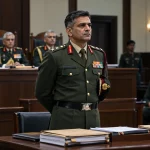

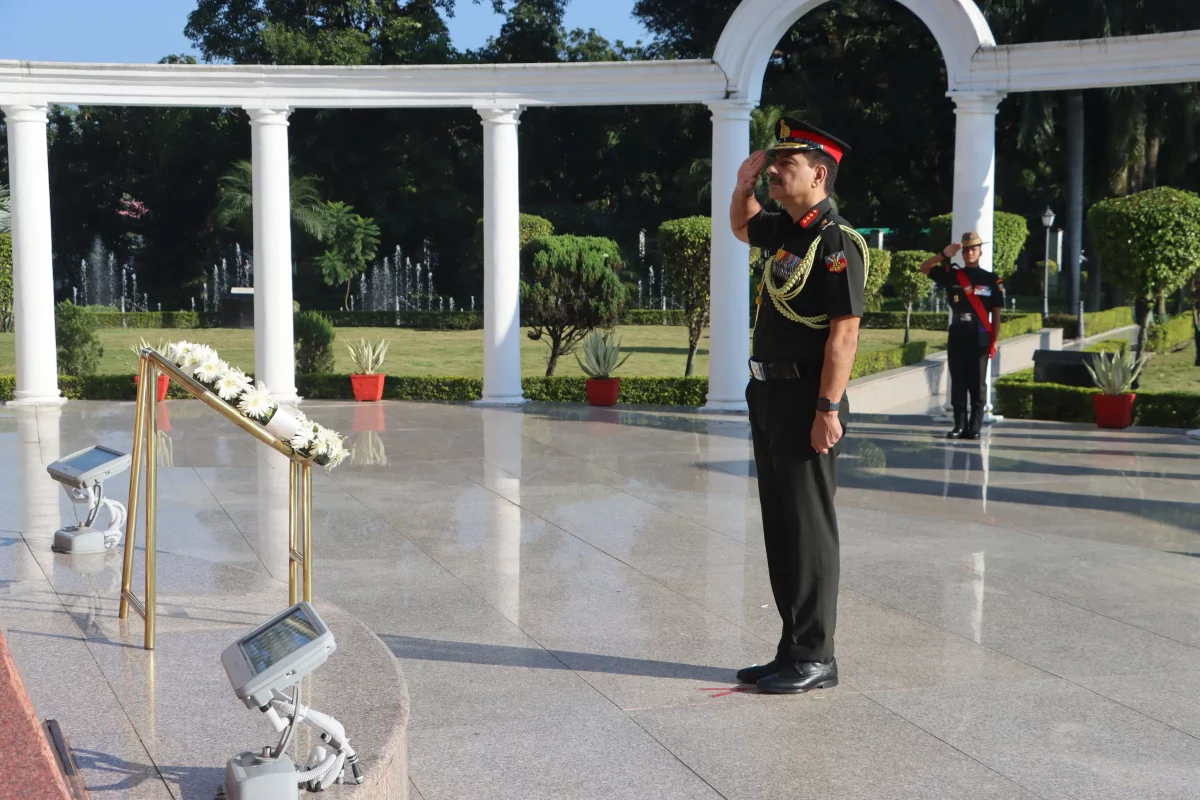
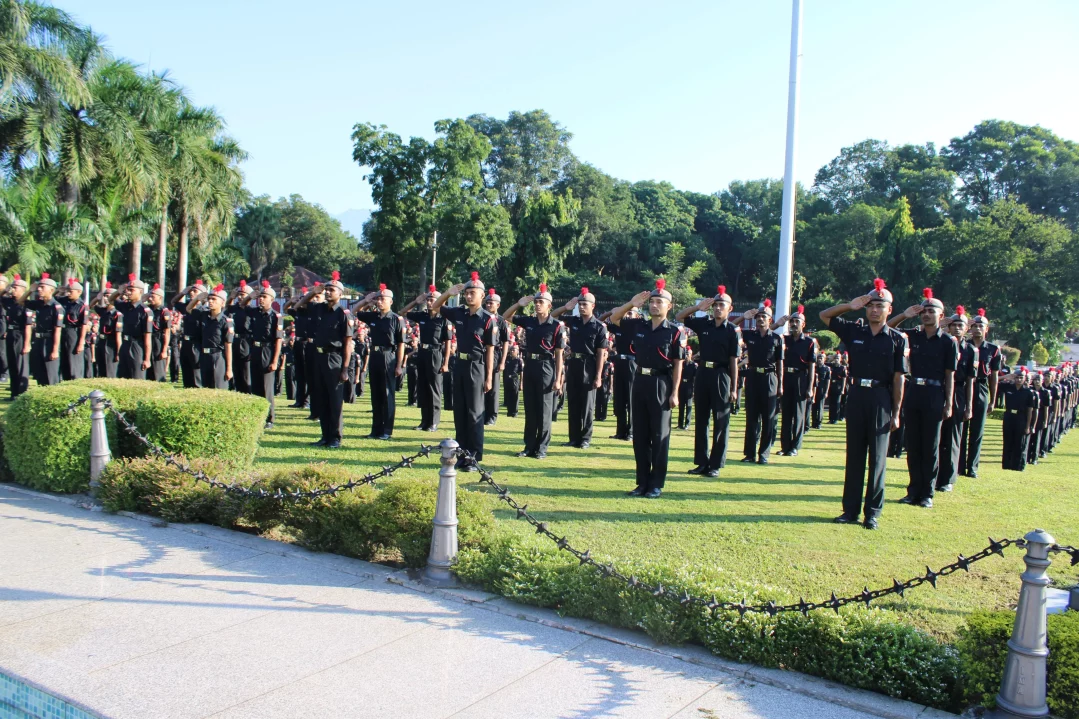
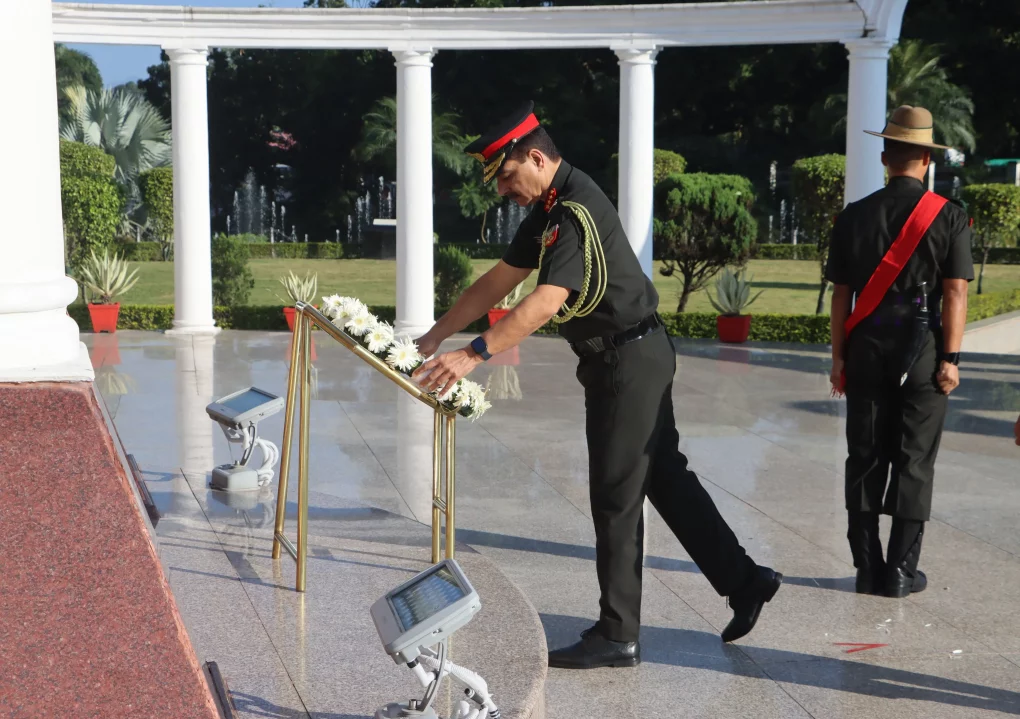
The Indian Military Academy (IMA), Dehradun, marked its 94th Raising Day with a solemn wreath-laying ceremony at the academy’s War Memorial, paying tribute to the bravehearts whose courage and supreme sacrifice continue to inspire generations of military leaders.





The occasion brought together the academy’s enduring legacy, traditions and commitment to preparing officers for service in the Indian Army. The ceremony at the War Memorial served as a reminder of the sacrifices made by the academy’s alumni in the course of their military service.
Established in Dehradun in 1932, the Indian Military Academy was created following the recommendations of the Indian Military College Committee headed by General Sir Philip Chetwode. The first batch of 40 Gentleman Cadets began training at the academy on October 1, 1932, while the academy was formally inaugurated on December 10, 1932.
Over the decades, IMA has evolved into one of India’s principal institutions for training officers of the Indian Army. Its mission is centred on preparing future military leaders through a combination of military training, character building, academic development, physical conditioning and leadership activities.
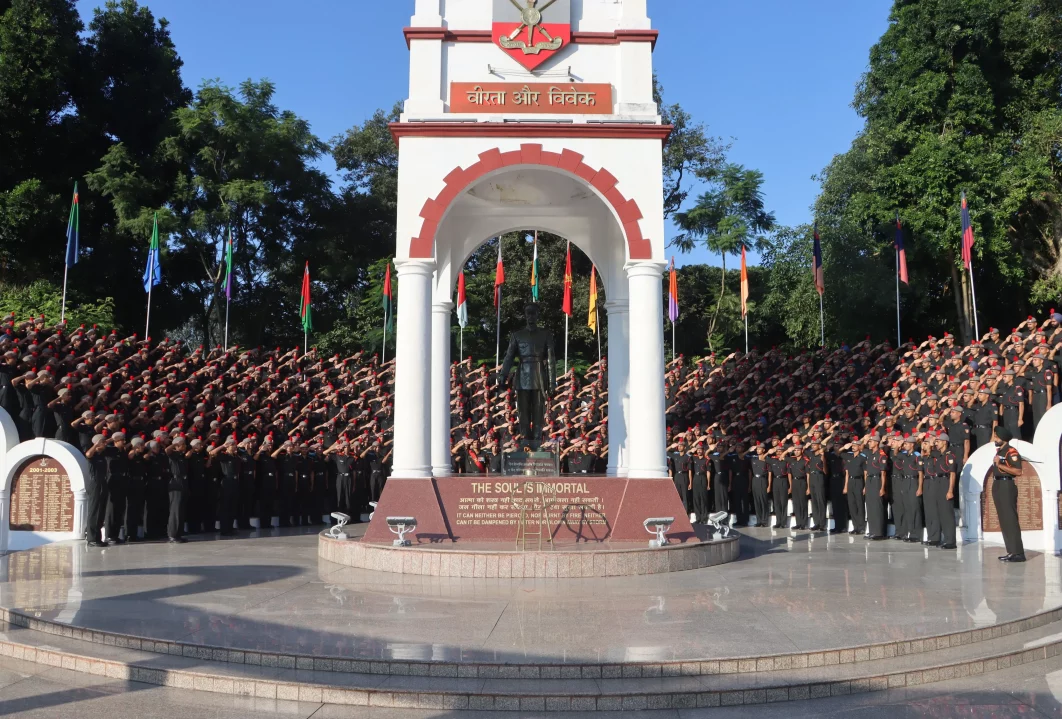
The academy’s motto, “Veerta aur Vivek”, meaning “Valour and Wisdom”, reflects the values associated with its training philosophy. The institution’s training and character-building framework is also guided by its honour code, warrior code and traditions developed over its long history.
The War Memorial at IMA occupies a special place in the academy’s traditions. It commemorates alumni who died in action, with the memorial’s sanctum sanctorum featuring a bronze statue of a Gentleman Cadet presenting arms with a sword. The memorial was inaugurated by Field Marshal Sam Manekshaw on November 17, 1999, following the Kargil War.
The memorial also reflects the academy’s long record of producing officers who have served in some of the most demanding operational environments. IMA alumni include recipients of the Param Vir Chakra and Ashoka Chakra, along with numerous other gallantry award recipients.
The academy’s history is closely linked with the development of India’s military leadership. The first batch to graduate from IMA in December 1934, later known as the Pioneers, included Field Marshal Sam Manekshaw, General Muhammad Musa and General Smith Dun, who subsequently became the Army Chiefs of India, Pakistan and Burma respectively.
Following Independence, IMA continued its role in preparing officers for the Indian Army. The 189 Gentleman Cadets who graduated on December 20, 1947, became the first class from the academy to be commissioned into independent India.
The academy has since expanded considerably from its original intake. Its campus now covers around 1,400 acres in the Doon Valley and includes facilities such as Chetwode Hall, Khetarpal Auditorium, Somnath Stadium, the Salaria Aquatic Centre and the Hoshiar Singh Gymnasium.
Training at IMA encompasses physical training, drills, weapons training, leadership development and academic instruction. The curriculum is periodically reviewed and adapted to prevailing national and operational requirements, while cadets are exposed to different forms of warfare, including conventional warfare, proxy warfare, low-intensity conflict and counter-insurgency.
The academy’s traditions extend beyond classroom and field training. Sports, adventure activities, drills and other demanding exercises form an integral part of cadet life, contributing to physical conditioning, discipline and leadership development.
One of IMA’s most recognised traditions is its Passing Out Parade, which marks the culmination of cadet training. The ceremony incorporates several long-standing traditions, including the presentation of the Sword of Honour to the best Gentleman Cadet and the final step into Chetwode Hall.
The academy’s legacy has also extended beyond India. Over its history, IMA has trained officers from numerous friendly foreign countries, contributing to its wider role in military professional education and interaction.
The 94th Raising Day ceremony therefore served not only as a commemoration of the academy’s establishment but also as a tribute to the generations of officers who have carried its traditions into operational service. The wreath-laying at the War Memorial reaffirmed the enduring connection between the academy’s present generation of trainees and the legacy of those who made the supreme sacrifice.
As the Indian Military Academy marks 94 years of its journey, its traditions of valour, wisdom, discipline, leadership and service continue to remain central to the institution’s identity. The Raising Day observance brought these values into focus while honouring the bravehearts whose sacrifice continues to inspire the generations of officers trained at Dehradun.