
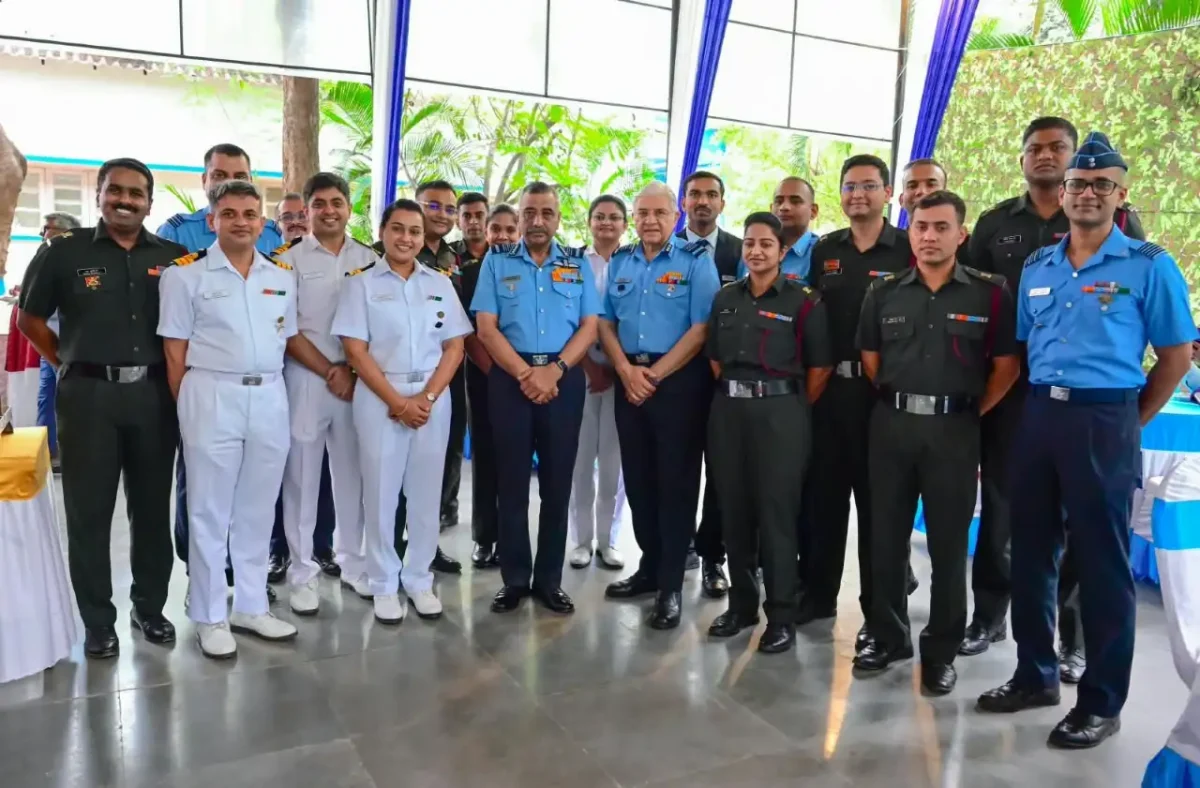
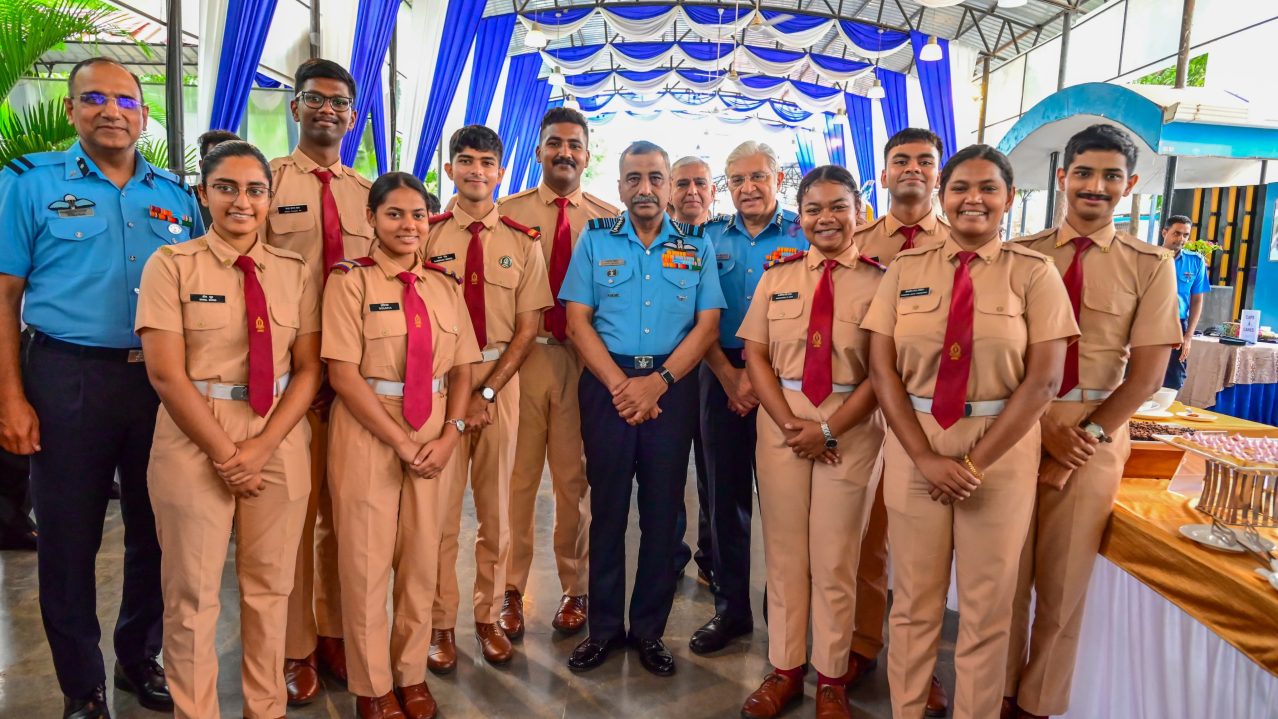
New Delhi, November 28, 2026: Air Chief Marshal Ashutosh Dixit, Chief of the Air Staff (CAS), delivered the inaugural address at the 65th Annual Conference of the Indian Society of Aerospace Medicine (ISAM) on November 27, highlighting the critical role of aerospace medicine in strengthening operational readiness, ensuring flight safety and supporting India’s growing ambitions in human spaceflight.
The conference, organised under the theme “One Airspace – One Mission: Aeromedical Support from Runway to Orbit,” brought attention to the evolving requirements of aerospace medicine as India advances its capabilities in military aviation, civil aviation and space exploration.
Addressing the gathering, the Air Chief emphasised that aerospace medicine plays an essential role in maintaining the physical and physiological fitness of aircrew, enhancing aviation safety and ensuring the effectiveness of personnel operating in demanding aerospace environments.
He highlighted the importance of extending aeromedical expertise beyond conventional aviation to support India’s human spaceflight programme, where astronauts face unique physiological and psychological challenges associated with operating in space.
Air Chief Marshal Dixit called for closer collaboration among the Indian Armed Forces, civil aviation organisations, the Indian Space Research Organisation (ISRO), the Defence Research and Development Organisation (DRDO), academic institutions and industry stakeholders.
He stressed that such cooperation would help strengthen research, encourage innovation and develop integrated aeromedical solutions capable of meeting the requirements of both aviation and space missions.
A major focus of his address was the integration of human factors into the design and development of indigenous aerospace platforms. The Chief of the Air Staff urged the aeromedical community to actively participate in the development of aircraft, cockpit systems, aircrew equipment and life-support technologies from the earliest stages of design.
This approach is intended to ensure that future aerospace systems are developed with adequate consideration for human performance, ergonomics, physiological limitations and operational safety.
The Air Chief also paid tribute to two distinguished figures in Indian aviation history: Air Marshal Subroto Mukherjee, the first Indian Chief of the Air Staff, and Air Vice Marshal MM Srinagesh, recognised for his pioneering contributions to aerospace medicine in India.
Their contributions were acknowledged as important milestones in the development of India’s military aviation and aeromedical capabilities.
Another significant highlight of the conference was the launch of the Cosmonaut Rakesh Sharma Guest Lecture Series, named in honour of Wing Commander Rakesh Sharma, the first Indian to travel into space.
Wing Commander Rakesh Sharma, who made history aboard the Soviet Soyuz T-11 spacecraft in April 1984, chaired the inaugural lecture of the newly introduced series.
The initiative aims to recognise India’s achievements in human space exploration while encouraging discussions on the scientific, medical and operational challenges associated with aerospace missions.
The 65th ISAM Annual Conference highlighted the expanding scope of aerospace medicine, particularly as India works towards developing indigenous aviation technologies and advancing its human spaceflight capabilities.
The event reinforced the importance of collaboration between defence organisations, scientific institutions and the aerospace industry in developing medical expertise, human-centred technologies and life-support systems required for future aviation and space operations.
The conference also reflected the Indian Air Force’s continued emphasis on flight safety, operational effectiveness and the integration of aerospace medicine into India’s broader aviation and space exploration efforts.