
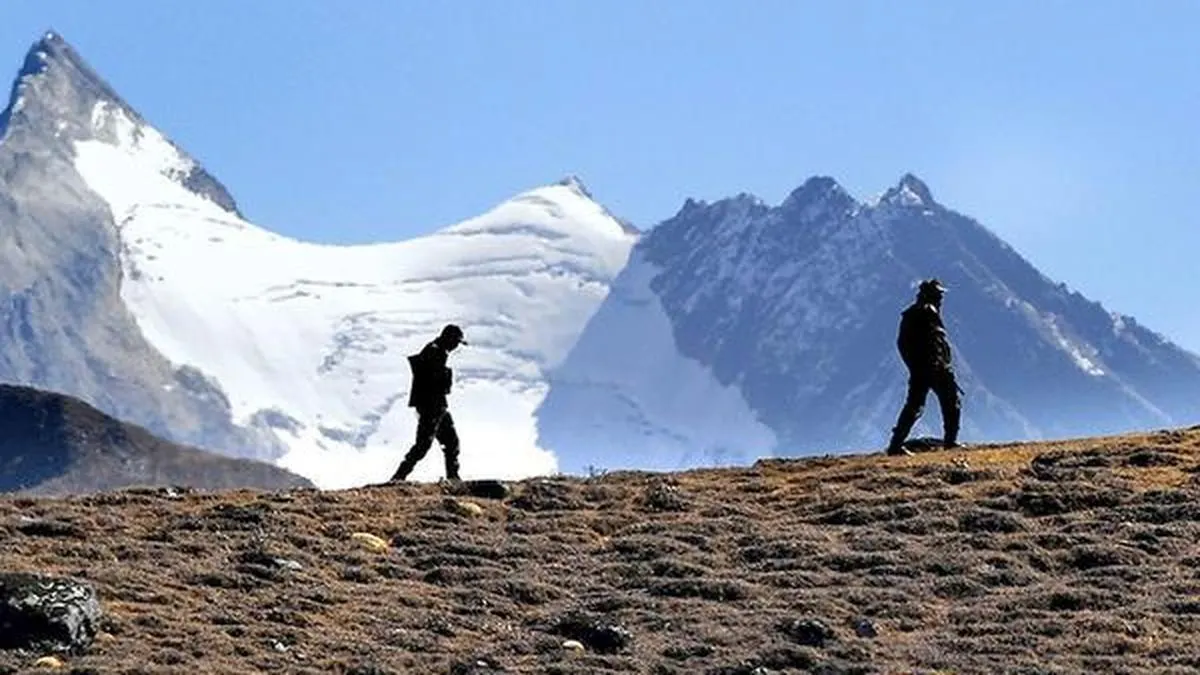
India and China have held the second round of Corps Commander-level talks aimed at easing tensions along the Line of Actual Control (LAC) in Arunachal Pradesh, as both sides seek to establish mechanisms to prevent local troop confrontations from escalating into larger standoffs ahead of the winter season.



The discussions began soon after Diwali and continued for nearly 10 days, with a short break in between, according to sources in the defence establishment. The Indian delegation was led by 3 Corps Commander Lieutenant General Girish Kalia, while an official from the Ministry of External Affairs (MEA) was also part of the delegation.
Although neither side has issued an official statement on the latest discussions, defence sources confirmed that the talks had taken place. The primary focus was on developing engagement protocols between the two militaries, keeping communication channels open and preventing local friction between troops from turning into larger confrontations.
Both countries have deployed substantial numbers of troops in the region, making communication and clearly defined engagement procedures important for maintaining stability along the frontier.
Tensions Continue in Upper Subansiri District
The latest round of discussions comes amid continuing tensions in the Taksing area of Arunachal Pradesh’s Upper Subansiri district, where Indian and Chinese troops have reportedly been involved in a standoff since July.
Local organisations, including the Nah Welfare Society, have alleged that the People’s Liberation Army (PLA) has constructed roads, bridges and camps on traditional grazing and hunting grounds. The Indian Army had dismissed such reports in June as “incorrect and without any basis”. The government has not issued a comment on the alleged incursions.
The developments have added to concerns over local friction along the eastern sector of the LAC, where difficult terrain and limited accessibility complicate patrolling and troop movements.
Corps Commander-Level Mechanism Extended to Eastern Sector
The second round follows the first Corps Commander-level meeting held in Arunachal Pradesh’s Kibithoo sector. The Indian and Chinese delegations met at Wacha on September 6 and at Damai the following day.
The meetings marked the first extension of the Corps Commander-level mechanism to the eastern sector. The mechanism had originally been established in eastern Ladakh following the deadly clashes in Galwan in 2020.
The first round of discussions took place shortly before Chinese President Xi Jinping visited New Delhi for the BRICS summit, his first visit to India in seven years. At the time, the Ministry of External Affairs described bilateral relations as “gradually moving in a positive direction”.
Winter Conditions Add to Border Management Challenges
The latest discussions also come as winter approaches in the eastern Himalayan region. Unlike the relatively barren high-altitude terrain of eastern Ladakh, the Arunachal frontier is characterised by dense forests, deep valleys and heavy rainfall, making patrolling difficult for significant periods of the year.
As temperatures fall and snowfall intensifies, several stretches along the LAC could become increasingly difficult to access. This makes the timely implementation of agreed engagement procedures and communication mechanisms particularly important.
In eastern Ladakh, India and China have held 23 rounds of Corps Commander-level talks since 2020. The discussions have included meetings at the Chushul-Moldo border meeting point, including a round in October last year following the October 2024 agreement on patrolling arrangements at Depsang and Demchok.
The latest engagement in Arunachal Pradesh reflects continued efforts by the two militaries to manage tensions through established communication mechanisms. However, it remains uncertain whether the measures discussed during the latest round will be implemented on the ground before heavy snowfall affects access to large stretches of the frontier.