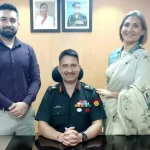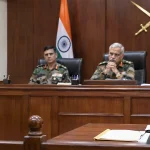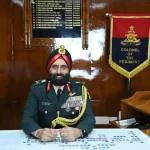

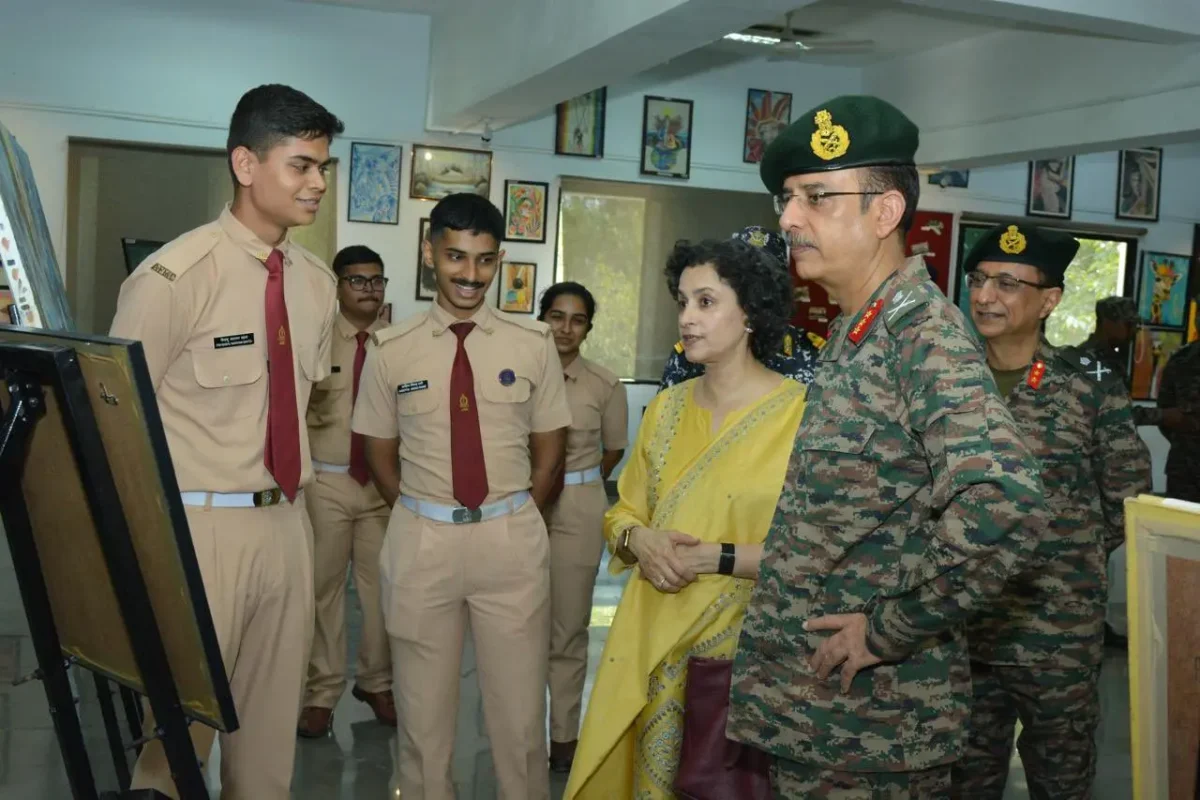
Lt Gen Ajay Kumar, Chief of Staff, Southern Command, visited the Armed Forces Medical College (AFMC), Pune, on November 6, 2026. During the visit, the General Officer interacted with Surg VAdm Manish Honwad, Director and Commandant of AFMC, and was briefed on the institution’s rich legacy, advanced healthcare capabilities, research initiatives and professional training programmes.





The interaction provided an overview of AFMC’s longstanding contribution to military medicine and medical education. The institution’s role in developing medical professionals, strengthening specialised healthcare capabilities and supporting research within the Armed Forces was highlighted during the briefing. Its academic and medical infrastructure reflects the importance accorded to professional excellence, continuous learning and the development of capabilities required to address evolving healthcare needs.
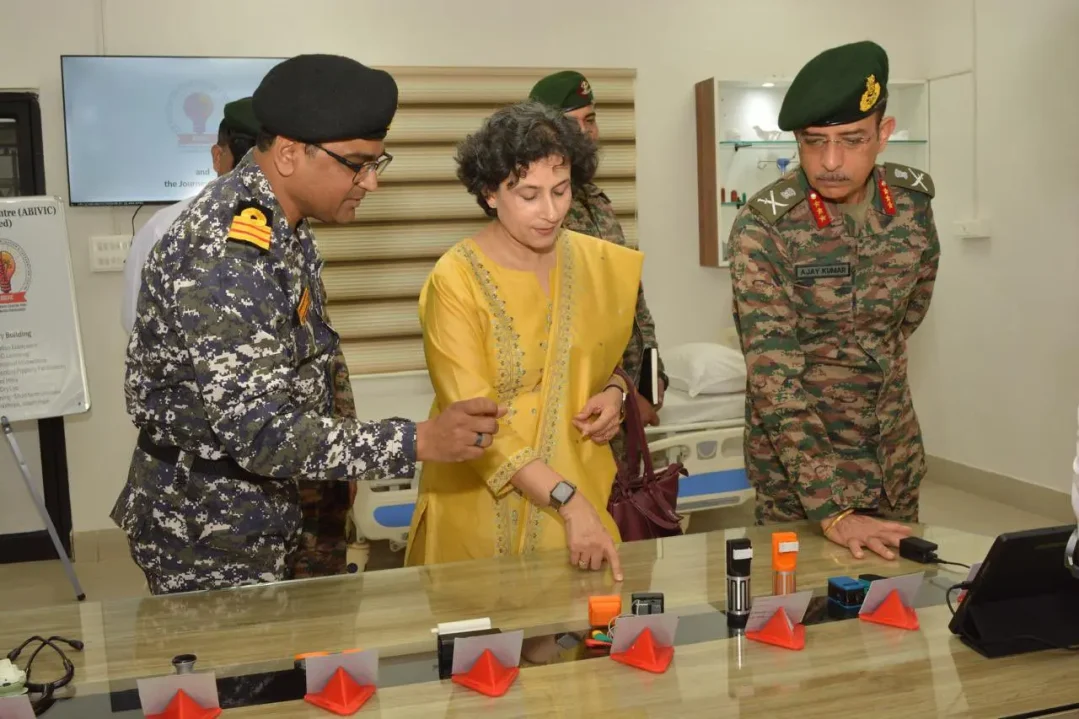
Lt Gen Ajay Kumar was also apprised of the institution’s training programmes and initiatives aimed at enhancing the professional competence of medical personnel. The briefing highlighted the integration of medical education, practical training, research and specialised healthcare services within the institution. These activities contribute to preparing medical professionals to operate across a range of healthcare environments, including the specialised requirements associated with military service.
As part of the visit, the Chief of Staff toured several important facilities at AFMC, including the Health Training Assessment Centre, War Surgery Museum, Surgical Skills Lab, Centre for Advanced Research and Department of Medical Research. The tour provided an opportunity to review the institution’s infrastructure and understand the different dimensions of its medical training, research and healthcare-related activities.
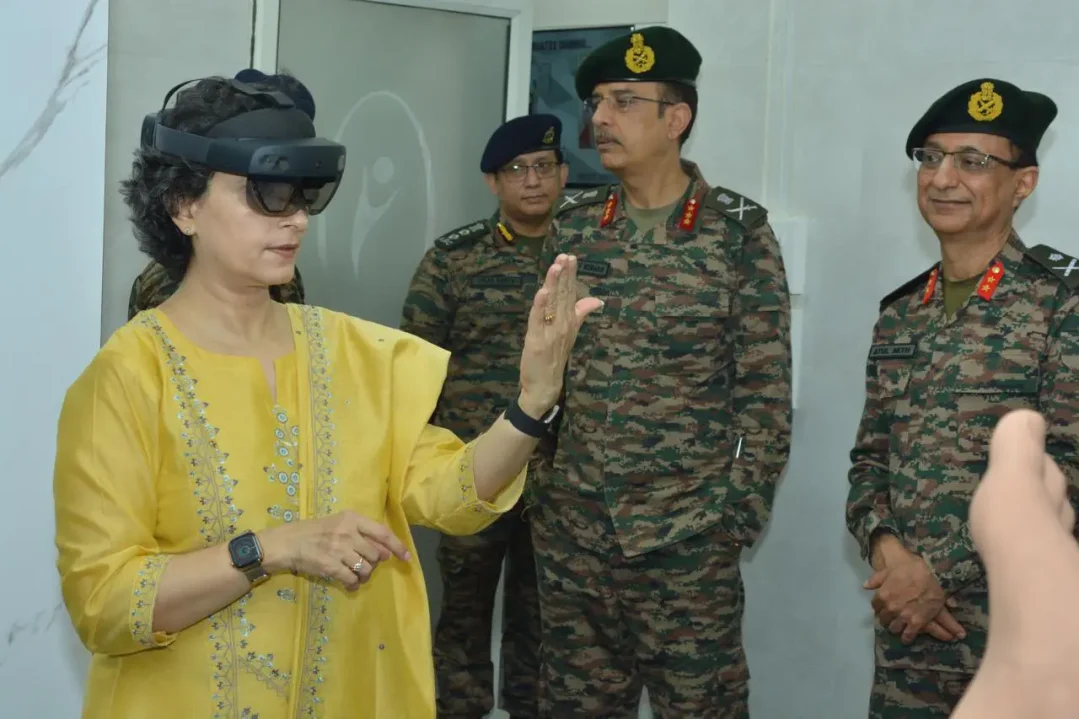
At the Health Training Assessment Centre, the focus was on the institution’s training and assessment infrastructure. The facility forms part of AFMC’s broader emphasis on professional preparation and the development of medical competencies. The visit also included the War Surgery Museum, which represents an important component of the institution’s engagement with military medical history and the specialised field of war surgery.
The General Officer also visited the Surgical Skills Lab, a facility associated with practical medical training and the development of specialised surgical competencies. Such training infrastructure supports the emphasis on hands-on learning and the refinement of clinical skills. The visit further covered the Centre for Advanced Research and the Department of Medical Research, highlighting the institution’s focus on scientific inquiry, research activities and the advancement of medical knowledge.
The range of facilities visited reflected the multiple dimensions of AFMC’s institutional responsibilities, extending from medical education and practical training to research and specialised military healthcare. The interaction also brought attention to the importance of maintaining advanced infrastructure and encouraging research-driven approaches in the medical field.
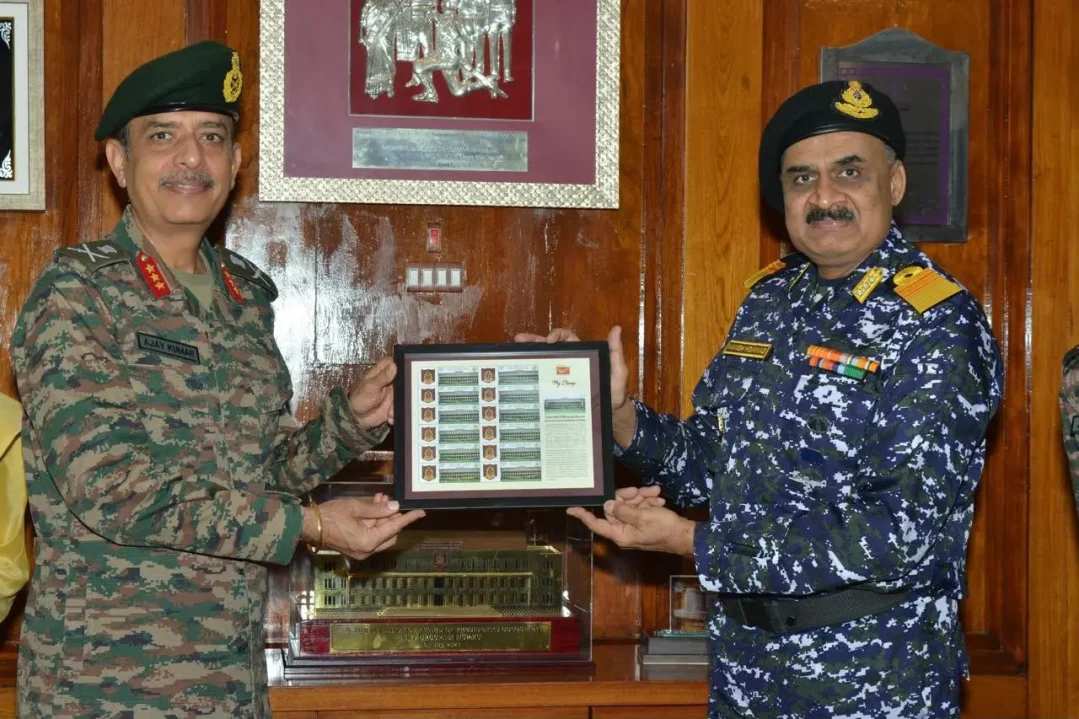
AFMC’s contribution to military medicine extends beyond classroom instruction, encompassing the preparation of medical professionals and the development of expertise relevant to the healthcare requirements of the Armed Forces. Its emphasis on training, research and specialised facilities supports the broader objective of maintaining professional standards and strengthening medical capabilities.
The visit highlighted AFMC’s distinguished institutional strengths and its continued contribution to military medicine and medical education. It also provided an opportunity to acknowledge the work undertaken by the institution in advancing healthcare capabilities, supporting research and developing skilled medical professionals for service in the Armed Forces.