
Sri Lanka has taken control of an Iranian naval vessel, IRINS Bushehr, a day after a US submarine torpedoed and sank the Iranian frigate IRIS Dena in nearby waters, an incident that killed at least 87 sailors and heightened tensions in the Indian Ocean.
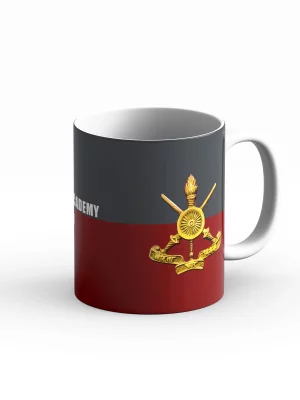
Vessel Requests Emergency Docking
The IRINS Bushehr requested permission to dock in Sri Lanka on Wednesday, citing engine malfunction while operating near the island nation. After several hours of deliberations, Sri Lankan authorities allowed the ship to enter the port of Trincomalee on humanitarian grounds.
A total of 208 crew members were evacuated from the vessel, including 53 officers, 84 cadet officers, 48 senior sailors and 23 sailors, and arrangements were made to transport them to Colombo.
Sri Lanka Emphasises Neutrality
Sri Lankan President Anura Kumara Dissanayake said the government’s decision was guided by humanitarian considerations and international maritime conventions.
“Our position has been to safeguard our neutrality while demonstrating our humanitarian values,” the president said, adding that Sri Lanka would not take sides in the ongoing US-Israel military campaign against Iran.
Authorities noted that allowing the vessel to dock at Trincomalee instead of Colombo helped avoid potential disruption to the country’s main commercial shipping hub.
Aftermath of IRIS Dena Sinking
The development follows the sinking of the Iranian warship IRIS Dena by a US submarine about 44 nautical miles off Sri Lanka’s southern coast. The frigate had been carrying around 180 crew members and had recently participated in a multinational naval exercise in the Bay of Bengal.
Sri Lankan naval teams are continuing search operations for missing sailors, while 32 survivors from the IRIS Dena are currently receiving treatment at a hospital in Galle.
Growing Regional Tensions
The incident marks a significant escalation in the widening Middle East conflict involving the United States, Israel and Iran, which has now spilled into the Indian Ocean region.
Iran’s Foreign Minister Abbas Araghchi condemned the attack as an “atrocity at sea”, while US Defence Secretary Pete Hegseth described it as a demonstration of American naval capability.
Strategic Position of Sri Lanka
Sri Lanka, which has traditionally followed a policy of non-alignment since independence in 1948, maintains economic and diplomatic ties with both Iran and the United States.
Iran has historically been a key supplier of crude oil to Sri Lanka, while the United States remains the largest export destination for Sri Lankan garments, placing Colombo in a delicate position as regional tensions continue to rise.