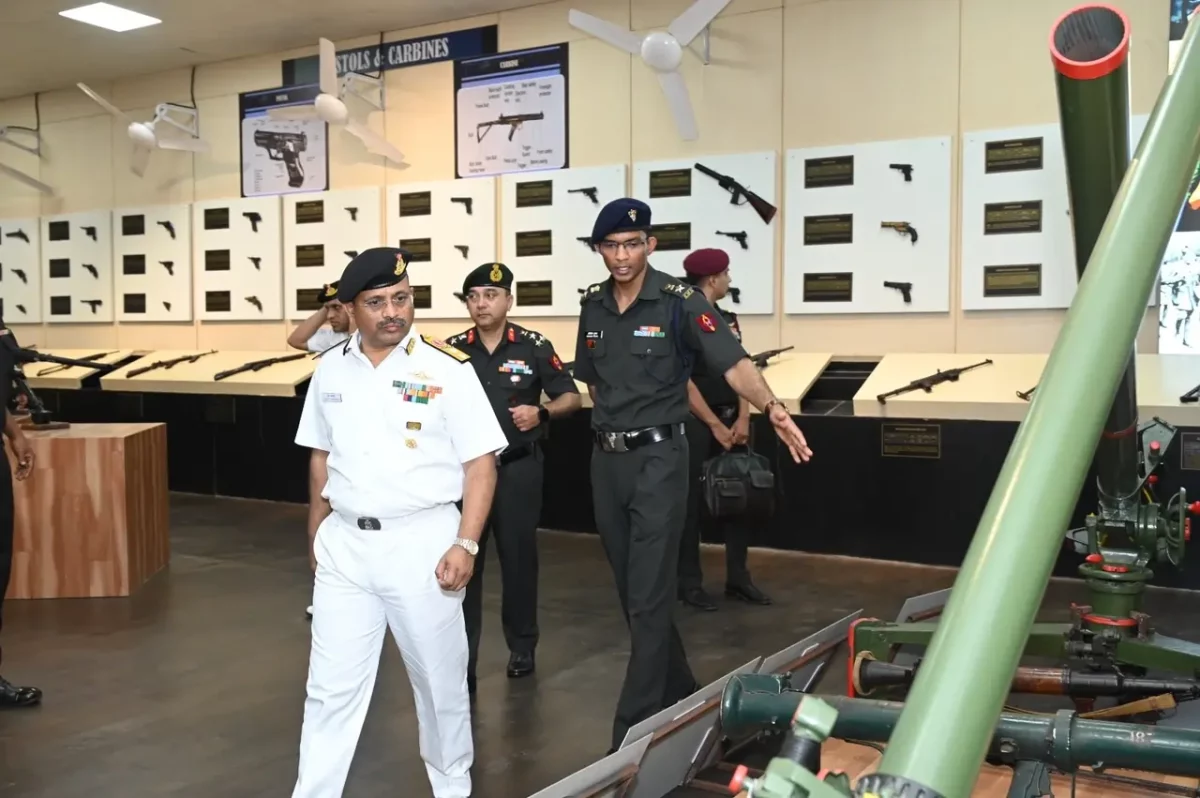
Rear Admiral Chetan C. Chandegave of the Headquarters Integrated Defence Staff (HQ IDS) visited the Military Institute of Technology (MILIT), Pune, to review its training infrastructure, academic facilities and ongoing initiatives aimed at strengthening professional military education. The visit underscored the growing importance of jointness, technological innovation and specialised military training in preparing the next generation of military leaders for the evolving character of warfare.





During the visit, Rear Admiral Chandegave interacted with the faculty members of the institute and received comprehensive briefings on MILIT’s academic programmes, specialised training methodologies and capability development initiatives. He reviewed the institution’s modern training infrastructure and appreciated its sustained efforts towards providing technologically advanced and future-oriented professional military education to officers of the Indian Armed Forces.
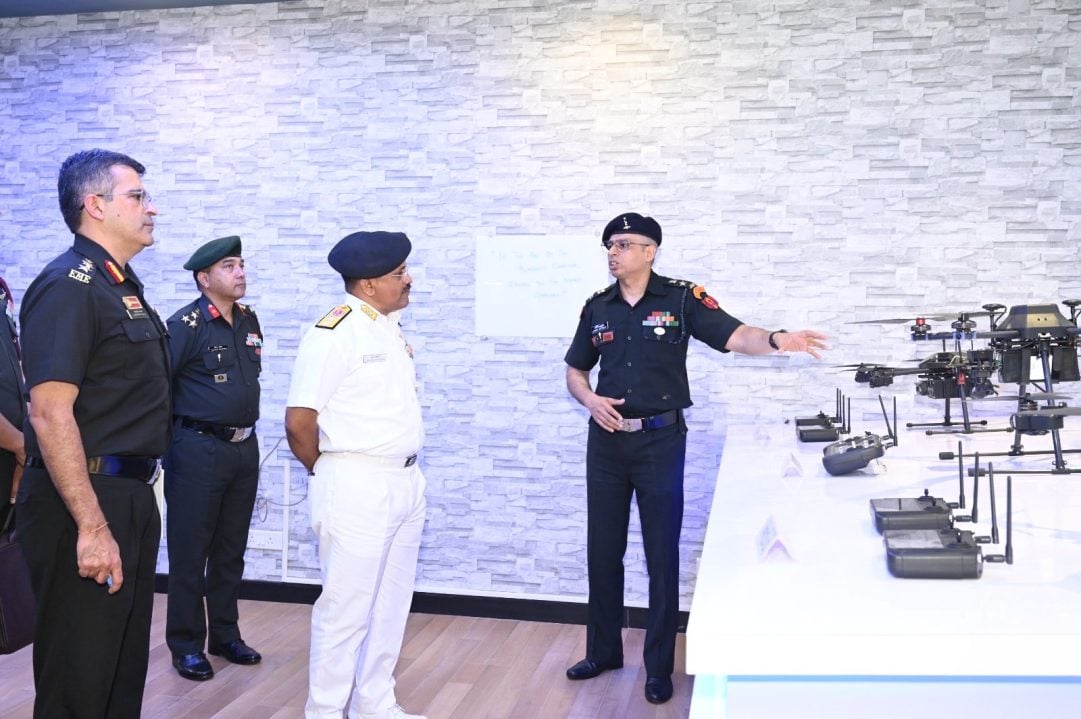
MILIT has emerged as one of the country’s premier tri-service military educational institutions, playing a pivotal role in imparting specialised technical and operational knowledge to officers from the Indian Army, Indian Navy and Indian Air Force. The institute’s focus on fostering jointness and promoting interdisciplinary military education remains central to strengthening operational integration among the three services.
A significant highlight of the visit was the review of MILIT’s initiatives in developing the Combat Sustenance Wargaming Framework. The innovative framework is aimed at enhancing understanding of operational sustainment and logistical planning through realistic and technology-enabled military simulations. Such initiatives contribute significantly towards preparing military leaders to effectively address the complexities of contemporary and future operational environments.
Rear Admiral Chandegave commended the institute’s efforts in developing advanced wargaming capabilities that facilitate strategic thinking, operational planning and informed decision-making among officers undergoing training. Wargaming has increasingly become an indispensable tool in professional military education, enabling personnel to analyse multidimensional battlefield scenarios and strengthen their understanding of joint operational concepts.
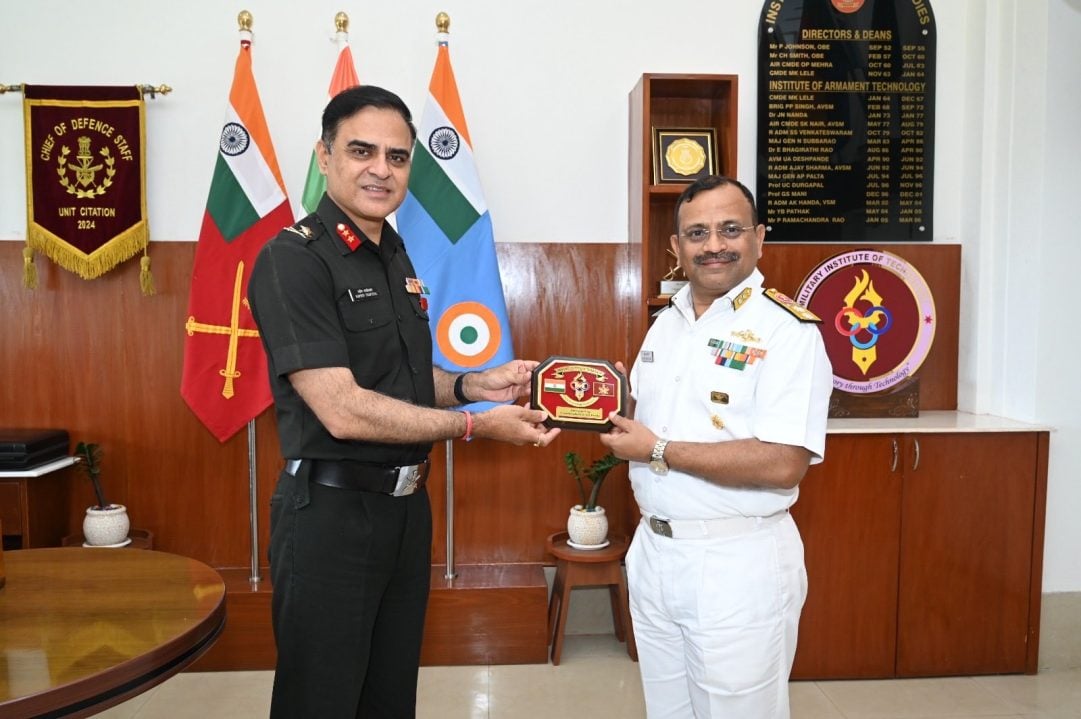
Emphasising the transformational changes underway in modern warfare, the senior officer highlighted the critical importance of niche technologies in shaping future military capabilities. Emerging technologies such as artificial intelligence, autonomous systems, advanced simulation platforms and network-centric operational frameworks are increasingly influencing military planning and execution across all domains of warfare. Preparing officers to effectively understand and employ these technologies remains vital to sustaining operational superiority.
Rear Admiral Chandegave also stressed the importance of strengthening jointness among the Armed Forces through integrated military education and collaborative training initiatives. Contemporary security challenges demand seamless coordination and interoperability among the services, making tri-service professional military education an essential component of India’s defence preparedness.
He emphasised that innovation must remain at the heart of military transformation and encouraged continued investments in future-oriented educational methodologies designed to prepare officers for increasingly complex operational environments. Military institutions, he observed, must continuously evolve their curricula and training frameworks to remain aligned with emerging technologies and the changing nature of global security challenges.
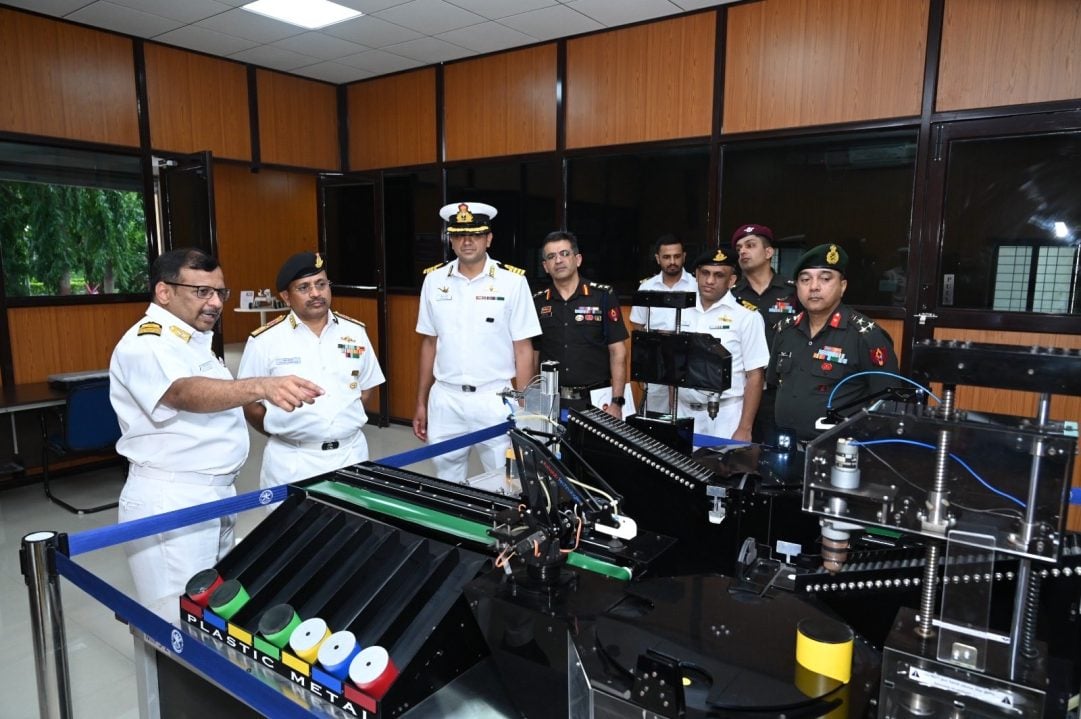
The interaction with faculty members provided an opportunity to deliberate upon the evolving requirements of professional military education and the role of specialised institutions in nurturing adaptive, technologically proficient and strategically minded military leaders. The development of officers capable of integrating innovation with operational excellence remains central to building a future-ready force.
The visit reaffirmed MILIT’s enduring commitment to advancing joint professional military education through excellence in teaching, technological innovation and capability development. By fostering critical thinking, promoting interdisciplinary learning and embracing cutting-edge technologies, the institute continues to contribute significantly towards strengthening India’s military leadership ecosystem.
As the Indian Armed Forces pursue greater integration and modernisation, institutions such as MILIT will remain indispensable in preparing officers to address the challenges of future warfare. The emphasis on jointness, niche technologies and innovation highlighted during Rear Admiral Chandegave’s visit reflects the broader vision of developing agile, technologically advanced and operationally capable military leaders equipped to safeguard the nation’s strategic interests in an increasingly dynamic security environment.