
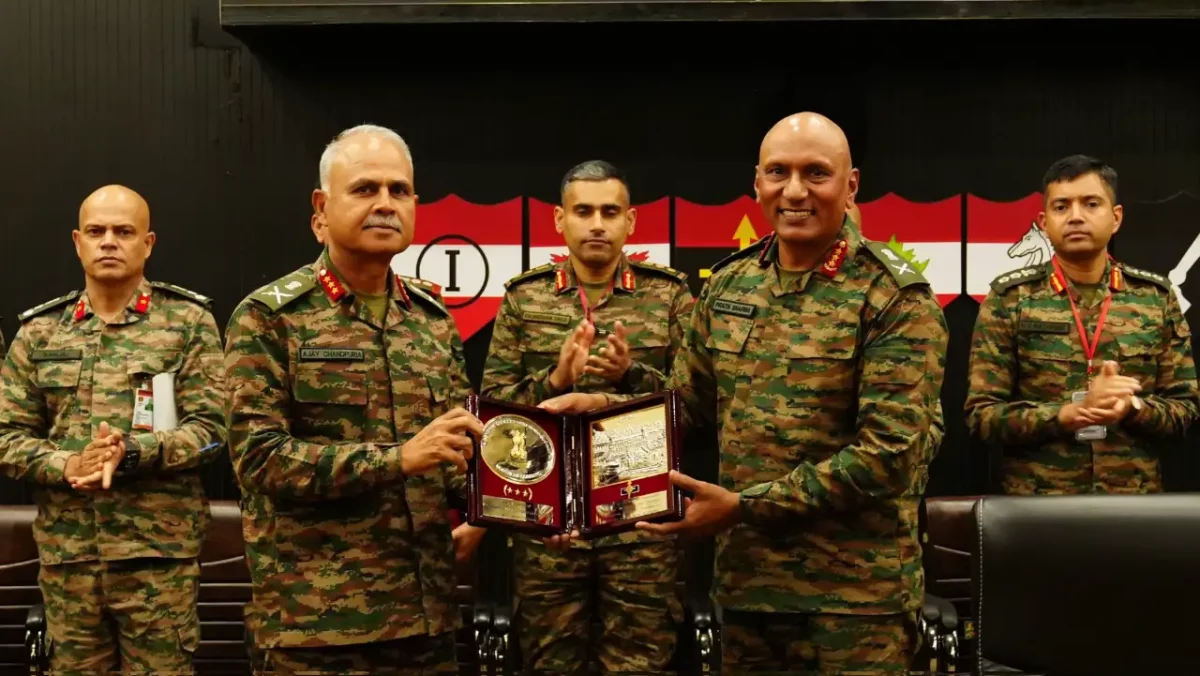
Udhampur, July 29: Student Officers of the prestigious Higher Command Course visited the Headquarters of Northern Command as part of their professional military education, gaining first-hand exposure to one of the Indian Army’s most strategically significant operational commands. The visit provided the officers with valuable insights into the Command’s operational environment, evolving security challenges, and the Army’s continued efforts to modernise its capabilities through technology and innovation.




During the visit, the delegation was briefed on the prevailing operational environment in Northern Command’s area of responsibility, with detailed presentations covering counter-terrorism operations, evolving security dynamics, and the unique operational challenges encountered in the region. The officers also received an overview of the Command’s operational logistics framework, which supports sustained military operations across diverse and demanding terrains, including high-altitude and border areas.
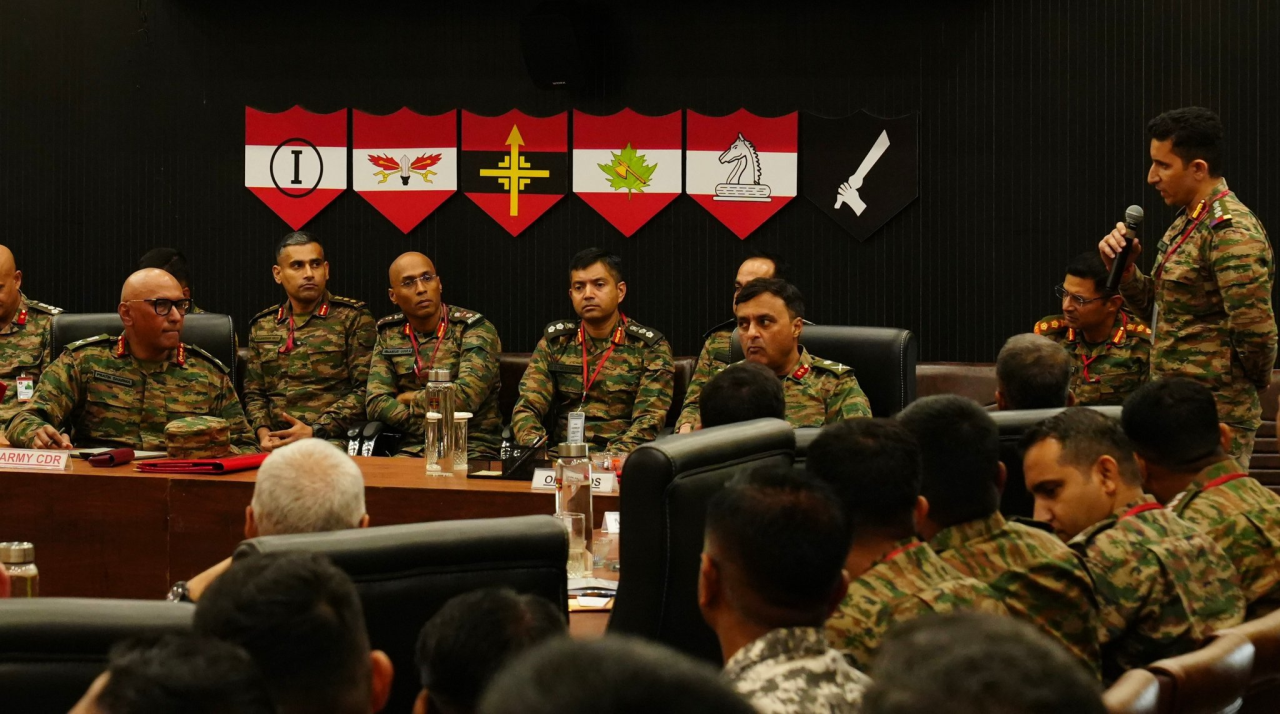
The briefings highlighted Northern Command’s initiatives towards technology absorption, capability enhancement, and integrated combat readiness across the full spectrum of military operations. Emphasis was placed on the increasing role of emerging technologies, data-driven decision-making, and joint operational planning in maintaining operational superiority in an ever-changing security environment.
A key highlight of the visit was an interaction with Lieutenant General Pratik Sharma, General Officer Commanding-in-Chief (GOC-in-C), Northern Command. Addressing the Higher Command Course officers, the Army Commander delivered a motivational address focusing on the importance of preparing military leaders for the rapidly evolving character of warfare.
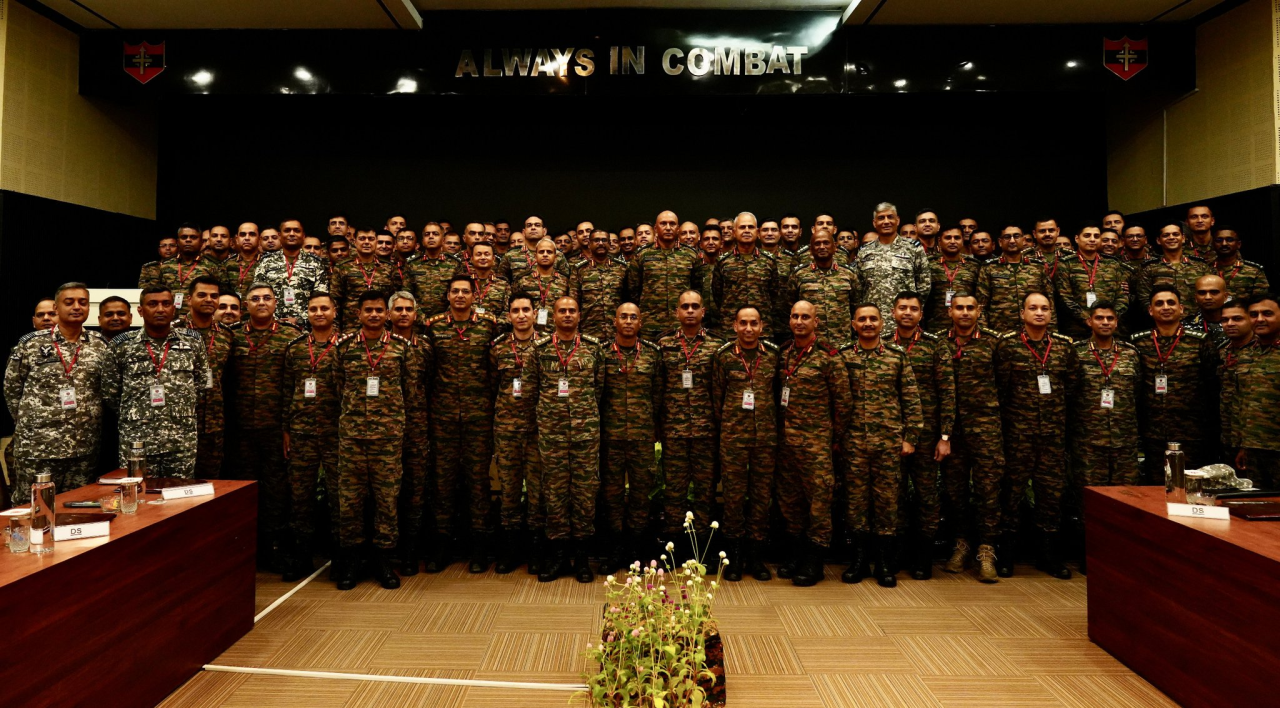
Lieutenant General Sharma stressed that future military leaders must remain alert to the fast-changing technological landscape and continuously adapt to emerging innovations. He encouraged the officers to embrace innovative solutions and leverage synergy with academic institutions, research organisations, industry, start-ups, and other government agencies to strengthen India’s defence capabilities.
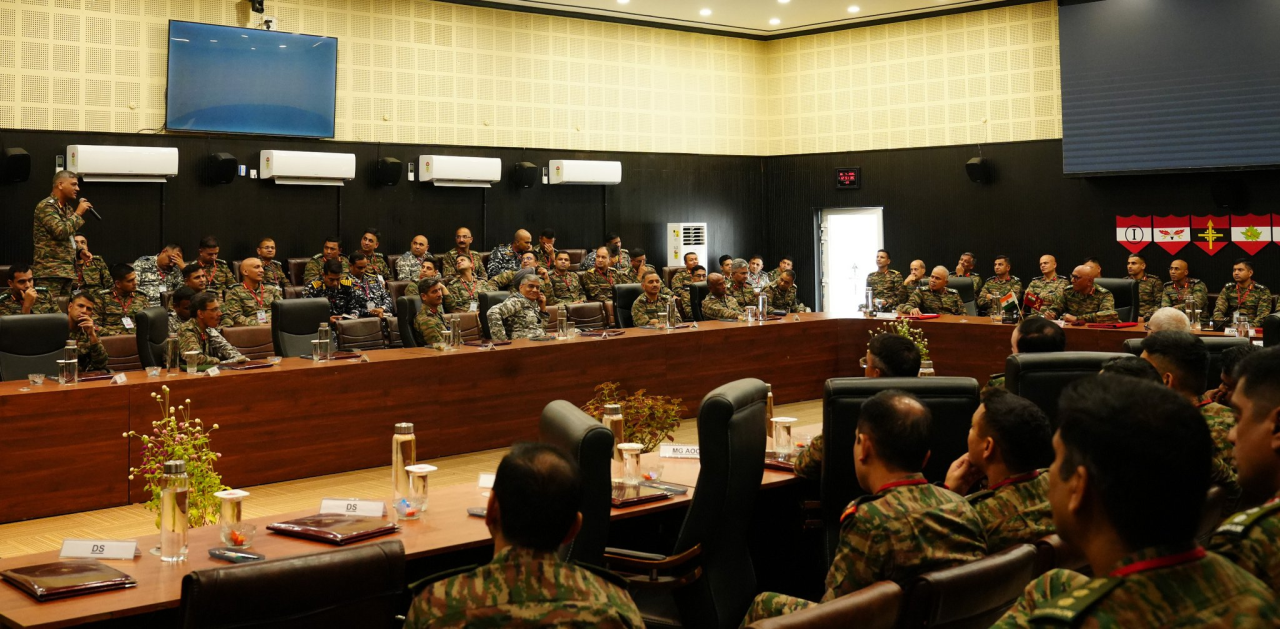
Highlighting the importance of the whole-of-nation approach, the Army Commander underscored that modern security challenges require collaboration beyond traditional military structures. He noted that integrating expertise from multiple stakeholders would enable the Armed Forces to develop indigenous, technology-driven solutions capable of maintaining a decisive operational edge over adversaries.
The Higher Command Course is among the Indian Army’s premier professional military education programmes, designed to prepare senior officers for higher command and strategic leadership appointments. The curriculum combines academic study with visits to operational formations, enabling officers to understand contemporary security challenges and observe operational planning and execution at the highest levels.
Northern Command remains one of the Indian Army’s most critical operational commands, responsible for safeguarding India’s northern frontiers while conducting counter-terrorism and counter-infiltration operations in Jammu and Kashmir. The Command continues to play a pivotal role in maintaining operational readiness through modernisation, jointness, technological innovation, and adaptive leadership.
The visit offered the Student Officers an invaluable opportunity to gain practical insights into the Command’s operational philosophy, logistics management, and technology-driven transformation. It also reinforced the Indian Army’s commitment to developing future military leaders capable of navigating the complexities of modern warfare through innovation, strategic thinking, and integrated national efforts.