
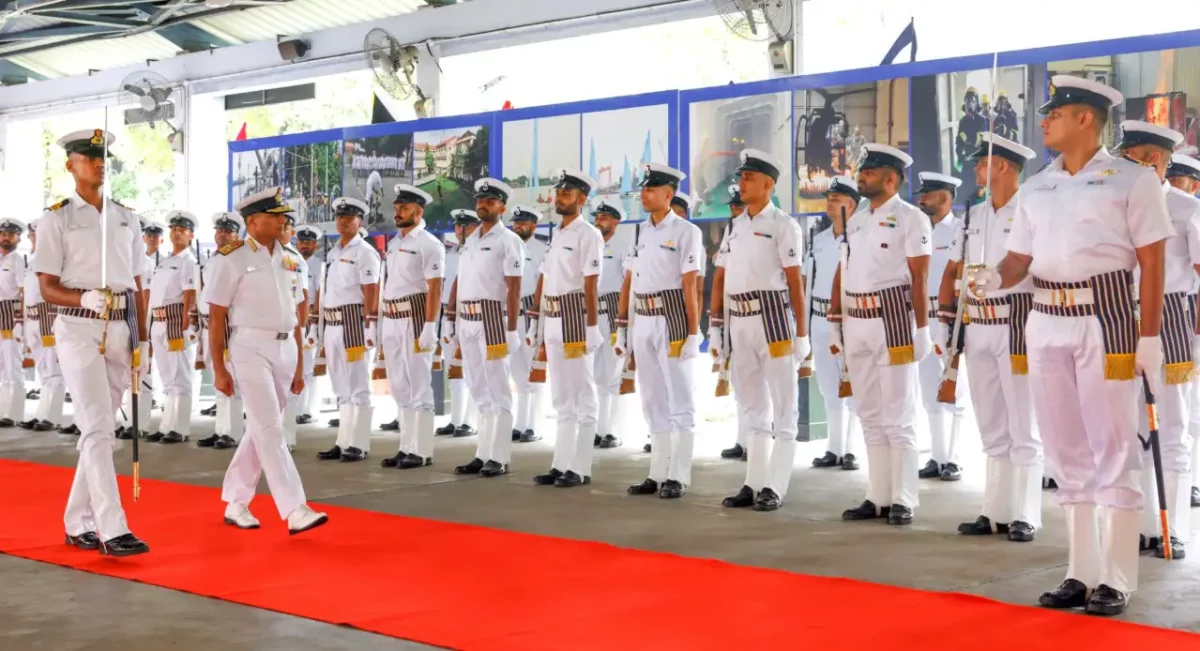
Chief of the Naval Staff (CNS) Admiral Krishna Swaminathan undertook a two-day visit to the Southern Naval Command (SNC) at Kochi beginning on 29 July 2026, where he reviewed the command’s operational preparedness, training ecosystem and ongoing capability enhancement initiatives. The visit underscored the Indian Navy’s continued emphasis on strengthening operational excellence while fostering a technologically advanced and people-centric maritime force.




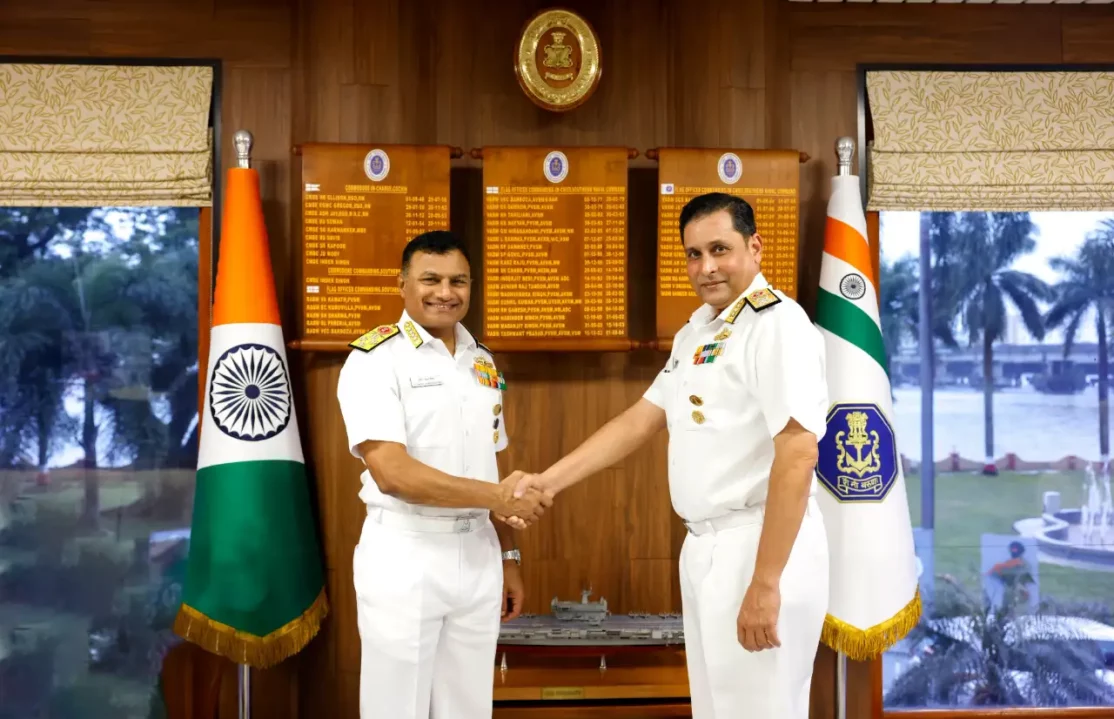
Upon his arrival at Southern Naval Command, Admiral Krishna Swaminathan was received by Vice Admiral Sameer Saxena, Flag Officer Commanding-in-Chief (FOC-in-C), Southern Naval Command. During the visit, the Naval Chief was briefed on the command’s operational activities, ongoing training programmes and major infrastructure and capability development projects aimed at enhancing the Navy’s preparedness to meet evolving maritime security challenges.
The comprehensive briefing covered the command’s role in officer and sailor training, operational support functions and initiatives to integrate modern technologies into naval education and fleet readiness. Admiral Swaminathan also reviewed projects designed to improve operational efficiency, technical proficiency and mission preparedness across various naval domains.
Southern Naval Command, headquartered in Kochi, serves as the Indian Navy’s premier training command and plays a pivotal role in shaping the future leadership of the service. It oversees the professional training of officers, sailors and specialist personnel through a network of advanced training establishments and institutions. The command is responsible for developing doctrinal expertise, technical skills and operational competence, ensuring that naval personnel are prepared for the complex challenges of modern maritime warfare.
The visit highlighted the Indian Navy’s continued focus on building a force capable of operating effectively across the full spectrum of naval operations, ranging from conventional warfare and maritime security to humanitarian assistance, disaster relief and multinational engagements. As maritime threats become increasingly sophisticated, the Navy has intensified efforts to modernise its training methodologies, incorporate emerging technologies and strengthen operational resilience.
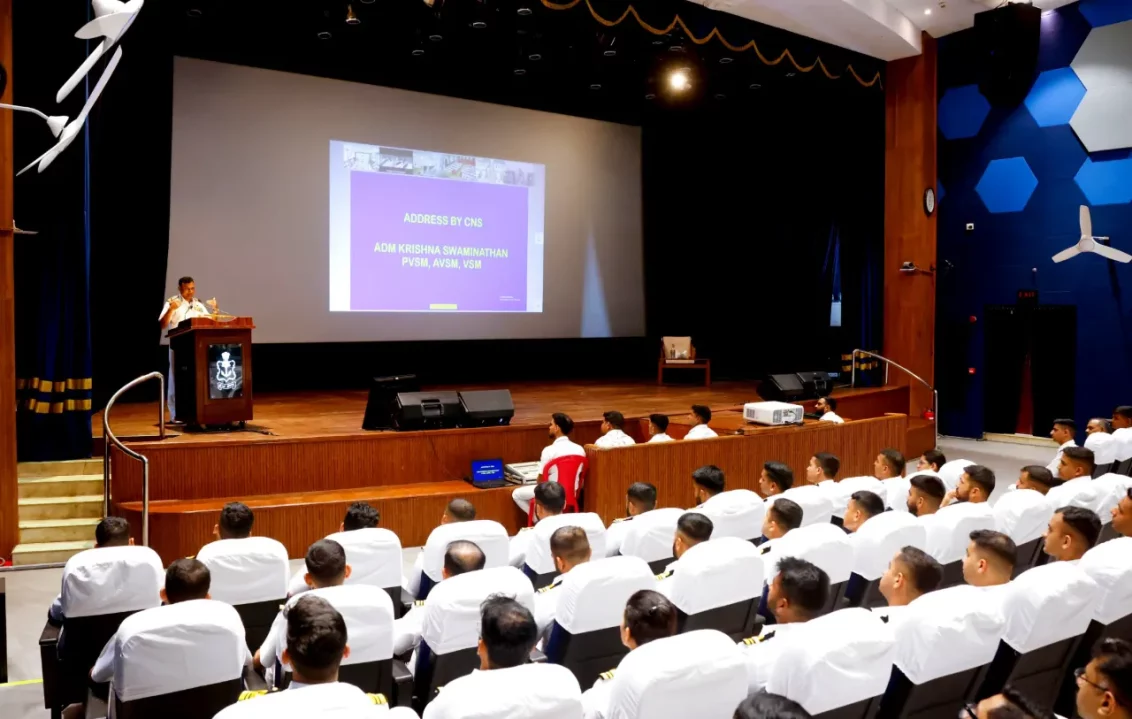
A key theme of the visit was the Indian Navy’s “People First and Always” philosophy, which places personnel welfare, professional development and leadership at the centre of force modernisation. The approach recognises that highly trained, motivated and technically skilled sailors and officers remain the foundation of combat effectiveness and operational success.
The review also reflected the Navy’s broader vision of transforming itself into an agile, adaptive and technologically advanced maritime force capable of responding rapidly to emerging security challenges in the Indian Ocean Region and beyond. Investments in modern training infrastructure, simulation technologies, digital learning platforms and advanced operational doctrines are central to this transformation.
Southern Naval Command continues to play a crucial role in supporting this objective by producing professionally competent officers and sailors equipped to operate advanced warships, submarines, naval aircraft and network-centric combat systems. Its training institutions regularly update curricula to incorporate lessons from evolving operational environments, technological advancements and joint-service requirements.
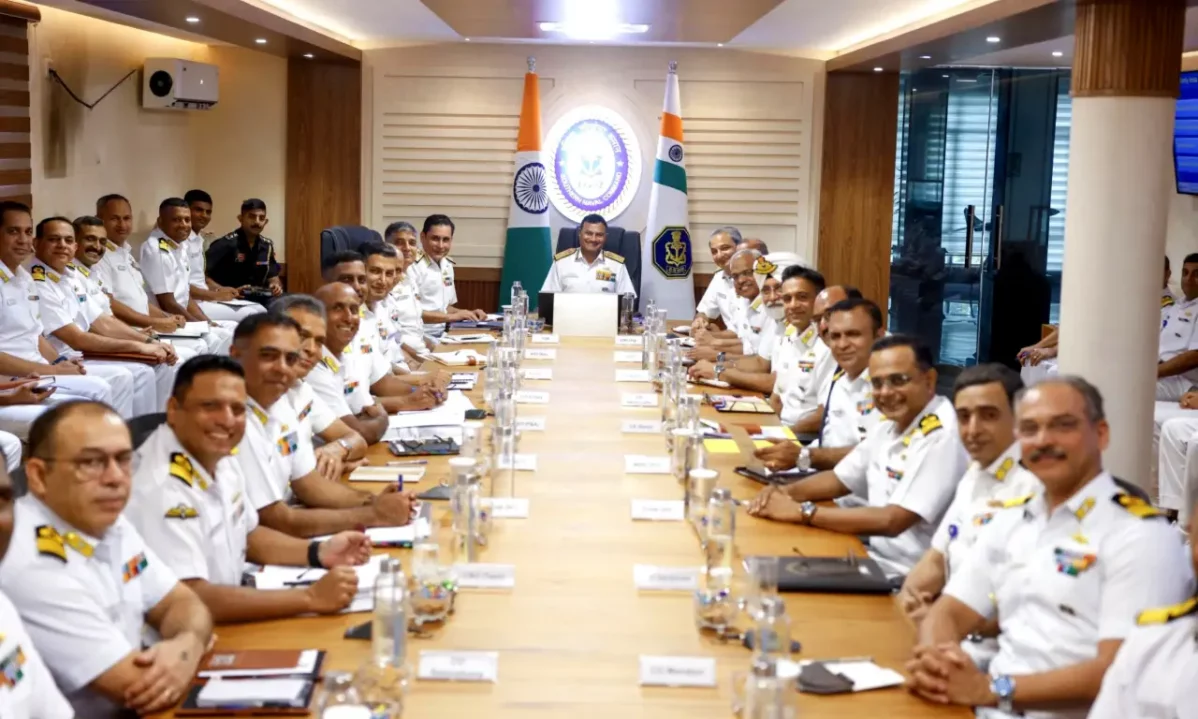
The Chief of the Naval Staff’s visit reaffirmed the Indian Navy’s commitment to maintaining the highest standards of operational preparedness while investing in the professional growth and technical expertise of its personnel. By reviewing ongoing capability enhancement projects and interacting with the command leadership, Admiral Krishna Swaminathan reinforced the Navy’s resolve to build a future-ready force capable of safeguarding India’s maritime interests and effectively executing missions across the entire spectrum of naval operations.