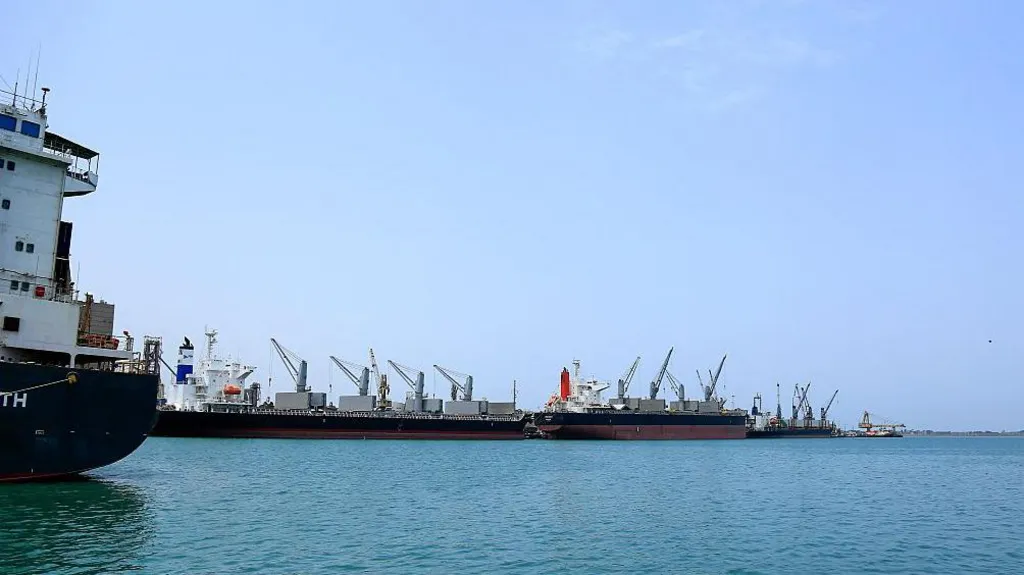
An Indian-flagged cargo vessel, MSV Faize Noore Oliya, sank off the coast of Yemen after being struck by a projectile, marking the latest incident in the increasingly volatile Red Sea region. Despite the attack, all 14 crew members on board, including 13 Indian nationals, were rescued safely.





India’s Union Minister for Ports, Shipping and Waterways, Sarbananda Sonowal, confirmed the successful rescue of the crew and condemned the incident as an “unprovoked attack.” He stated that the Government of India would continue to take all necessary measures to ensure the safety and security of Indian seafarers operating in high-risk maritime regions.
The Ministry of External Affairs also expressed concern over the attack, describing repeated assaults on commercial shipping in the region as “deeply worrisome.” The ministry stressed that attacks on merchant vessels must cease immediately and called for the restoration of free, safe and uninterrupted navigation through international waterways in accordance with international law.
The identity of those responsible for the attack has not been officially confirmed. However, Yemen’s internationally recognised government reportedly accused the Iran-backed Houthi movement of carrying out the strike using an explosive-laden boat. The Houthis had not publicly commented on the allegation at the time of reporting.
The incident comes amid escalating security challenges in the Red Sea and surrounding waters, which have become increasingly important for global shipping following disruptions in the Strait of Hormuz. Since tensions in the Gulf escalated earlier this year, many commercial vessels have diverted through the Red Sea as an alternative route.
However, the security situation along this corridor has also deteriorated significantly. The Houthis announced a blockade of Saudi Arabia’s Red Sea ports in July, and maritime security agencies, including the United Kingdom Maritime Trade Operations (UKMTO), have reported multiple attacks on commercial vessels in recent weeks.
The continuing instability has raised concerns across the global shipping industry, with merchant vessels facing increased risks while transiting one of the world’s most strategically important maritime corridors. The Red Sea serves as a vital link between Europe, Asia and the Middle East, carrying a significant share of global trade and energy supplies.
Despite the heightened security risks, international diplomatic efforts aimed at easing tensions in the region are continuing. Recent discussions involving the United States and regional stakeholders have focused on restoring maritime security and reopening critical sea lanes, although no comprehensive agreement has yet been reached.
The sinking of the MSV Faize Noore Oliya highlights the persistent dangers confronting commercial shipping in the region and reinforces the urgent need for enhanced maritime security measures to protect international trade routes and civilian seafarers operating in conflict-affected waters.