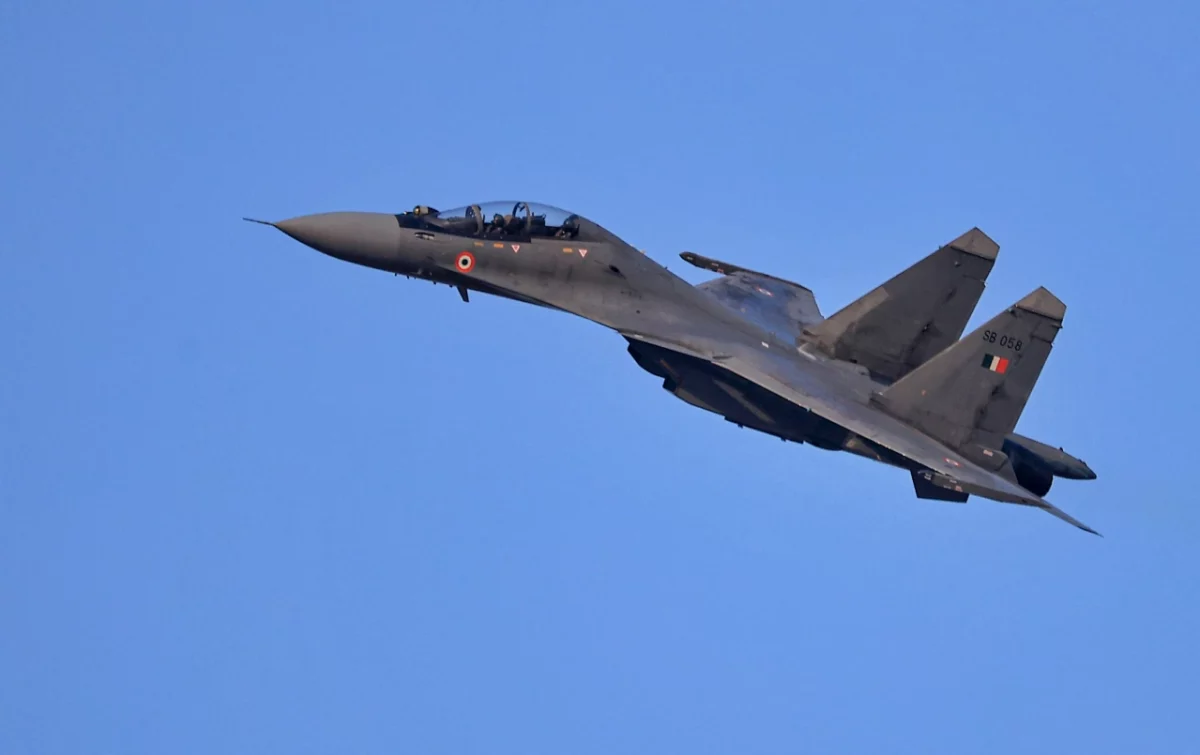
Hindustan Aeronautics Limited (HAL) is set to revive the dormant Sukhoi fighter production line at its Nashik facility, marking a significant development in efforts to strengthen the Indian Air Force’s combat fleet and expand indigenous aerospace manufacturing.





According to a report by The Economic Times cited by Moneycontrol, the Nashik facility is expected to target the delivery of around 12 Sukhoi fighter aircraft to the Indian Air Force by 2028–29. The first aircraft from the revived production line is reportedly expected to be delivered during 2027–28.
The development comes at a critical time for the Indian Air Force, which currently operates around 29 active fighter squadrons against a sanctioned strength of 42. The gap has increased pressure on the service to accelerate the induction of new aircraft while extending the operational life and capabilities of existing platforms.
The Nashik facility has a significant history of Sukhoi production. It had manufactured 222 fighter aircraft for the Indian Air Force before completing the earlier production order around 2019–20. Following the completion of that programme, the facility shifted largely towards repair and overhaul activities and preparations for another production line for the Light Combat Aircraft.
The revival of the Sukhoi production line follows the December 2024 order for additional fighter aircraft intended, among other requirements, to compensate for aircraft lost in operations and accidents. The renewed manufacturing effort is expected to provide additional capacity for the IAF’s Su-30MKI fleet.
A major feature of the renewed programme will be greater indigenous participation. HAL is reportedly planning to use around 50 percent Indian-made components in the production of the new aircraft. This would strengthen domestic aerospace supply chains and contribute to the broader objective of reducing dependence on imported components.
The Nashik facility will not only focus on manufacturing additional Sukhoi aircraft but will also play a role in upgrading the IAF’s existing Su-30MKI fleet. The proposed upgrade programme is estimated to involve an expenditure of around Rs 60,000 crore, according to the report.
The upgrade programme is expected to involve the Defence Research and Development Organisation (DRDO), along with Indian private-sector companies that would manufacture critical components. The involvement of multiple domestic stakeholders is expected to expand the industrial ecosystem supporting the Su-30MKI fleet.
The planned modernisation is aimed at enhancing the capabilities of the existing Sukhoi fleet and ensuring that the aircraft remain relevant to the changing operational environment. The Su-30MKI forms one of the most important elements of the IAF’s fighter force, making its continued availability and capability enhancement strategically significant.
The revival of production at Nashik therefore represents more than the reopening of an aircraft assembly line. It combines additional fighter production, fleet modernisation, indigenous component development and greater participation of India’s defence industrial base.
With the IAF simultaneously pursuing the induction of indigenous platforms and additional advanced fighters, the renewed Sukhoi production line is expected to provide an additional avenue for strengthening fleet numbers while supporting the long-term modernisation of one of India’s principal combat aircraft fleets.