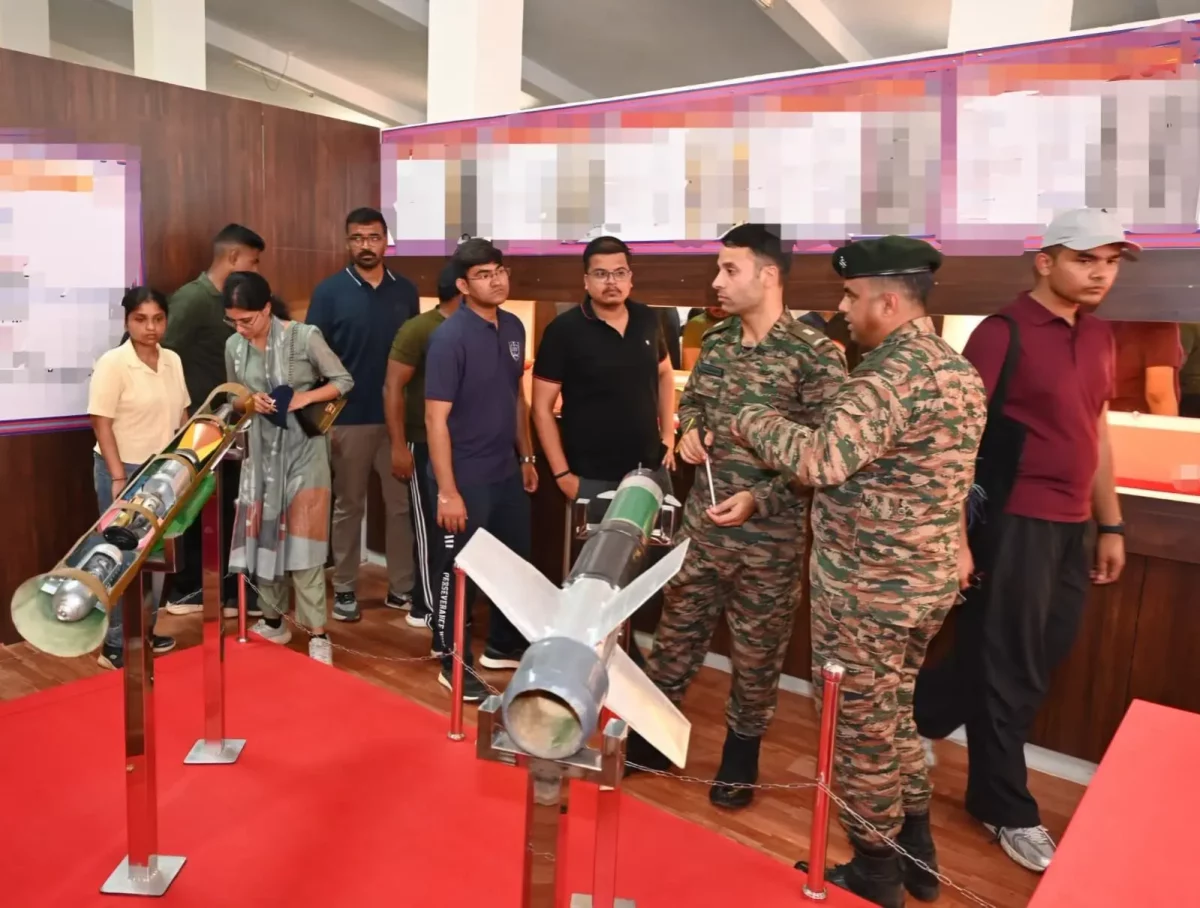
Indian Revenue Service (IRS) officer trainees from the National Academy of Direct Taxes (NADT) completed a five-day attachment with the Indian Army, gaining first-hand exposure to the military way of life as well as the operational realities and challenges faced by troops deployed in the Rann and Creek sectors of Gujarat.





The immersive engagement was conducted as part of the broader Military Civil Fusion initiative, aimed at strengthening interaction between the Armed Forces and civilian institutions and fostering a deeper understanding of each other’s roles, responsibilities and operating environments.
During the attachment, the officer trainees were exposed to the distinctive conditions prevailing in the Rann and Creek areas, where personnel operate in a demanding terrain characterised by difficult geography and challenging environmental conditions. The engagement provided the trainees an opportunity to understand the realities of military deployment in these strategically significant areas and the requirements of maintaining operational preparedness in such an environment.
The interaction also offered insights into the daily routine, discipline, organisational structure and professional ethos that underpin military service. Such exposure is particularly significant for civil service officers, whose responsibilities often intersect with national security, administration, border-area development and governance.
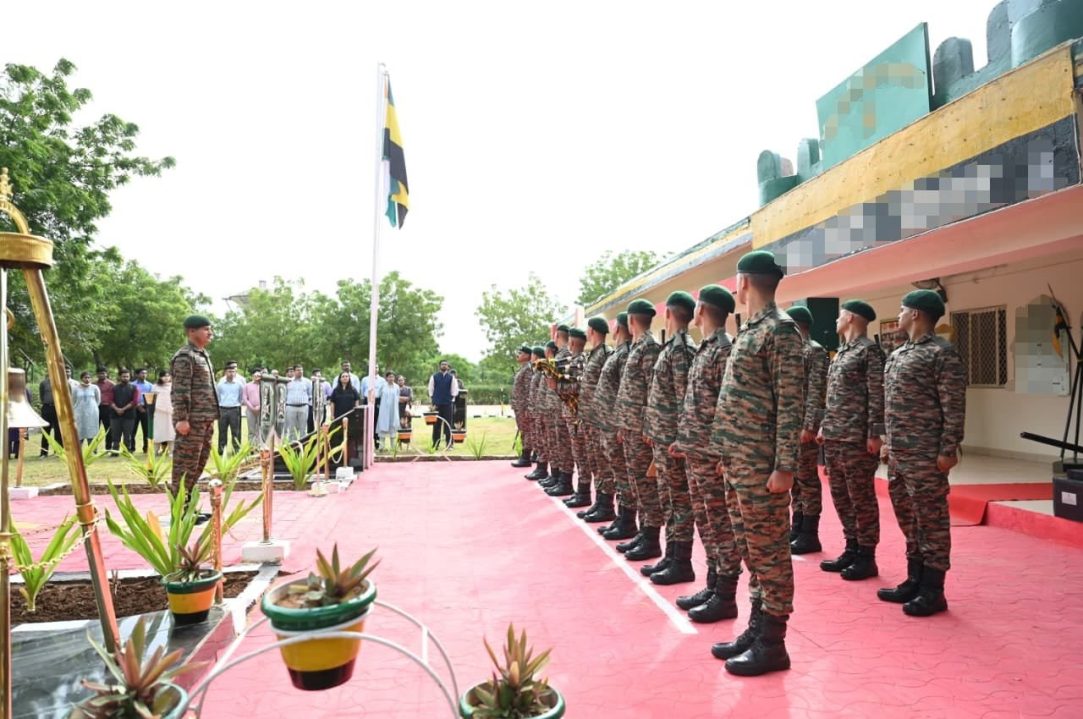
The five-day programme facilitated direct interaction between the IRS officer trainees and Army personnel, allowing both sides to gain a better appreciation of their respective institutional responsibilities. For the trainees, the attachment provided a practical understanding of the challenges encountered by troops on the ground, beyond what can be gained through classroom-based instruction.
The initiative reflects the importance of greater civil-military interaction in strengthening national institutions. Military Civil Fusion seeks to build bridges between uniformed services and civilian organisations by encouraging professional exchanges, shared learning and greater awareness of operational and governance requirements.
For the Indian Army, engagement with civilian institutions also contributes to a broader understanding of the administrative and governance ecosystem within which military formations operate. For civil servants, exposure to the Armed Forces can provide valuable perspective on the operational dimensions of national security and the demands associated with maintaining security in challenging frontier environments.
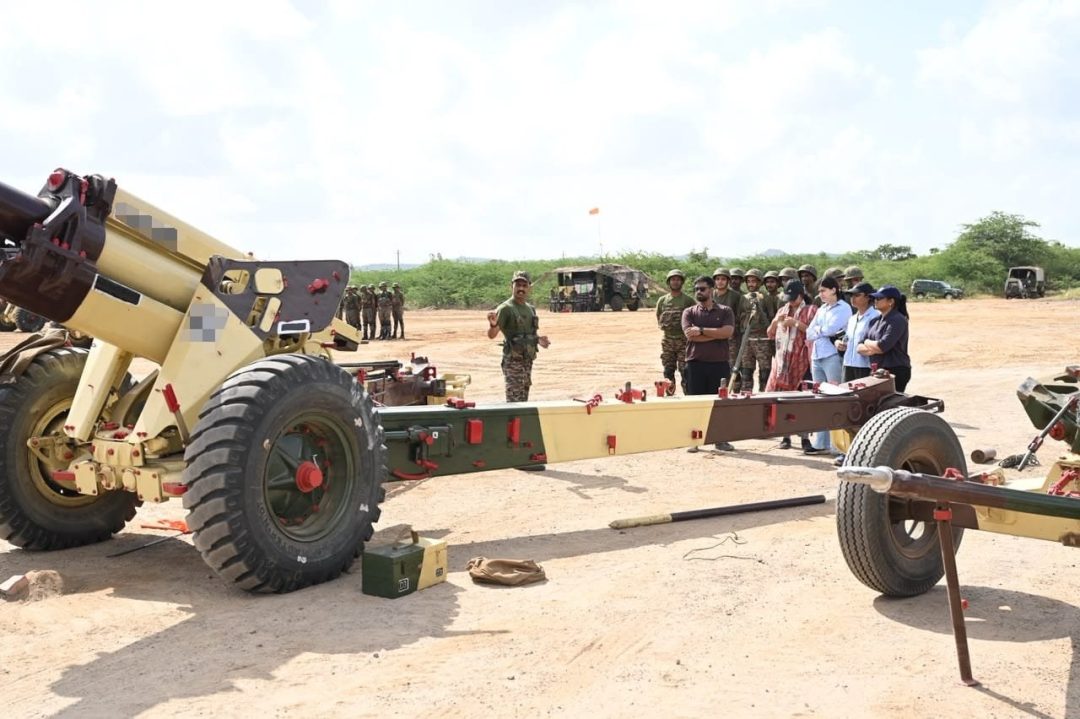
The Rann and Creek sectors of Gujarat have their own distinct operational and environmental characteristics, making them an important setting for such an immersive programme. The attachment enabled the officer trainees to appreciate how military personnel adapt to demanding conditions while maintaining vigilance, discipline and operational effectiveness.
Beyond professional exposure, the programme was aimed at cultivating mutual respect and institutional understanding. Direct interaction between officers from the civil administration and the Armed Forces can help strengthen coordination and communication, particularly in areas where security, governance and development objectives intersect.
The engagement also reaffirmed the shared responsibilities of India’s civil and military institutions towards national security and effective governance. While the Armed Forces remain responsible for safeguarding the nation’s territorial integrity and security, civilian institutions play a critical role in administration, economic governance, public policy and nation-building.
The five-day attachment therefore served as more than an orientation programme. It provided the IRS officer trainees with an immersive perspective of military life and the operational challenges of troops deployed in the Rann and Creek sectors, while strengthening the institutional bonds between the Indian Army and India’s civilian administrative framework.
Such initiatives can contribute to a stronger whole-of-government approach to national security, where different institutions understand their respective roles and work with greater coordination. The interaction between NADT officer trainees and Army personnel ultimately reaffirmed a common commitment to national security, effective governance and nation-building.