

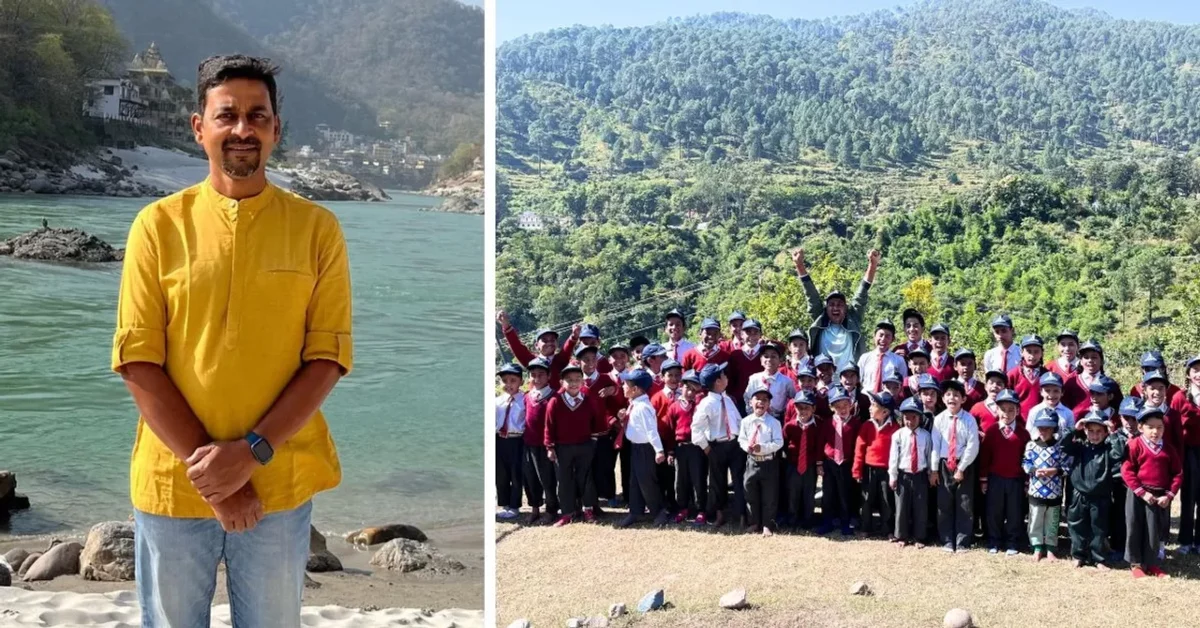
In the mountains of Uttarakhand, where difficult terrain, migration and limited educational infrastructure continue to challenge rural schooling, retired Army Major Rohit Chaudhary is trying to create a different kind of future for children.





At Happy By Nature School in Dunda, Uttarkashi, Chaudhary has helped transform a struggling institution that once had only around 30 students into a school now serving approximately 180 children. The school combines conventional academics with practical learning, technology, environmental education, creativity, teamwork and exposure to experiences that children in remote mountain communities may otherwise find difficult to access.
For Chaudhary, the objective goes beyond improving examination results. He wants children to develop the confidence to think independently, communicate clearly, discover their talents and imagine futures that are not limited by where they were born.
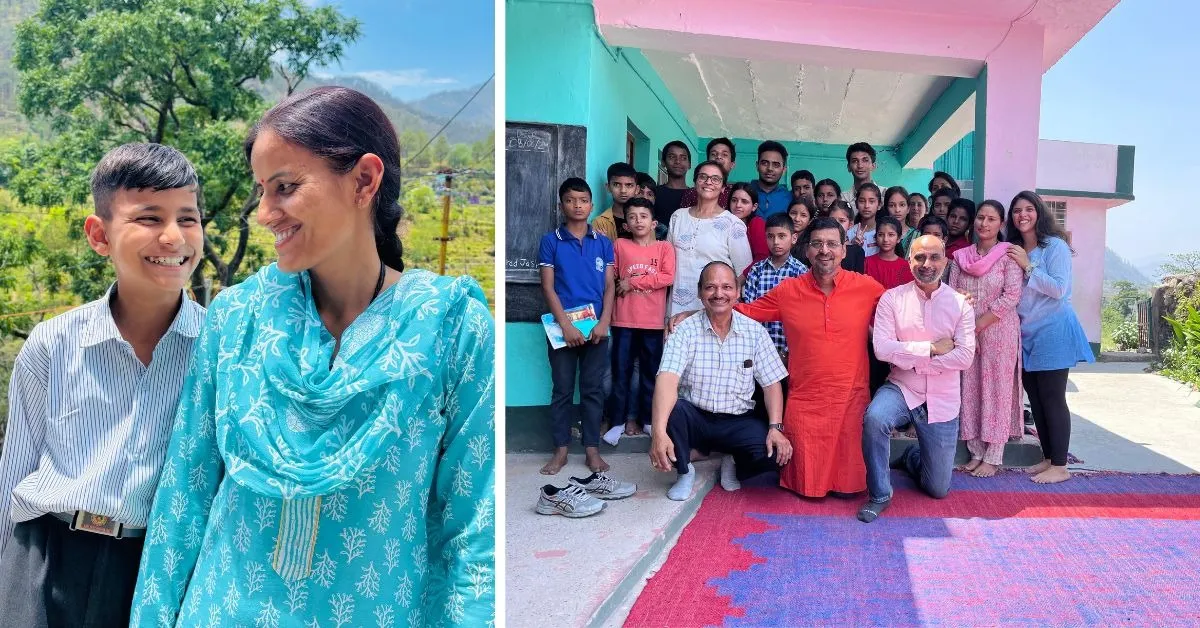
From 30 Students to 180: The Transformation of Happy By Nature School
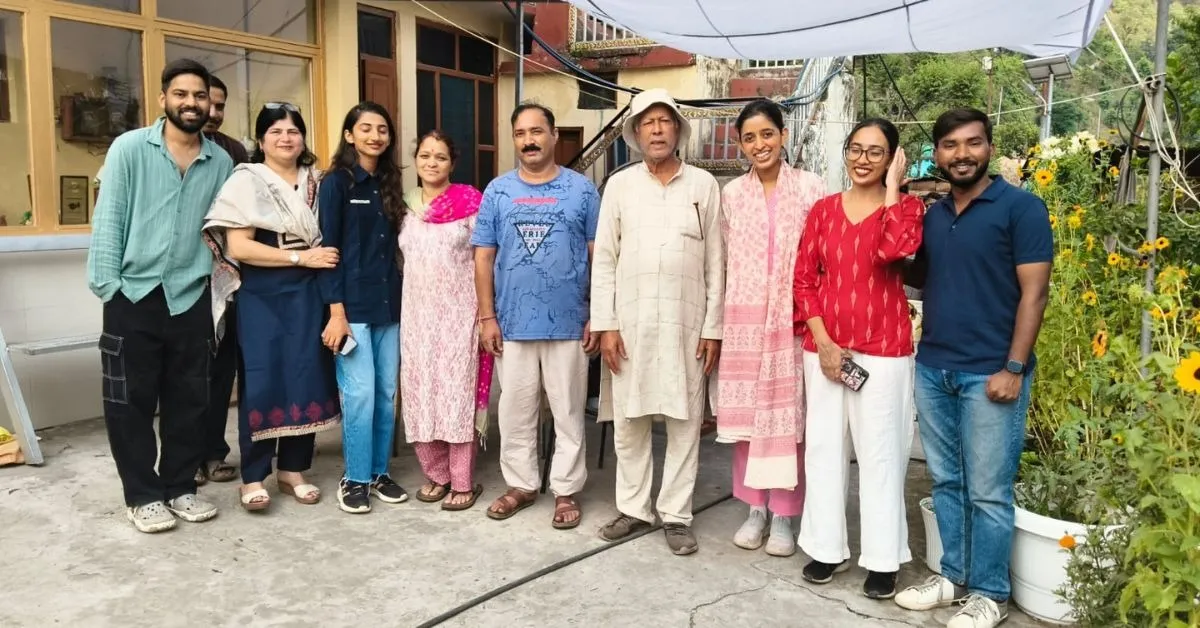
Chaudhary, 56, joined the Ganga Valley Educational Trust (GVET) as its Managing Trustee in 2022. By then, he had already developed a strong connection with Happy By Nature School, having first visited the institution several years earlier. The school is located in Dunda, at an elevation of approximately 1,158 metres above sea level, and provides education from nursery to Class 8 following the NCERT pattern.
When Chaudhary first saw the school, however, its condition was far removed from the institution he envisioned.There were only around 30 children, inadequate furniture, limited learning material and too few teachers. Students were reportedly reusing textbooks and notebooks, while the overall condition of the school suggested that its future was uncertain.Yet one thing immediately stood out to him: the children.
They were energetic, curious and eager to learn. They asked questions, participated enthusiastically and showed a natural desire to explore the world around them. For Chaudhary, that was enough to make the school difficult to forget.
An Unexpected Journey From the Army to Education
Chaudhary’s own journey has taken him through three very different worlds: the Indian Army, the corporate sector and rural education. He served in the Indian Army from 1990 to 2004, before moving into the corporate sector, where he worked until 2021. He grew up in Dehradun and studied at the Rashtriya Indian Military College, an experience that shaped his understanding of discipline and responsibility.
Those values would eventually influence his approach to education. But discipline, in his vision, is not simply about rules and routine. He wants students to combine discipline with curiosity, independent thinking and a sense of responsibility towards society.
His decision to enter education was not the result of a conventional career plan. Instead, it grew out of his experience at Happy By Nature School and his growing belief that children in remote communities should not be denied opportunities simply because of their location. After the COVID-19 pandemic, that conviction became stronger.
Chaudhary began reflecting on his own life and on how easily the absence of educational opportunities can narrow a child’s ambitions. For children growing up in remote mountain communities, limited access to quality education can become a barrier long before they have an opportunity to discover what they are capable of achieving. Eventually, he decided to leave his corporate career and devote himself to the school.
Beyond Textbooks: A Different Approach to Rural Education
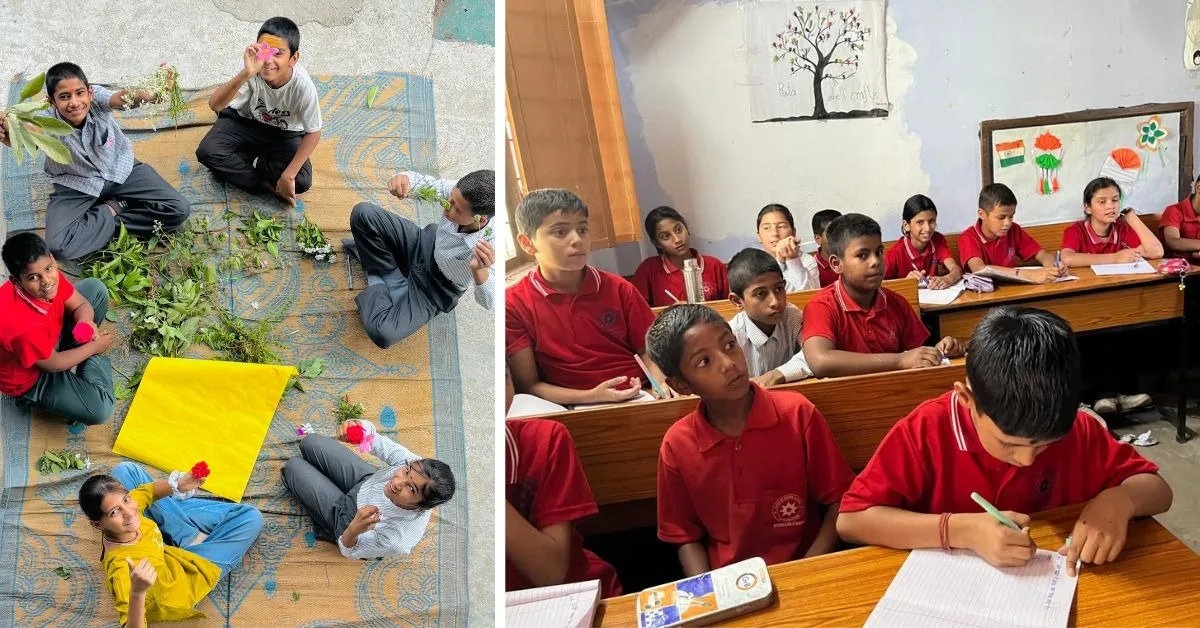
The philosophy at Happy By Nature School is built around the idea that education should not end with textbooks and examinations. Students are encouraged to learn through experiments, activities, discussions and direct experiences. Science is one example. Rather than relying exclusively on theoretical explanations, teachers attempt to introduce practical activities wherever possible. Students can experiment with concepts and create their own notes as they work towards understanding them.
Anushka Nautiyal, who studied at Happy By Nature School before moving to another institution for Class 9, recalled that science learning at the school involved experiments rather than simply memorising information. The approach has helped students become more comfortable with asking questions and finding answers themselves.
Introducing Technology to Children in the Hills
Technology and electronics have also become part of the school’s learning environment. During one summer programme, volunteers introduced students to basic concepts involving Arduino, LEDs and electronic networks. For some volunteers, the children’s response was unexpected. Students were able to grasp concepts and demonstrate an understanding that challenged assumptions about what children in a rural school might be exposed to.
Such programmes are important because access to technology-based learning can vary dramatically between urban and remote schools. For Chaudhary, exposure is itself an opportunity. A child cannot aspire to become an engineer, designer, scientist or technology professional without first getting the chance to discover what those fields involve.
Music, Creativity and Discovering Hidden Talents
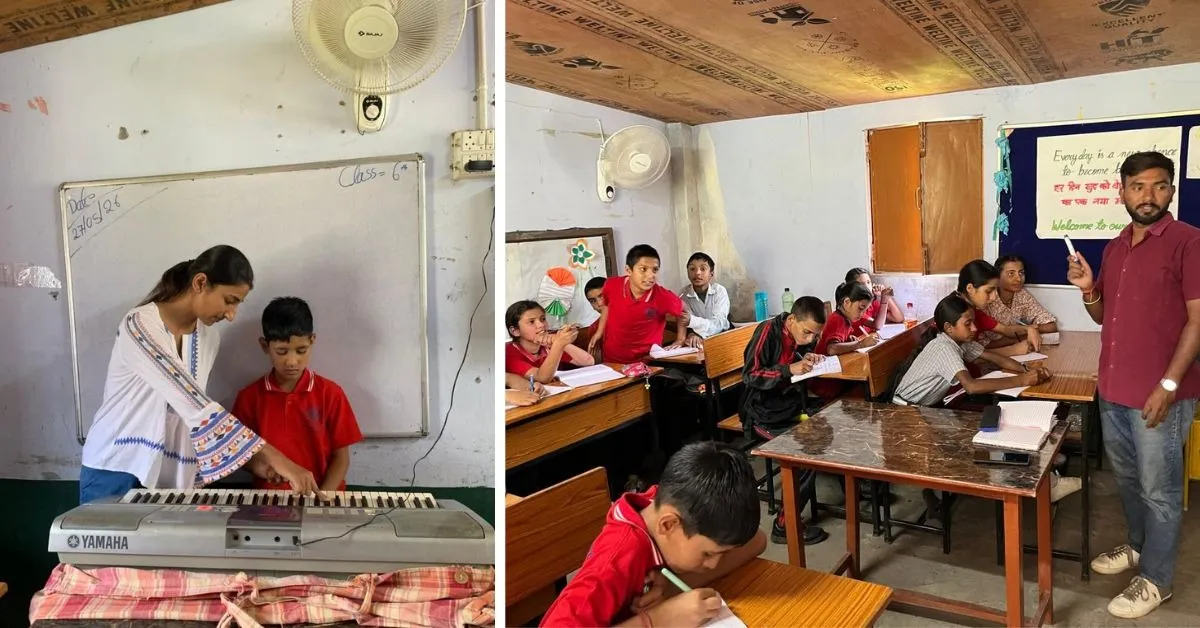
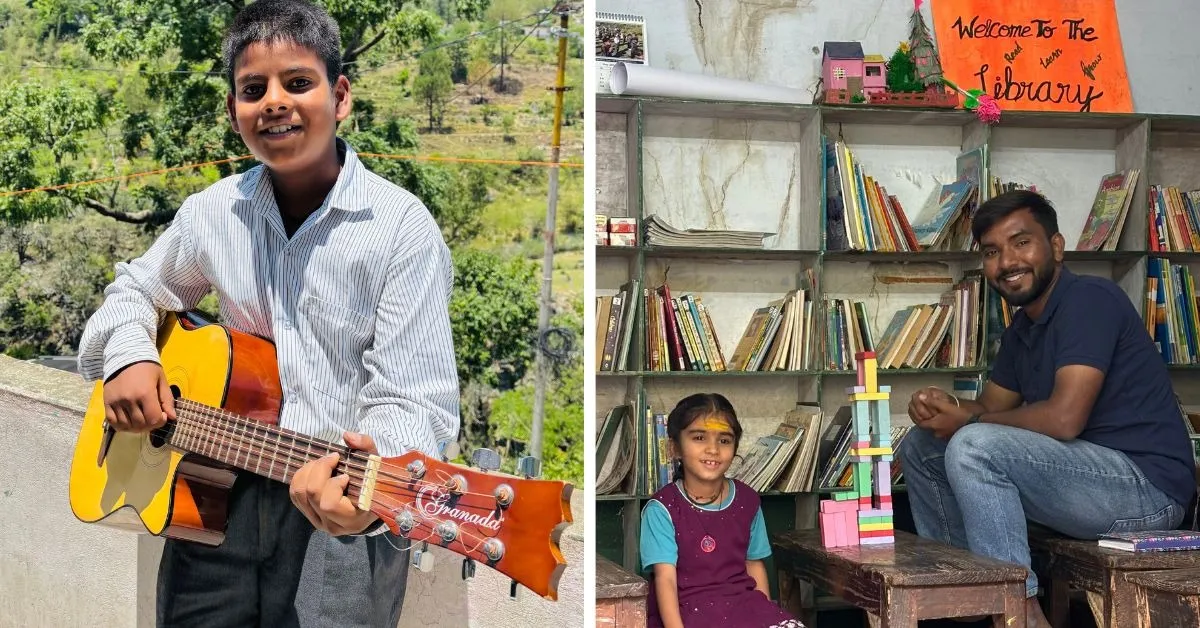
The school also attempts to identify abilities that may not be visible through conventional academic assessments. Music has emerged as one such area. During the summer school, children were introduced to keyboard playing and taught local Pahadi songs.
The experience demonstrated that students could quickly develop an interest in areas outside their regular curriculum when given access to teachers, instruments and encouragement. The wider objective is to ensure that children are not defined solely by their marks.
Art, music, technology, sports and practical activities can reveal strengths that traditional classroom assessments may overlook.
Connecting Children With the Himalayan Environment
Environmental education forms another important part of Happy By Nature School’s approach. Students have participated in activities involving afforestation, biodiversity, nature walks and food forests. For children growing up in Uttarakhand’s mountains, the environment is not an abstract classroom topic. Forests, water sources, agriculture and biodiversity are directly connected to everyday life.
The school therefore tries to make environmental learning practical and local. Students are encouraged to observe the ecosystem around them and understand how human activity affects the natural resources on which mountain communities depend. The aim is to create not only environmentally aware students but also young people who understand the relationship between their community and its surroundings.
Summer School Brings New Experiences to Uttarkashi
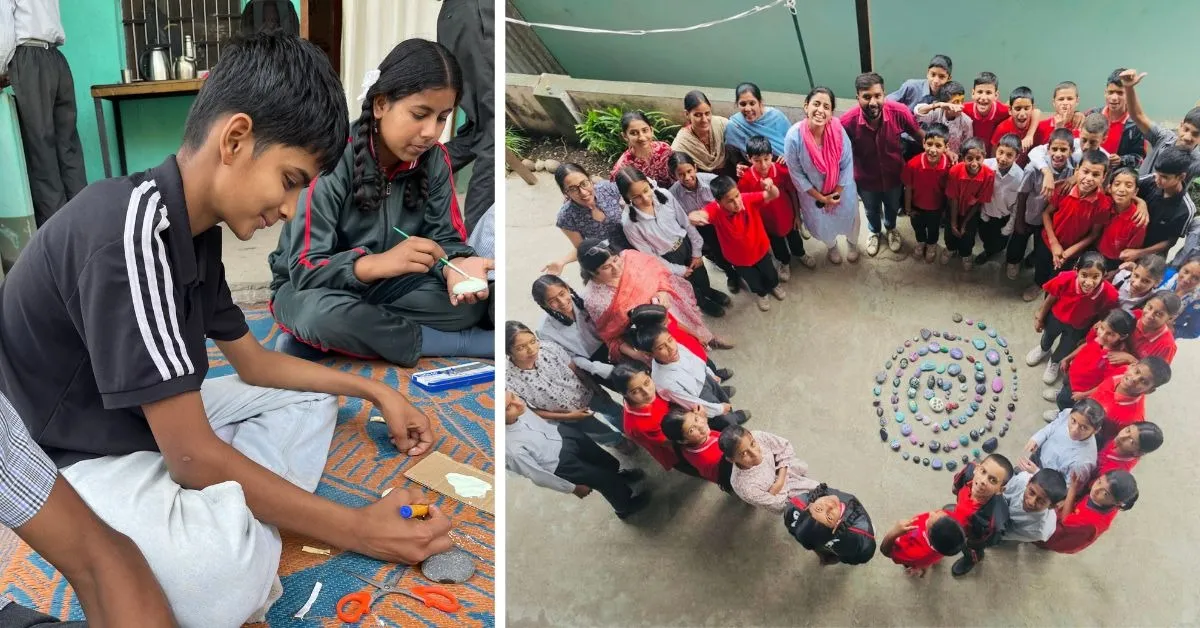
The school’s summer programmes have further expanded the range of learning opportunities available to students. Volunteers from different parts of India have travelled to the school to share knowledge in areas including psychology, early childhood education, music, technology, farming, art and crafts. The interaction has also worked in the opposite direction.
Some volunteers have said that they arrived expecting to teach the children but left having learnt from their resilience, enthusiasm and appreciation for opportunities that many urban children may take for granted. For the students, meanwhile, meeting people from different parts of the country provides exposure beyond the immediate boundaries of their village.
Education in the Hills Comes With Its Own Challenges
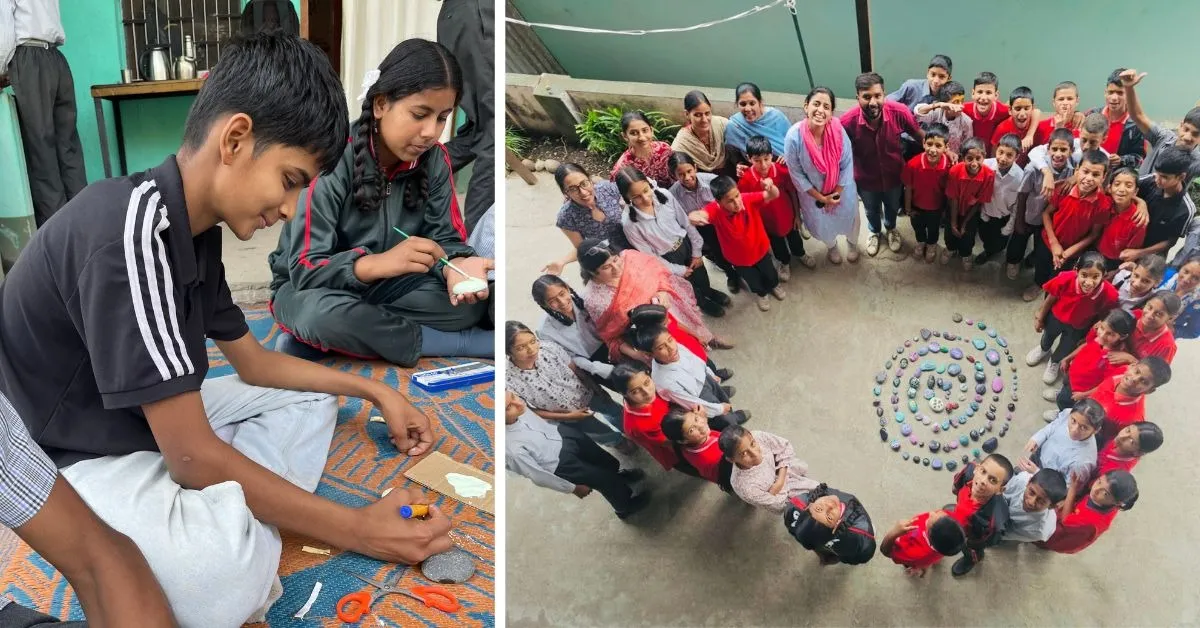
For many children in mountain villages, simply getting to school can be difficult. Some students travel several kilometres along winding and steep roads. Heavy rain, cold weather and difficult terrain can make the journey even harder. Yet attendance at Happy By Nature School has remained strong.
That is significant in a region where migration and difficult geography have contributed to declining enrolments in some schools. Several government and rural schools across the hill districts of Uttarakhand face the challenge of very small student populations.
Happy By Nature School is attempting to address the problem from another direction: by creating a school that children want to attend and parents believe can provide their children with meaningful opportunities. Its growth from approximately 30 students to around 180 reflects the response to that effort.
Working With Parents, Not Just Students
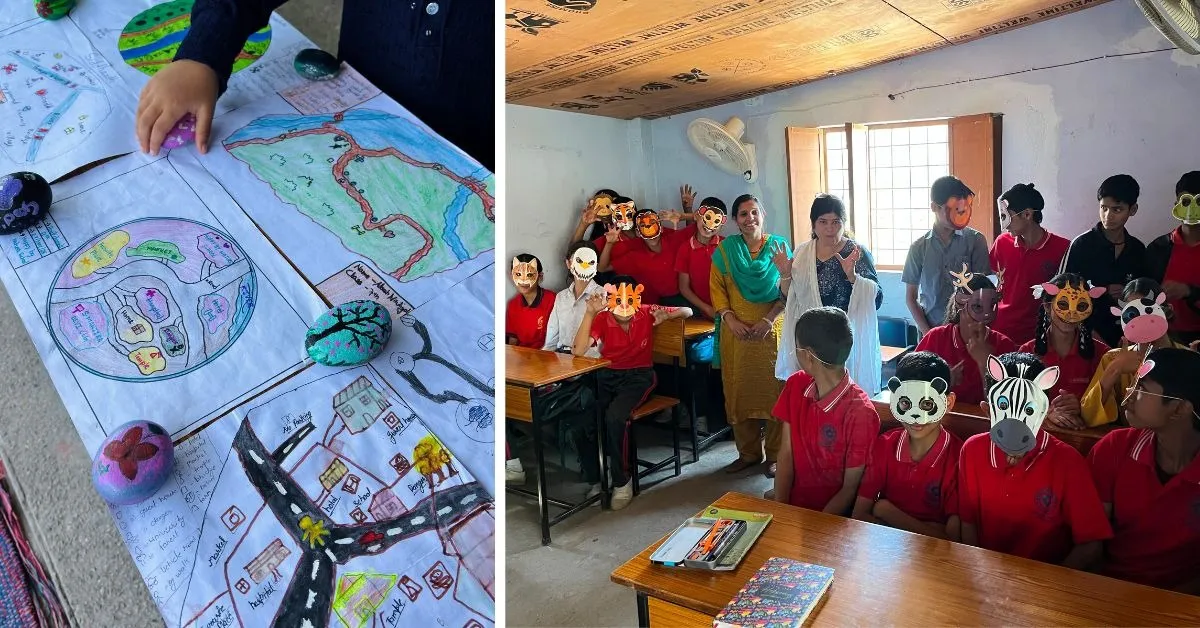
Chaudhary’s approach also extends beyond the classroom. The school conducts structured parent-teacher meetings, informal “chai pe charcha” sessions and parent association interactions. The conversations cover academic progress but also wider issues affecting children’s development, including cleanliness, sanitation and community participation.
Where children experience difficult circumstances at home, the school seeks to provide appropriate counselling and support while dealing with sensitive family situations carefully. This community engagement is particularly important because many of the school’s students are first-generation learners.
Parents may not always have had extensive educational opportunities themselves, but they are deeply invested in creating better futures for their children. The school therefore sees parents as partners in the educational process rather than simply recipients of information about their children’s marks.
Creating an Inclusive Environment
The school also seeks to provide an environment where children experience equality and inclusion. Students have discussed social issues such as caste discrimination and compared those experiences with the sense of equality they encounter inside the school.
For Chaudhary, this is another important dimension of education. A school should not merely teach children what is written in a textbook. It should also help them understand how to treat other people, how communities function and what responsible citizenship means.
A New Higher Secondary School for Uttarakhand’s Hill Students
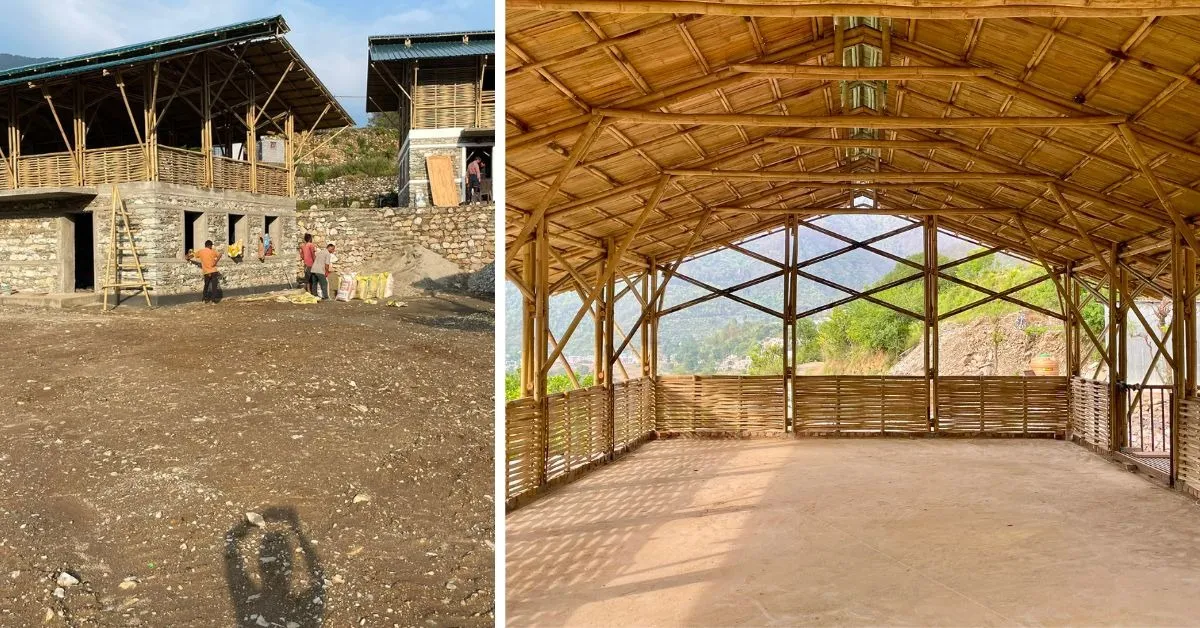
The vision for the initiative extends beyond Class 8. A higher secondary school is under construction in Singuni village to provide education for students from Classes 9 to 12.
The proposed school is expected to accommodate approximately 520 students and is being supported through nonprofit contributions raised in India and internationally. Spread across around 20,000 square feet, the new institution is planned with modern infrastructure and facilities.
For children currently studying at Happy By Nature School, the development could provide an opportunity to continue their education locally instead of having to leave their communities immediately after Class 8. That is particularly significant in mountain regions, where the lack of nearby secondary and senior-secondary schools can become an additional reason for families to move or send children away for education.
Can Better Education Help Counter Migration?
Migration is one of the most persistent challenges facing many villages in Uttarakhand. Young people and families often leave mountain communities in search of education, employment and better infrastructure.
Education alone cannot solve the problem. But creating quality schools within mountain communities can give families one less reason to leave during the early years of a child’s education.
Chaudhary’s broader vision is therefore not simply about improving one school. It is about demonstrating that quality education can be delivered in a remote Himalayan setting. If children can receive strong foundational and secondary education close to home, they may have greater freedom to decide what they want to do next rather than being forced to leave because educational options are unavailable.
From Military Values to Community Service
Chaudhary’s transition from the Army to education also reflects the way military values can find new applications in civilian life. Discipline, resilience, teamwork, leadership and service remain central to his philosophy. But the goal is not to make students follow a predetermined career path.
Instead, he encourages them to work hard, acquire knowledge and practical skills, establish secure futures and eventually contribute to their communities and the country. The idea is simple: education should create capable individuals who can make choices for themselves and then use their abilities responsibly.
Children Are Beginning to Dream Bigger
For some students, those opportunities are already influencing their ambitions. Angana Uniyal, who has studied at Happy By Nature School since nursery, dreams of becoming an IAS officer and serving the nation.
Her aspiration captures the larger purpose behind the school’s transformation. A child growing up in a mountain village should be able to dream about becoming an administrator, scientist, entrepreneur, musician, engineer, teacher or anything else—not because the school guarantees a particular outcome, but because it gives the child enough exposure and confidence to imagine one.
Building a Model for Rural Education in Uttarakhand
The transformation of Happy By Nature School is still underway. Teacher development, technology exposure, environmental education, music, sports, practical learning and community engagement remain important parts of the school’s continuing vision.
The planned higher secondary school in Singuni could take that vision further by creating a pathway for students beyond Class 8. From an institution with around 30 students and limited resources to one serving approximately 180 children, Happy By Nature School demonstrates what sustained attention, community participation and an expanded approach to education can achieve.
For Rohit Chaudhary, the central idea remains that geography should not determine the quality of a child’s education or the size of their dreams. In the hills of Uttarkashi, Happy By Nature School is attempting to prove that a rural school can be more than a place where children learn from textbooks.
It can be a place where they discover technology, understand their environment, develop their talents, build confidence, learn to work with others and begin imagining a future much larger than the boundaries of their village.
And perhaps that is the most important transformation of all: not simply taking a school from 30 students to 180, but giving hundreds of children the belief that where they come from does not have to determine where they can go.