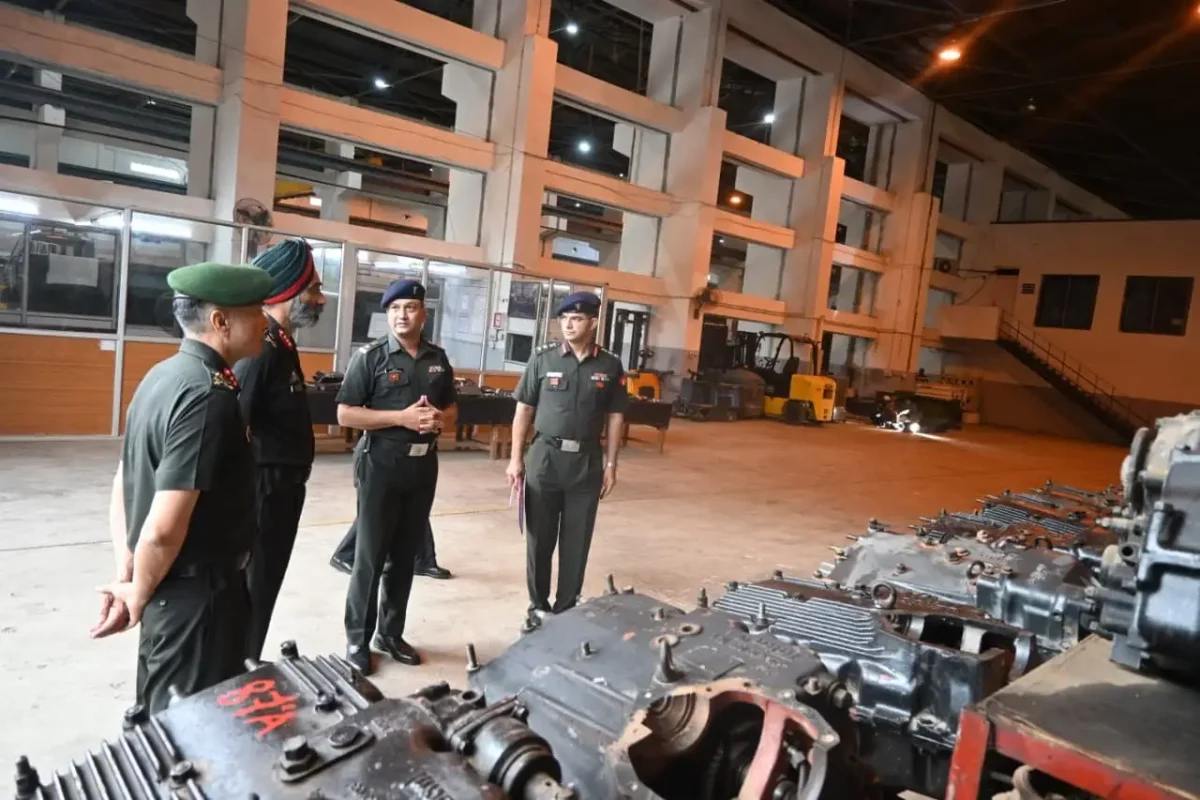
Lieutenant General HS Vandra, General Officer Commanding (GOC) Madhya Bharat Area, visited the 508 Army Base Workshop and healthcare facilities in Prayagraj to review equipment sustainment, repair and overhaul capabilities, healthcare delivery and ongoing modernisation initiatives.





During the visit, Lt Gen Vandra assessed the capabilities and ongoing efforts aimed at maintaining the operational availability of Army equipment. The review covered equipment sustainment, repair and overhaul activities, which form an important part of ensuring that military platforms and systems remain available for operational requirements.
Army base workshops play an important role in the maintenance ecosystem by undertaking repair, overhaul and other technical activities required to sustain military equipment. Effective equipment maintenance is particularly important for operational readiness, as the availability of serviceable platforms directly supports the ability of formations and units to meet their assigned tasks.
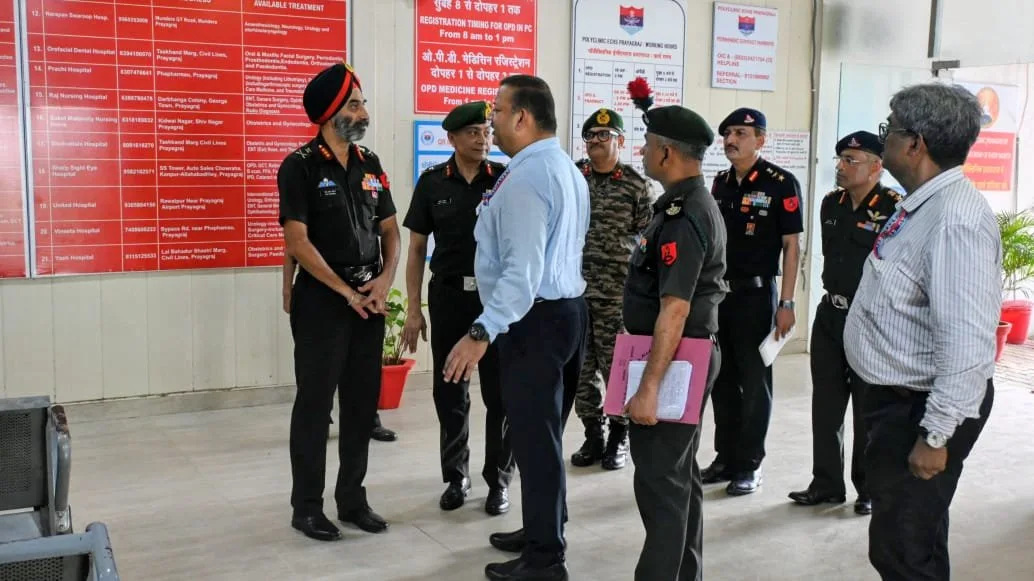
The GOC also reviewed healthcare facilities in Prayagraj, focusing on healthcare delivery and the ongoing initiatives aimed at improving services. Healthcare infrastructure is an important component of military welfare, supporting serving personnel as well as their families and veterans.
During his interaction with troops and healthcare teams, Lt Gen Vandra emphasised the importance of innovation, self-reliance, digital transformation and continuous improvement. These areas were highlighted as key enablers for improving operational efficiency as well as the quality of healthcare services.
The emphasis on innovation reflects the Army’s continuing efforts to identify new approaches to equipment maintenance and service delivery. As military systems become increasingly complex, technical organisations require updated processes and capabilities to sustain equipment throughout its operational life.
Self-reliance was another key focus during the visit. Strengthening indigenous capabilities in maintenance, repair and technical support can contribute to reducing dependence on external sources while improving the Army’s ability to sustain its equipment.
Digital transformation also has an increasingly important role in military logistics and equipment management. Digital systems can support more efficient monitoring, information management and coordination across maintenance and support activities. In healthcare, technology can similarly contribute to more responsive and efficient service delivery.
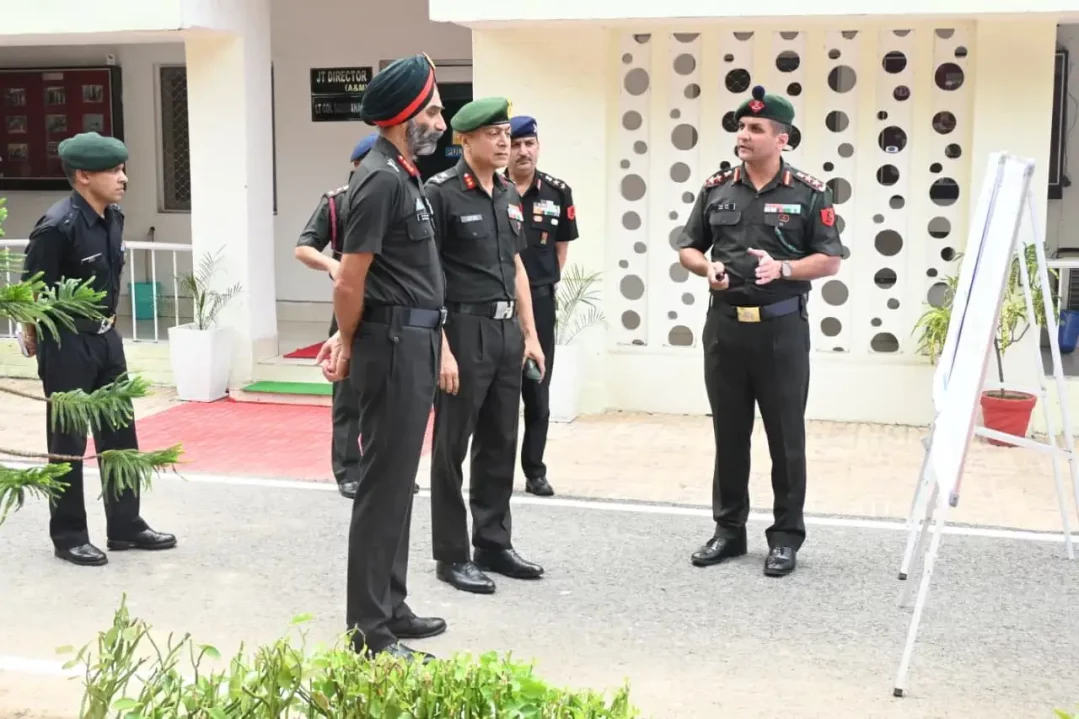
The interaction with troops provided the GOC with an opportunity to engage directly with personnel involved in equipment sustainment and other support functions. Engagement with healthcare teams similarly enabled him to review the human element behind the delivery of medical services.
The visit brought together two closely connected aspects of military preparedness: operationally ready equipment and responsive healthcare. While equipment sustainment supports the Army’s operational capability, healthcare services contribute to the well-being and readiness of its personnel.
The ongoing modernisation initiatives at 508 Army Base Workshop were therefore reviewed in the broader context of maintaining mission readiness. Repair and overhaul capabilities need to evolve alongside the equipment and technologies being inducted into the Armed Forces.
Continuous improvement was also emphasised during the GOC’s interactions. In a military environment, maintaining existing capabilities while simultaneously adapting to technological and operational changes requires regular assessment, innovation and refinement of processes.
The focus on quality of care similarly underlined the importance of ensuring that healthcare services remain responsive to the needs of troops, their families and veterans. The visit provided an opportunity to review healthcare delivery alongside the broader modernisation efforts taking place in the area.
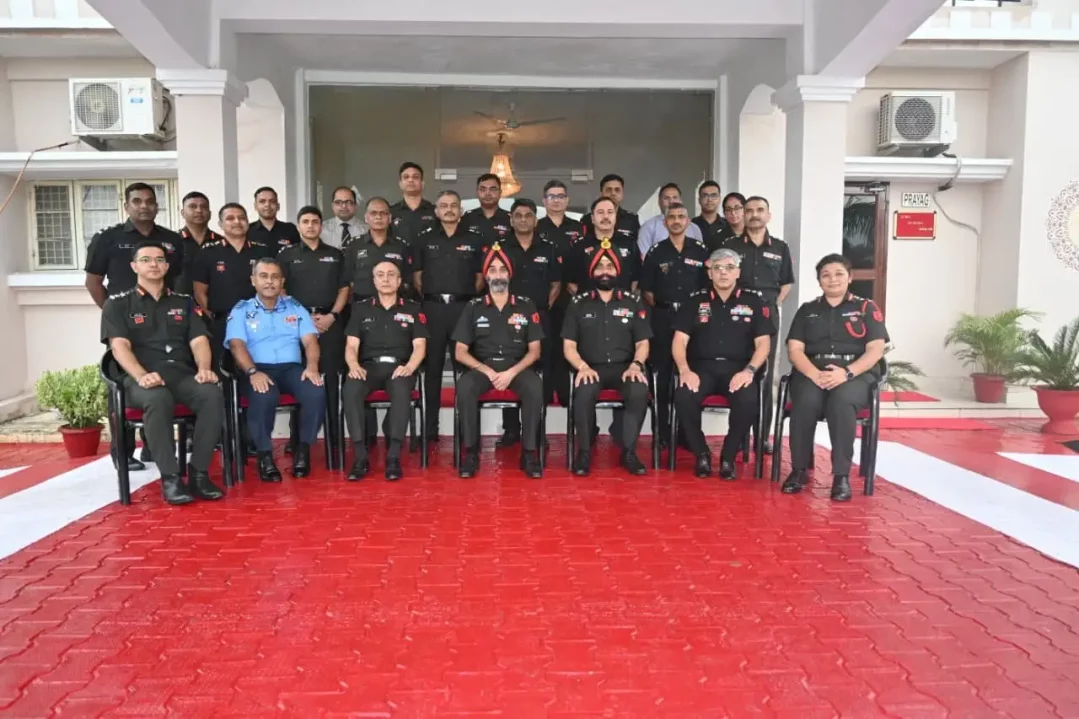
Madhya Bharat Area encompasses a range of Army formations, establishments and support infrastructure, making equipment sustainment and personnel welfare important components of its responsibilities. The GOC’s visit to Prayagraj provided an opportunity to assess these areas directly.
The emphasis on modernisation also reflects the changing requirements of contemporary military operations. Technological advancements are influencing not only frontline combat systems but also maintenance, logistics, healthcare and administrative processes that support military effectiveness.
For technical organisations such as 508 Army Base Workshop, this means maintaining a balance between sustaining existing equipment and adapting to newer technologies and maintenance requirements. Indigenous innovation and digital tools can play an important role in this transition.
The visit also highlighted the importance of personnel in translating modernisation initiatives into practical capabilities. Equipment, infrastructure and digital systems ultimately depend on trained and committed personnel for their effective utilisation and management.
By interacting with troops and healthcare teams, Lt Gen Vandra reinforced the importance of professional commitment and continuous improvement across both operational support and welfare functions.
The visit to Prayagraj consequently focused on the Army’s broader objective of ensuring that its support systems remain aligned with operational requirements. Mission-ready equipment, effective sustainment capabilities and responsive healthcare collectively contribute to maintaining the readiness and resilience of the force.
The review of 508 Army Base Workshop and healthcare facilities also underscored the interconnected nature of modern military preparedness. Operational efficiency depends not only on combat formations and weapon systems but also on the technical, logistical and healthcare infrastructure that sustains personnel and equipment.
Lt Gen HS Vandra’s visit thus reinforced Madhya Bharat Area’s focus on modernisation, innovation, self-reliance and digital transformation while placing equal emphasis on the welfare and healthcare of the Army community.
The central message emerging from the visit was clear: sustaining operational readiness requires both mission-ready equipment and personnel who receive responsive support and quality care. The initiatives reviewed in Prayagraj reflect this integrated approach towards strengthening military capability and improving services for troops, their families and veterans.