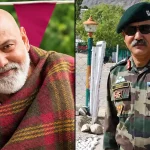

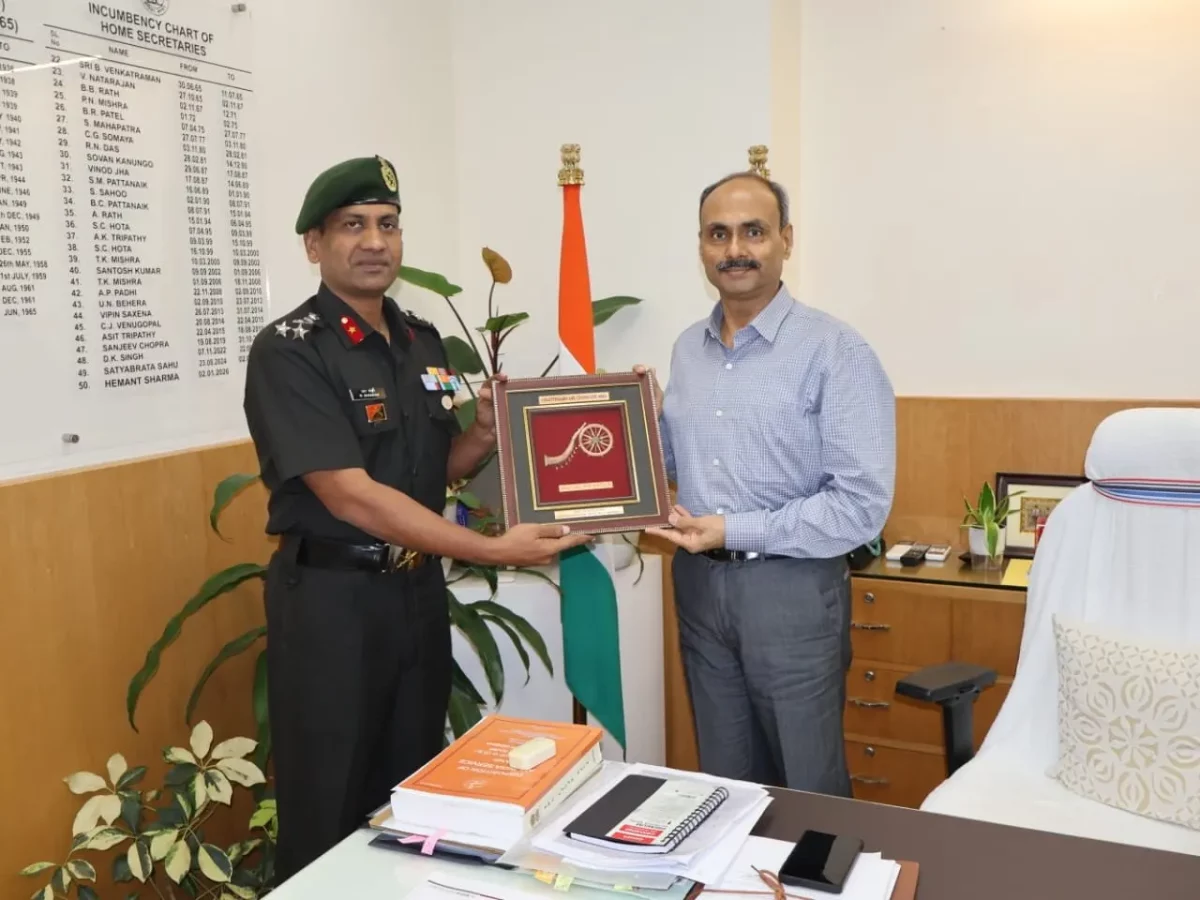
Brigadier R Shankar, Commander of the Chhattisgarh and Odisha Sub Area (COSA), held an interaction with Odisha Additional Chief Secretary (Home) Hemant Sharma, IAS, as part of efforts to strengthen military-civil cooperation and improve welfare measures for serving personnel, Agniveers and veterans.





The meeting focused on a range of administrative and welfare issues requiring coordination between the Indian Army and the Odisha government, with particular emphasis on opportunities available to personnel after completing their military service.
A key subject discussed during the interaction was reservation opportunities for Agniveers in government services. The two sides deliberated on measures that could facilitate suitable employment opportunities for Agniveers following completion of their tenure in the Armed Forces.
Post-retirement benefits and employment avenues for veterans were also discussed. The interaction highlighted the importance of creating effective mechanisms to support former service personnel as they transition from military service to civilian employment.
The meeting also covered land and infrastructure-related matters involving the Army and state administration. Such issues require sustained coordination between military formations and civilian authorities to ensure that administrative requirements are addressed efficiently.
Another important area of discussion was the revision of the State War Book, along with measures for strengthening coordination with the Rajya Sainik Board. The Rajya Sainik Board plays an important role in coordinating welfare initiatives for ex-servicemen, veterans, widows and their dependants at the state level.
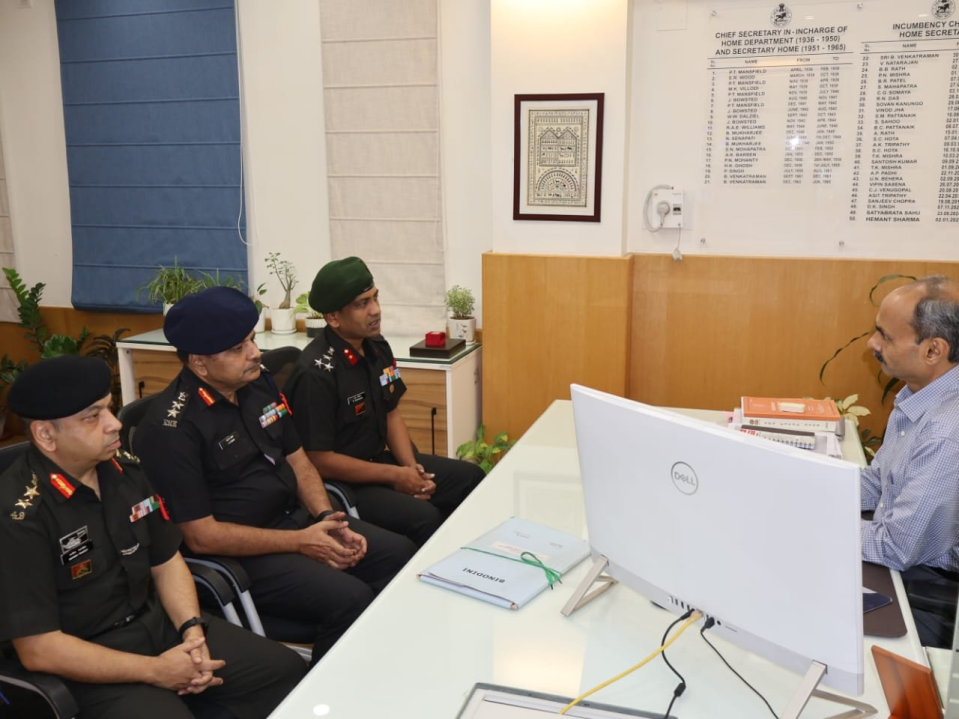
The interaction reflected the continuing engagement between the Indian Army and the Odisha civil administration on matters affecting military personnel, veterans and their families.
Brigadier R Shankar and the state administration reaffirmed their shared commitment towards responsive veterans’ welfare, stronger institutional coordination and effective resolution of administrative matters.
The engagement also underscored the broader role of military-civil cooperation in supporting serving personnel and veterans while contributing towards coordinated governance and nation-building.