

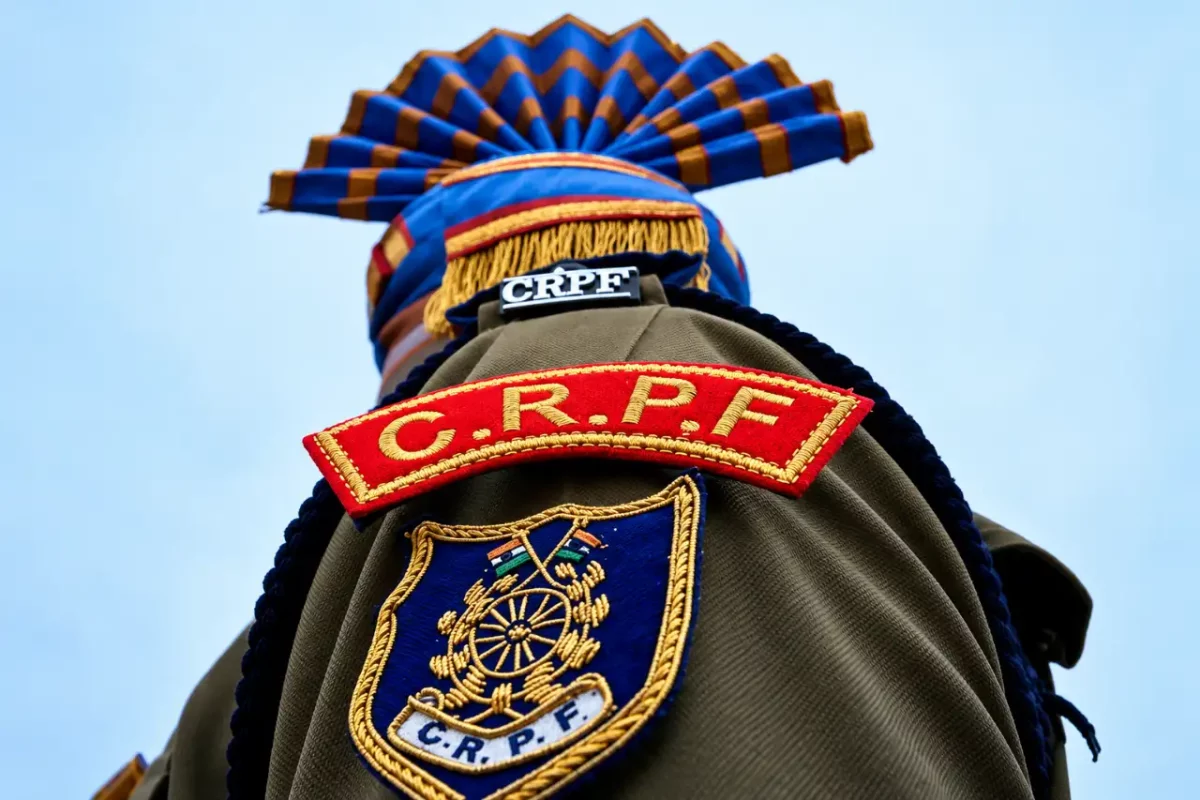
The Central Reserve Police Force (CRPF) is considering restoring the ranks of Lance Naik and Naik nearly 29 years after the two ranks were abolished and merged with Constable and Head Constable, respectively.

The proposal is aimed at addressing long-standing promotion stagnation among CRPF personnel and providing additional career progression opportunities at the constabulary level. The CRPF, India’s largest Central Armed Police Force, has a strength of approximately 3.25 lakh personnel.
As part of the ongoing deliberations, CRPF headquarters has directed field formations across the country to conduct consultations with personnel, including through Sainik Sammelans, and forward their consolidated views. The feedback is expected to be submitted by October 18 for further examination by the competent authority.
The Lance Naik and Naik ranks were removed from the CRPF hierarchy following a Ministry of Home Affairs order dated October 10, 1997. The decision was part of an exercise to rationalise the rank structure and pay scales of non-gazetted personnel in Central Police Organisations.
Under the restructuring, the rank of Lance Naik was merged with Constable, while Naik was merged with Head Constable. Lance Naik and Naik, however, continue to form part of the rank structure of the Indian Army.
Before the merger, personnel joining the CRPF as Constables could typically progress to Lance Naik after around five years of service and Naik after approximately 10 years, before eventually becoming Head Constables.
At present, CRPF Constables can reportedly spend more than two decades waiting for their first regular promotion. The prolonged period in the same rank has been a major concern among personnel and has prompted discussions on creating additional avenues for career progression.
Restoring Lance Naik and Naik would introduce two intermediate ranks between Constable and Head Constable. The move could provide personnel with additional promotions during their service and potentially improve morale by reducing the long periods of stagnation at the Constable level.
Under one structure being considered, personnel could become Lance Naiks after completing around five years of service and Naiks after approximately 10 years, followed by progression to Head Constable. The final promotion criteria and service requirements, however, would depend on the structure eventually approved by the government.
The proposal also comes as the Central Armed Police Forces prepare for the recruitment of former Agniveers completing their four-year tenure under the Agnipath scheme. Ex-Agniveers are eligible for recruitment into CAPFs, including the CRPF, with the government providing reservation and age-relaxation benefits for eligible candidates.
Restoring intermediate ranks could potentially offer a clearer career progression structure to personnel joining the CRPF, including former Agniveers entering the force after completing their military service.
However, no final decision on restoring Lance Naik and Naik has been announced so far. Feedback from CRPF formations is being collected and will be examined before the proposal is placed before the competent authority.
Any restoration of the two ranks would also require corresponding changes to recruitment rules, pay structures, seniority provisions and the organisational hierarchy.
If approved, the move would mark one of the most significant changes to the CRPF’s constabulary rank structure since the 1997 restructuring and could provide thousands of personnel with additional opportunities for promotion during their careers.