
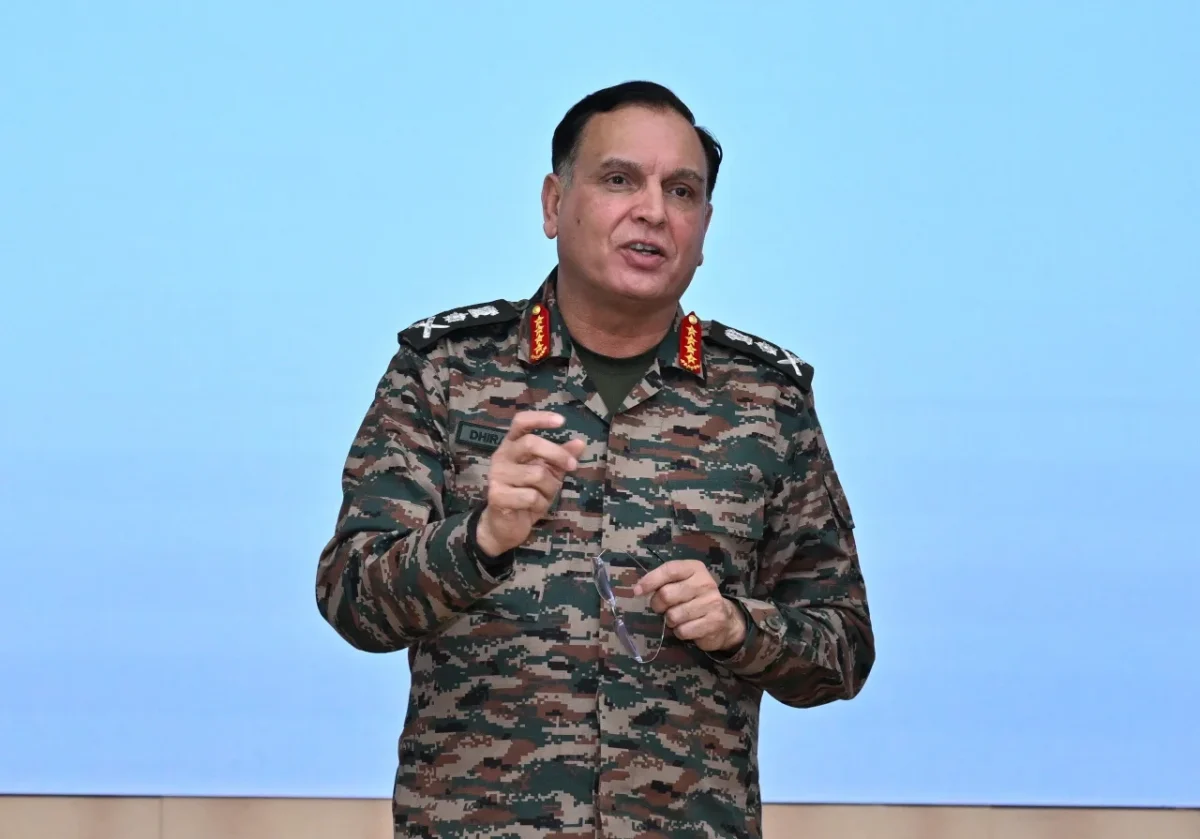
Chief of the Army Staff (COAS) General Dhiraj Seth visited Headquarters Western Command at Chandimandir, where he reviewed operational preparedness, ongoing capability enhancement initiatives and emerging security challenges facing the Indian Armed Forces.



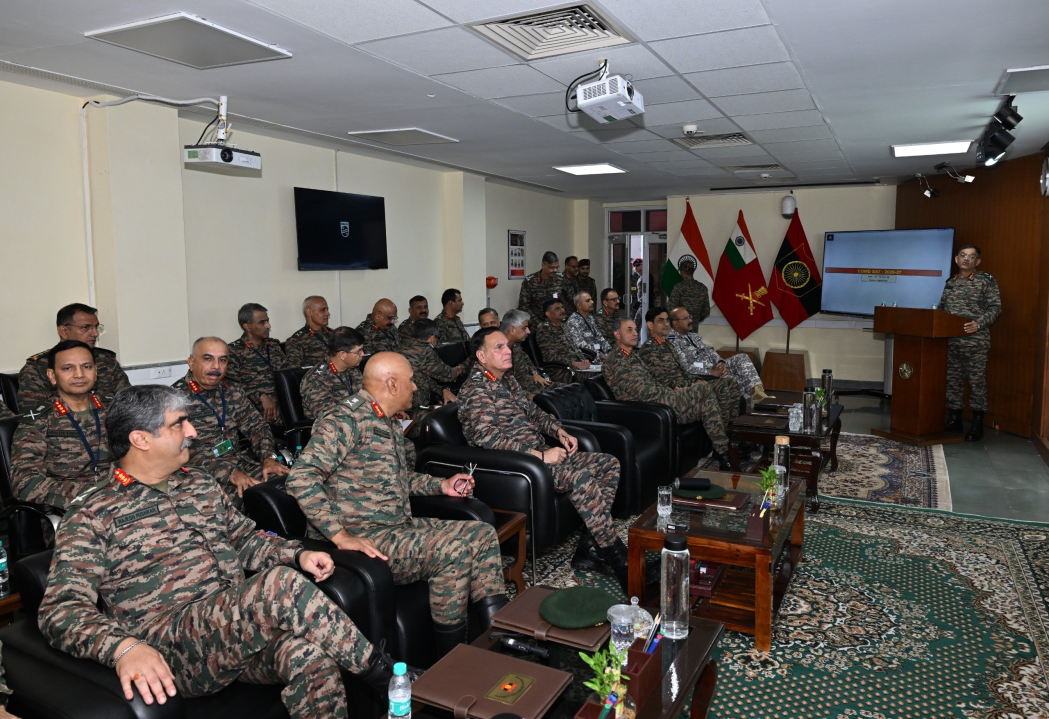
During the visit, General Seth assessed the command’s operational readiness and discussed measures aimed at strengthening combat capabilities in response to the evolving security environment. The review focused on maintaining high standards of preparedness while accelerating the adoption of modern technologies to enhance operational effectiveness.
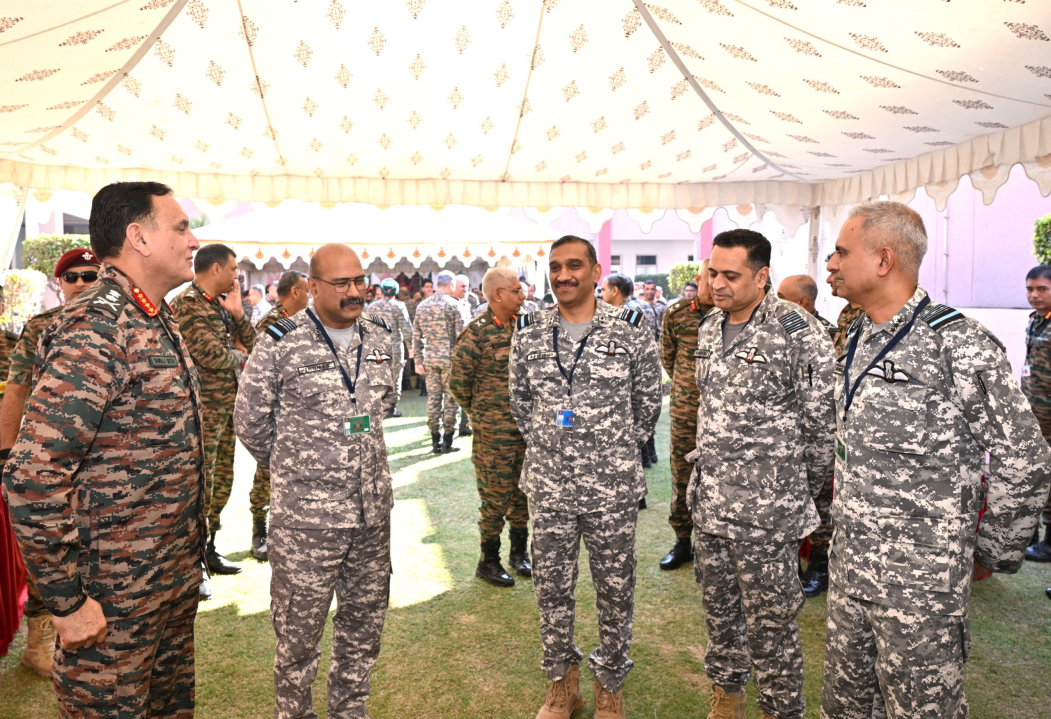
Interacting with senior commanders from the Indian Army, Indian Navy and Indian Air Force, the Army Chief emphasised the importance of jointness, integrated warfighting and technology absorption in maintaining a decisive operational edge.
General Seth highlighted the need for greater coordination among the three Services, stressing that modern military operations require seamless integration of capabilities, resources and operational planning across multiple domains.
The COAS also underscored the importance of adapting to emerging security challenges through continuous capability development and the integration of advanced technologies into military operations. His emphasis on technology absorption reflects the Indian Army’s broader efforts to modernise its combat capabilities and prepare for increasingly complex operational environments.
Reinforcing his vision of “JAI se VIJAY,” General Seth stressed the need to build an integrated, agile and technology-enabled force capable of responding effectively to future threats and operational challenges.
The VIJAY framework, introduced by General Seth after assuming charge as the 31st Chief of the Army Staff on June 30, 2026, identifies five key priorities: Vigilance along borders, Innovation and Transformation, Jointness and Integration, Atmanirbharta, and Yodha First.
The framework seeks to strengthen the Indian Army’s operational capabilities while promoting indigenous defence technologies, improved inter-service coordination and the welfare and empowerment of military personnel.
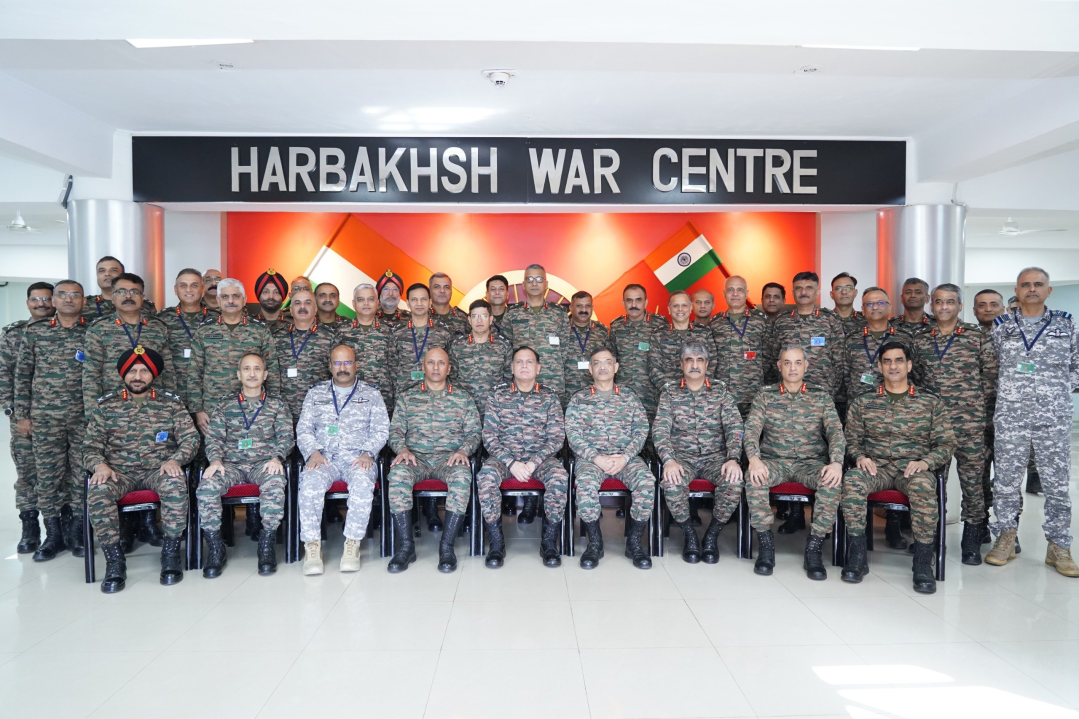
The Western Command plays a significant role in India’s western defence posture, with responsibility for strategically important sectors along the border with Pakistan. Its operational preparedness remains essential to maintaining a credible deterrent and ensuring a swift response to potential security threats.
General Seth’s visit reflects the Indian Army’s continuing focus on combat readiness, integrated operations and technological transformation. His interaction with senior commanders of all three Services also reinforced the growing importance of coordinated military planning and joint warfighting capabilities in India’s evolving defence strategy.