
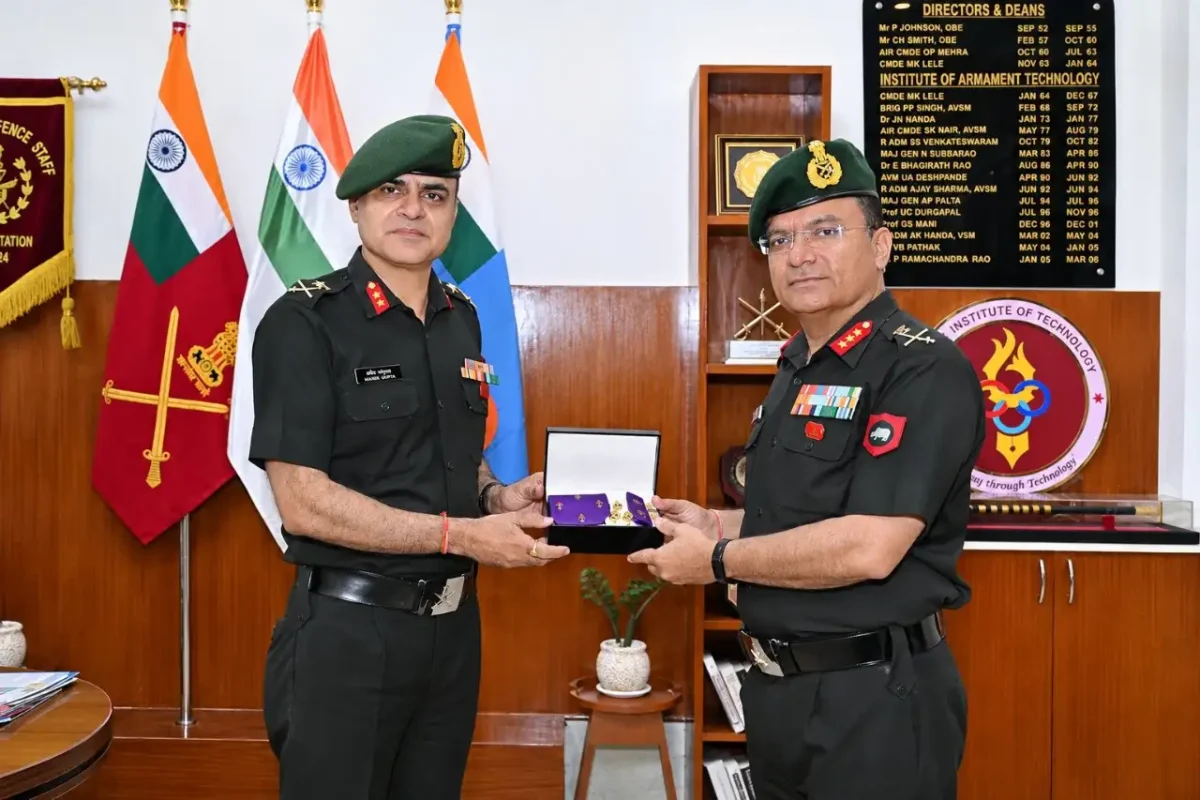
Lieutenant General Mohit Wadhwa, General Officer Commanding (GOC), 101 Area, delivered a lecture on “Operational and Logistics Dynamics in Communication Zone” to officers attending the Defence Services Technical Staff Course (DSTSC-09) and other ongoing courses at the Military Institute of Technology (MILIT).



During the session, Lt Gen Wadhwa highlighted the evolving character of modern warfare and emphasised the critical role of logistics in sustaining military operations, particularly along India’s strategically sensitive Northern Borders.
Addressing the officers, he explained that effective logistics support remains fundamental to maintaining operational readiness, sustaining combat power and ensuring the successful execution of military operations in challenging environments.
The senior Army officer discussed the complexities associated with prolonged military engagements, noting that protracted conflicts place significant demands on supply chains, transportation networks, equipment maintenance and the continuous availability of essential operational resources.
He also highlighted the growing challenges posed by contested and congested sustainment networks, where military logistics systems may face disruptions due to enemy actions, geographical constraints and competing operational requirements.
Lt Gen Wadhwa underscored the importance of technology as a key enabler of operational effectiveness. He emphasised that the integration of modern technologies into logistics planning, supply chain management and operational support systems can improve efficiency, responsiveness and resilience during military operations.
A major focus of his address was the concept of Civil-Military Fusion, which seeks to strengthen cooperation between military organisations and civilian institutions, industries and infrastructure networks to support national defence requirements.
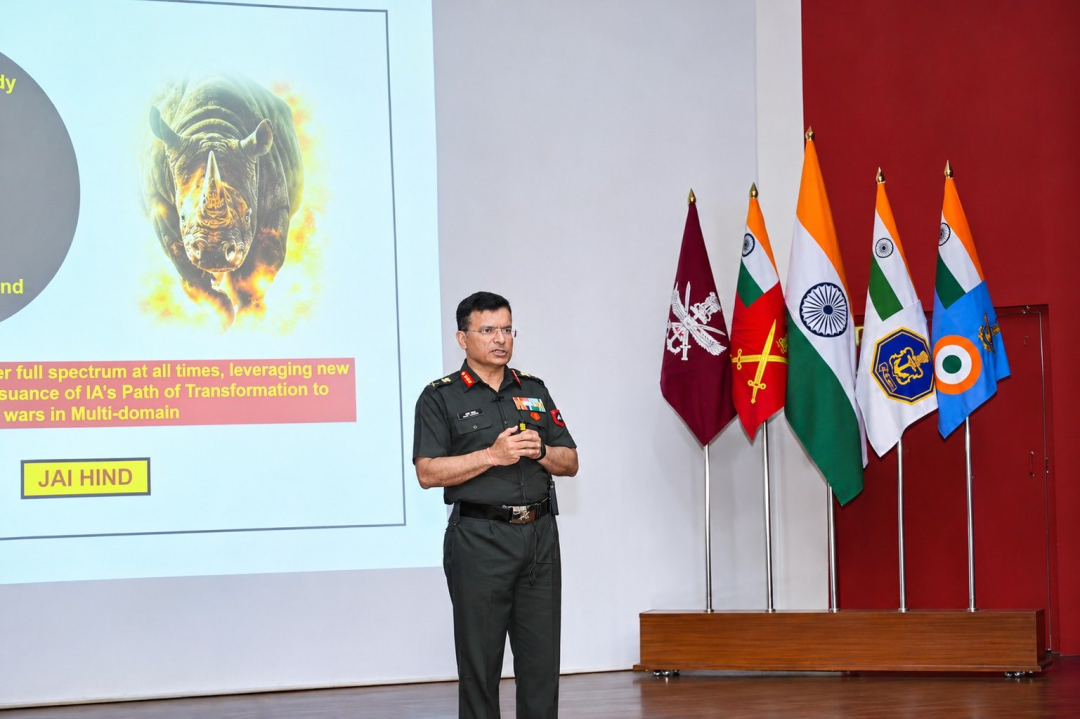
He further stressed the importance of adopting a Whole-of-Nation approach to military logistics, recognising that sustaining large-scale operations during future conflicts would require coordinated efforts involving the Armed Forces, government agencies, industry and other national resources.
The lecture also highlighted the strategic importance of developing resilient and adaptable logistics capabilities capable of functioning effectively in demanding operational environments.
India’s Northern Borders present distinctive logistical challenges due to high-altitude terrain, extreme weather conditions, limited connectivity and the need to maintain sustained supplies to forward-deployed formations. These conditions make reliable logistics networks essential for ensuring the operational effectiveness of troops deployed in strategically important sectors.
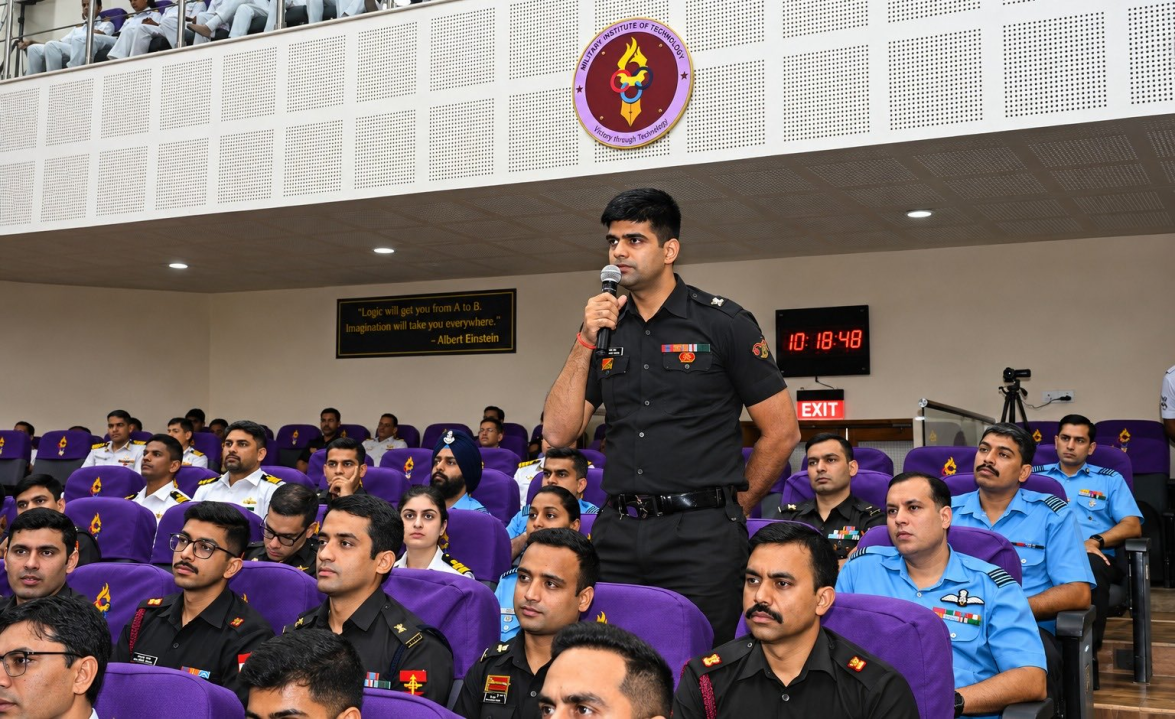
Lt Gen Wadhwa emphasised that future conflicts would require military logistics systems capable of adapting rapidly to changing battlefield conditions while maintaining uninterrupted support to combat formations.
The interaction provided officers attending DSTSC-09 and other courses at MILIT with insights into the relationship between operational planning, logistics management and technological innovation in contemporary warfare.
The lecture reinforced the importance of developing integrated, technology-enabled and resilient logistics systems to sustain combat power and ensure operational success in future military engagements.