
In a climate marked by rising geopolitical competition and shifting power dynamics, India is positioning itself as a stabilizing force in the Indian Ocean Region (IOR) and West Asia. The Indian Navy, which historically focused primarily on coastal defense, has now assumed a significant role in shaping regional security and partnerships, becoming a cornerstone of India’s foreign policy. The nation’s maritime strategy, which aligns with its “Security and Growth for All in the Region” (SAGAR) initiative, emphasizes a balanced approach that seeks to foster collaboration while also protecting its strategic interests.



India’s maritime outreach is multifaceted, combining cooperative alliances, humanitarian efforts, and a careful counterbalance to China’s growing influence. This strategy aims to cultivate an environment of shared security, positioning India as a reliable and proactive regional power. The evolving dimensions of India’s maritime strategy demonstrate its commitment to regional stability and a multipolar world amidst increasing tensions in international waters.
As part of its efforts to enhance regional security, India has recently delivered Fast Interceptor Craft (FICs) to Mozambique, strengthening the country’s capabilities to combat threats like maritime terrorism and piracy. This provision of naval support is not an isolated initiative; it builds on India’s previous assistance to Mozambique, underlining its long-term commitment to bolstering maritime security in the region.
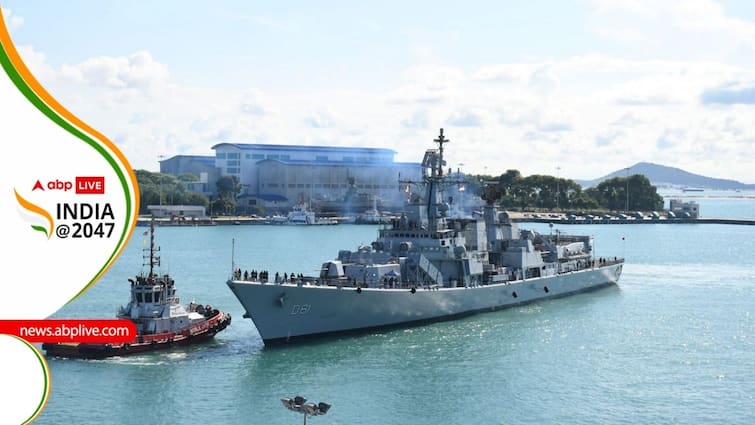
India’s regional engagement is further exemplified through its cooperation with Sri Lanka, where the visit of the Indian Navy’s INS Vela to Colombo illustrates deeper ties under the SAGAR initiative. Joint exercises and the sharing of information have fortified operational coordination between the two nations, enhancing their preparedness against common security threats such as piracy and human trafficking. India’s approach is characterized by mutual respect and support, distinguishing it from China’s infrastructure-driven engagements, which can lead to debt dependency.
China’s expanding presence and assertiveness in the IOR have raised significant concerns about hegemonic aspirations. In response, India has adopted a strategy that empowers its neighbors to independently secure their waters, promoting a cooperative security framework rather than a confrontational one. This “soft power” approach, evident in joint military exercises and shared security responsibilities, stands in contrast to China’s more coercive tactics, allowing neighboring nations to enhance their maritime security without the burden of debilitating debt.
Beyond the Indian Ocean, India has sought to reinforce its maritime influence in West Asia, recognizing the strategic importance of the region for its energy security and economic interests. The Indian Navy’s increased presence through high-profile port calls and collaborative exercises with Gulf Cooperation Council nations and Iran signifies India’s intent to establish itself as a responsible security partner in a historically complex geopolitical landscape.
In 2024, operations by India’s First Training Squadron across the Gulf highlighted a commitment to shared maritime security challenges, such as smuggling and piracy. The exercises in the UAE and Oman, as well as cautious engagements with Iran, reflect India’s balanced diplomatic efforts to maintain partnerships across West Asia, thus reinforcing its strategic interests while navigating regional complexities.
The economic imperatives tied to maritime security are evident, as a significant portion of India’s energy supplies traverse the Persian Gulf and Arabian Sea. India’s naval strategy not only aims at protecting these crucial trade routes but also seeks to create a conducive environment for economic growth through strengthened maritime collaborations. The Comprehensive Economic Partnership Agreement with the UAE, which drove a remarkable increase in bilateral trade, exemplifies the intertwined nature of security and economic interests.
In addition to strategic and economic aspects, India’s maritime initiatives are underscored by humanitarian outreach, enhancing its image as a compassionate and reliable ally. Following natural disasters, India has provided aid to affected countries like Turkey and Syria, further fostering goodwill in the region. Cultural exchanges, community engagement, and Indian cultural exports help reinforce ties, showcasing India as a culturally resonant and approachable regional power.
As West Asia increasingly embraces a multipolar landscape with various global players, India’s expanding maritime presence aids in promoting a diversified partnership paradigm. This balanced approach encourages regional states to forge relationships beyond narrow dependencies, particularly as India emphasizes collective maritime security in the region.
In summary, India’s maritime strategy is characterized by its multifaceted approach to ensuring regional stability, grounded in strategic collaborations, humanitarian outreach, and cooperative security measures. As the dynamics of the IOR and West Asia evolve, India’s role as a stabilizing power, driven by a commitment to regional peace and prosperity, will play a crucial part in shaping a secure and interconnected maritime future. By effectively blending hard and soft power strategies, the Indian Navy is not only a source of regional stability but also a catalyst for shared growth among its maritime partners.