

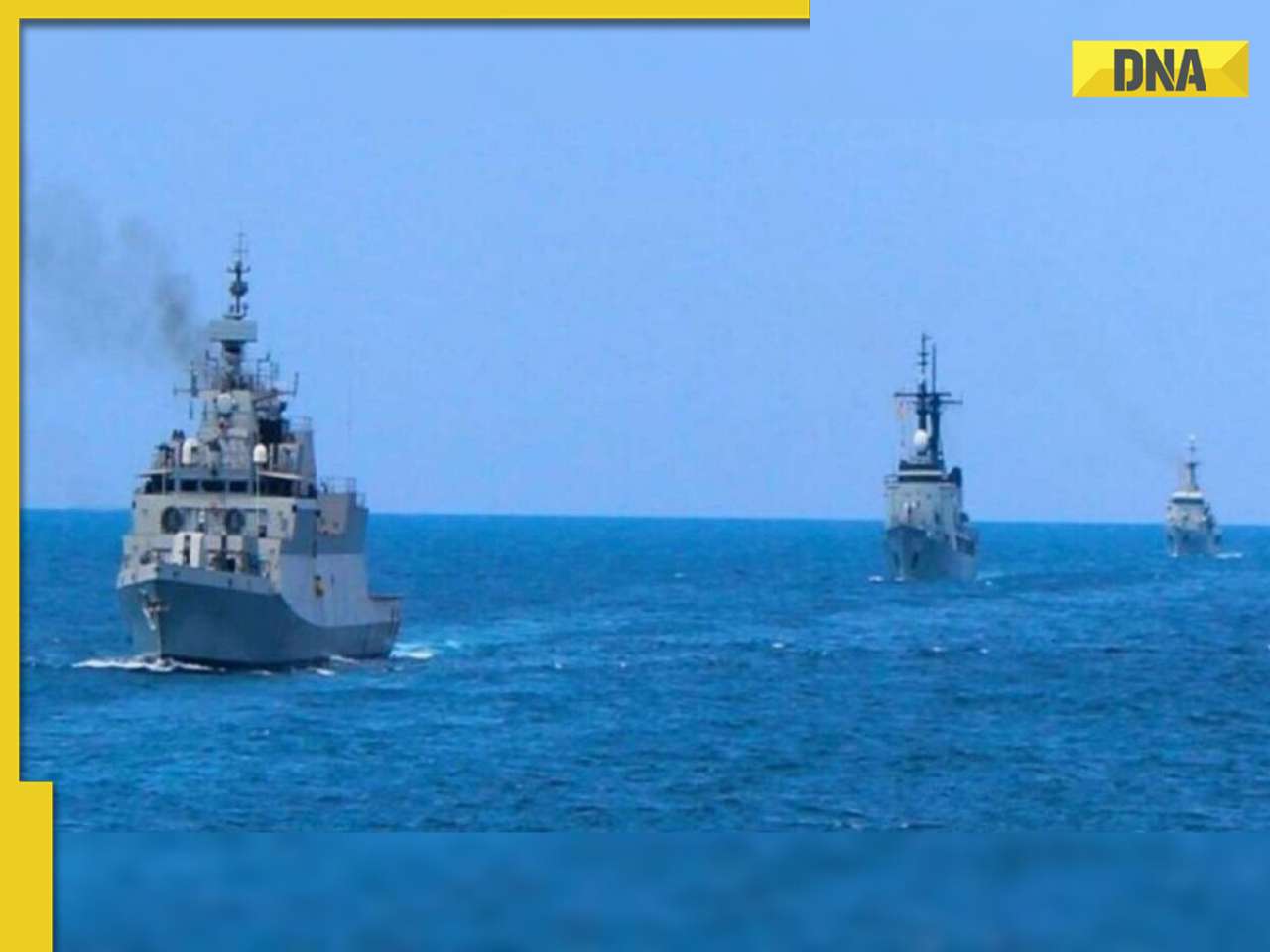
As India celebrates Navy Day 2024, there is a prominent focus on the Indian Navy’s evolution into a modern, technology-driven force, with a significant emphasis on the integration of unmanned systems into its operations. This shift not only reflects the Navy’s commitment to enhancing operational efficiency but also aligns with India’s broader objectives of achieving technological self-reliance and asserting its maritime dominance in the Indian Ocean Region (IOR) and beyond.





The maritime domain is increasingly becoming characterized by a range of asymmetric threats and geopolitical tensions, including piracy, illegal fishing, and maritime terrorism. These challenges necessitate advanced tools that can offer flexibility, precision, and resilience. Unmanned systems, which include Unmanned Aerial Vehicles (UAVs), Unmanned Surface Vessels (USVs), and Unmanned Underwater Vehicles (UUVs), have emerged as critical force multipliers in addressing these evolving threats.
The Indian Navy has been at the forefront of deploying UAVs for Intelligence, Surveillance, and Reconnaissance (ISR) missions. Notable platforms such as the Israeli-origin Heron and Searcher Mk II have significantly bolstered the Navy’s maritime situational awareness, equipped with advanced imaging systems and sensors that deliver real-time intelligence across vast oceanic expanses. Recently, the leasing of two MQ-9A SeaGuardian drones from the United States further enhances these capabilities, allowing the Navy to monitor an extensive area of over 14 million square miles and respond swiftly to potential threats.
In an effort to expand its unmanned aerial capabilities, the Navy has issued a Request for Information (RFI) for Naval Shipborne Unmanned Aerial Systems (NSUAS), aiming to introduce specialized drones that can operate from warships. These systems are expected to play critical roles in anti-piracy operations, coastal security, and search-and-rescue missions.
The introduction of USVs marks a significant evolution in surface operations. The Matangi, an indigenous autonomous surface vessel, is capable of autonomous travel over 1,500 kilometers and can be utilized for both ISR and combat roles. These platforms promise strategic advantages by enabling sustained surveillance over extensive maritime domains, reducing the costs associated with manned missions, and maintaining effectiveness in hostile environments.
In the underwater domain, the Indian Navy is making strides with large UUVs that can weigh around 100 tonnes, armed with advanced combat systems. These unmanned platforms enhance the Navy’s capability to monitor deep-sea areas, detect mines, and conduct covert operations, thanks to their stealth features that are invaluable for intelligence gathering in contested waters.
The strategic advantages of integrating unmanned platforms into naval operations are numerous. They provide enhanced maritime domain awareness, facilitating comprehensive coverage of vast maritime regions crucial for monitoring foreign naval activities. These systems are also cost-efficient compared to traditional warships and submarines, allowing the Indian Navy to maximize its operational output within budgetary constraints. Moreover, the deployment of unmanned systems for high-risk missions mitigates the potential for human casualties, preserving the workforce’s safety.
Despite the transformative potential of unmanned systems, their integration into the Navy’s existing framework poses several challenges. The reliance on foreign technology for crucial components, such as AI algorithms, sensors, and propulsion systems presents a dependence that India aims to bridge through indigenous innovation. Furthermore, the cybersecurity risks associated with heavily communication-dependent systems require robust measures to ensure operational integrity.
The complexity of integrating unmanned systems into the naval fleet also demands advanced combat management systems capable of processing data from multiple sources and translating it into actionable intelligence in real-time. Additionally, ensuring that the workforce is well-trained to operate, maintain, and innovate these systems is essential for maximizing their effectiveness. The establishment of dedicated infrastructure for the deployment, maintenance, and storage of unmanned platforms is vital for sustained operations.
The Indian Navy’s commitment to unmanned systems represents a strategic vision for its future role as a net security provider in the IOR and a leading maritime force in the Indo-Pacific region. The commitment to these technologies signifies India’s dedication to technological innovation and self-reliance in maritime defense.
As the Navy continues to expand its investments in research and development, foster public-private partnerships, and modernize its operational doctrines, unmanned systems are set to become the backbone of future naval strategies. These platforms are gearing up to redefine the Navy’s role in safeguarding India’s maritime interests, promising a powerful yet agile and innovative force ready to meet the challenges of tomorrow.
As we reflect on the achievements of the Indian Navy on this Navy Day, the integration of unmanned systems stands as a testament to its forward-looking vision—a Navy poised to secure its place as a global maritime leader in a rapidly evolving geostrategic landscape.