
Operation TRASHI-I represented a significant counter-terrorism initiative undertaken by Indian security forces in the Kishtwar district of Jammu and Kashmir. This operation, which spanned 326 days, culminated in the neutralization of seven terrorists affiliated with the Pakistan-based Jaish-e-Mohammed (JeM) group, including a prominent commander named Saifullah. Conducted amid challenging mountainous and forested terrain, it exemplified the strategic coordination among multiple agencies and highlighted advancements in intelligence-driven warfare.


Background and Launch
The operation was initiated by the Indian Army’s White Knight Corps, also known as the 16 Corps, in response to specific intelligence indicating the presence of foreign terrorists in the remote upper reaches of Kishtwar. Launched approximately 326 days prior to its conclusion on February 22, 2026, Operation TRASHI-I built upon earlier efforts to dismantle terrorist hideouts, including the busting of three such locations in the Kathua district on January 16, 2026. The primary objective was to detect, track, and eliminate terrorist modules operating in dense forests and high-altitude areas, thereby enhancing regional security and disrupting cross-border terrorism.
The White Knight Corps, responsible for guarding portions of the Line of Control (LoC) and conducting counter-insurgency operations in districts such as Rajouri, Poonch, Doda, Kishtwar, and Ramban, led the mission under the broader framework of Operation Rakshak. This joint endeavor involved collaboration with the Jammu and Kashmir Police and the Central Reserve Police Force (CRPF), supported by advanced surveillance technologies including first-person view (FPV) drones, unmanned aerial vehicles (UAVs), and satellite imagery.
Course of the Operation
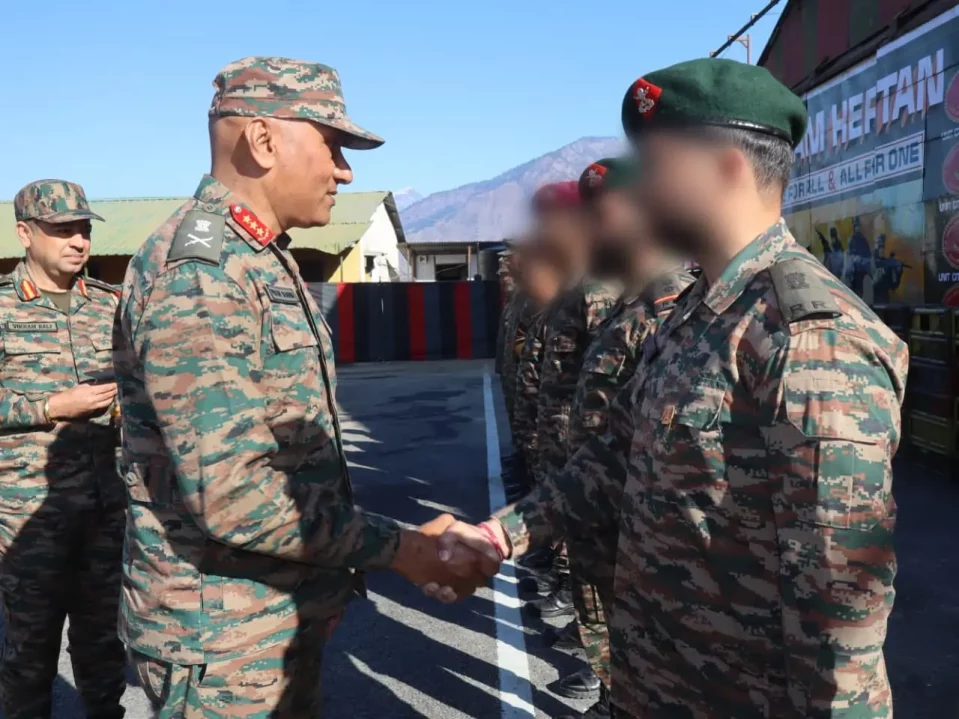
Operation TRASHI-I unfolded through a series of meticulously planned engagements in harsh environmental conditions, including rain, snow, and isolation. Security forces employed a cordon-and-search strategy, sealing exit routes and systematically combing steep slopes and thick vegetation. Over the course of the operation, multiple contacts were established with the terrorists, leading to six distinct encounters within a 40-day intensive phase.
A notable aspect was the role of specialized units, such as the Army’s 11 Rashtriya Rifles and 2 Para Special Forces. In one encounter, a trained K9 unit dog named Tyson detected the militants, sustaining injuries but contributing crucially to the mission; the dog was subsequently airlifted for medical treatment. The final phase occurred on February 22, 2026, in the Chatroo area, where three terrorists were eliminated after they opened fire from a mud house hideout. Recovered items included two AK-47 rifles and other warlike stores, with the identities of the neutralized individuals confirmed as part of the JeM module.
Key Achievements
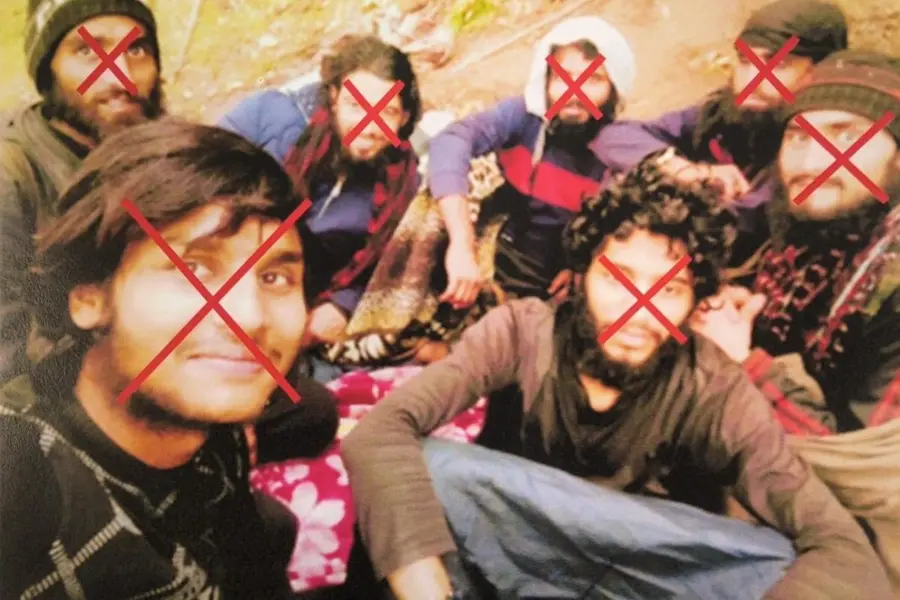
The operation achieved complete success by dismantling an entire seven-member JeM terrorist module without incurring any casualties among Indian forces. This outcome underscored the effectiveness of intelligence-led tactics and inter-agency cooperation. The neutralization of high-value targets, including Saifullah—a key JeM commander—represented a substantial blow to Pakistan-based terror networks operating in the region.
Why It Was So Special
Operation TRASHI-I distinguished itself through its exceptional duration and operational resilience in an unforgiving environment characterized by dense forests, mountainous terrain, and adverse weather. Unlike shorter engagements, this mission required sustained vigilance over nearly a year, demonstrating the endurance and tactical superiority of the involved forces. The absence of personnel losses highlighted precise planning and risk mitigation strategies.
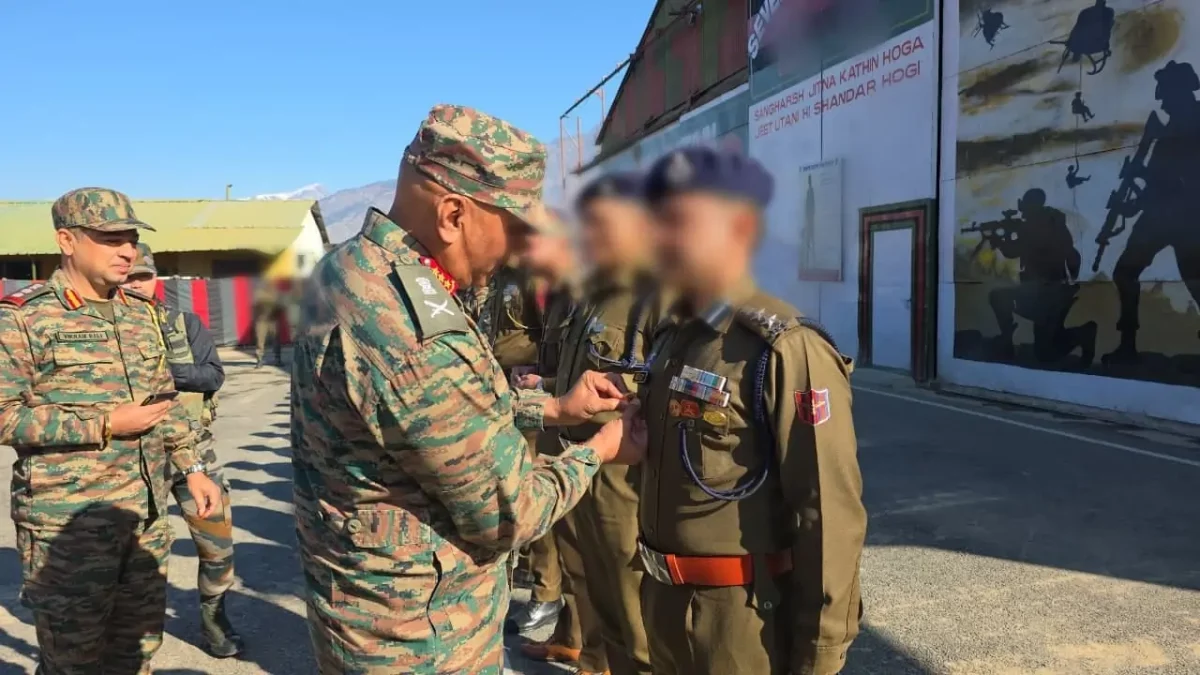
Furthermore, the integration of modern technology with traditional ground operations set a benchmark for future counter-terrorism efforts. The mission’s success also boosted morale, as evidenced by troops’ chants of “Bajrangbali Ki Jai” upon completion, symbolizing a cultural and motivational dimension to the achievement. In the broader context of India’s security framework, Operation TRASHI-I exemplified a milestone in combating insurgency, reinforcing the nation’s commitment to maintaining peace in Jammu and Kashmir.
In summary, Operation TRASHI-I not only neutralized immediate threats but also advanced India’s counter-terrorism capabilities, serving as a model of professionalism and determination in the face of persistent challenges.