

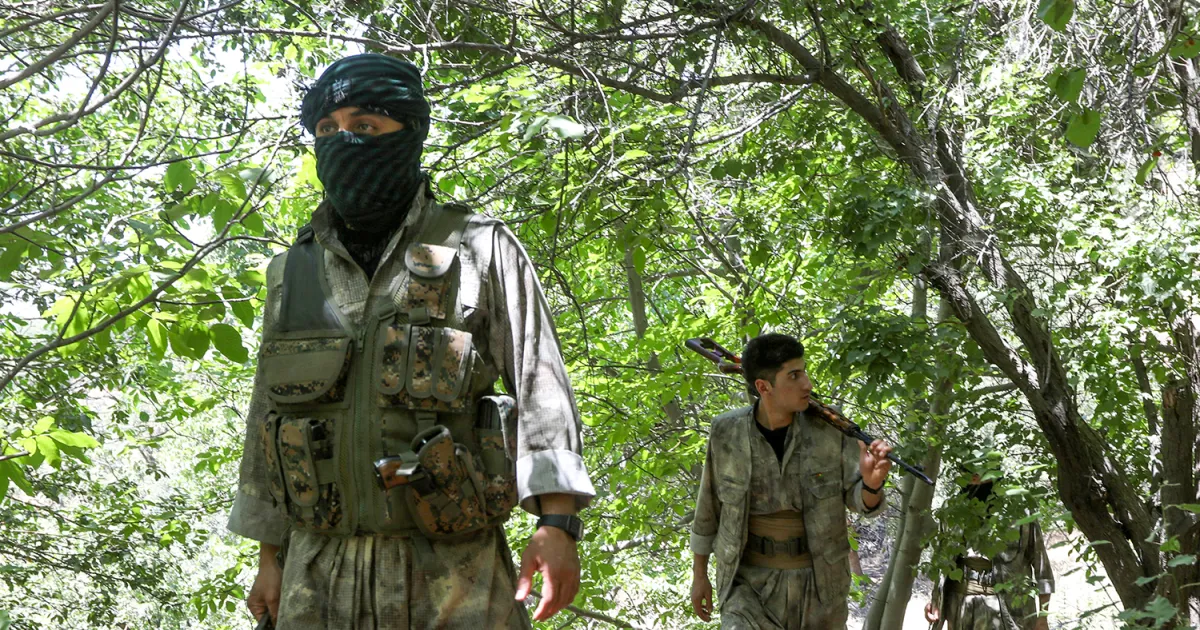
The United States’ Central Intelligence Agency (CIA) is reportedly working on plans to arm Kurdish opposition groups in a bid to trigger an uprising against the Iranian government, according to sources familiar with the discussions.





The initiative is said to involve consultations between the US administration and Iranian opposition figures as well as Kurdish leaders based in Iraq. Kurdish armed groups operating along the Iraq–Iran border, particularly in Iraq’s Kurdistan region, are believed to have thousands of fighters who could potentially participate in operations inside western Iran.
Sources indicated that US support for Iranian Kurdish groups began months before the current conflict, with discussions intensifying following the escalation between Iran, the United States and Israel. Some Kurdish opposition factions have recently issued statements urging Iranian military personnel to defect and signalling readiness for action.
According to officials cited in the report, Kurdish forces could be used to engage Iranian security units along the border, potentially tying down Iranian forces and creating space for internal unrest in major Iranian cities. However, any plan to arm these groups would require cooperation from authorities in Iraqi Kurdistan, which could serve as a transit point or operational base.
Iraq’s National Security Adviser has warned that Iraqi territory will not be used to launch attacks against Iran, and additional security reinforcements have reportedly been deployed along the border to prevent cross-border militant activity.
Defence analysts say the strategy could place significant pressure on Iran’s military by opening a new front along its western border. At the same time, some experts have cautioned that arming Kurdish militias could destabilise the region and undermine Iraqi sovereignty.
The Kurdish population, estimated at 25–30 million people, is spread across parts of Turkey, Iraq, Iran, Syria and Armenia. Kurdish groups have historically cooperated with the United States in regional conflicts, including operations against the Islamic State.
However, Kurdish factions remain politically divided, and questions remain about whether they possess the resources or influence necessary to mount a sustained uprising against the Iranian government.
Officials and analysts also warn that such a move could significantly escalate the conflict and further destabilise an already volatile Middle East.