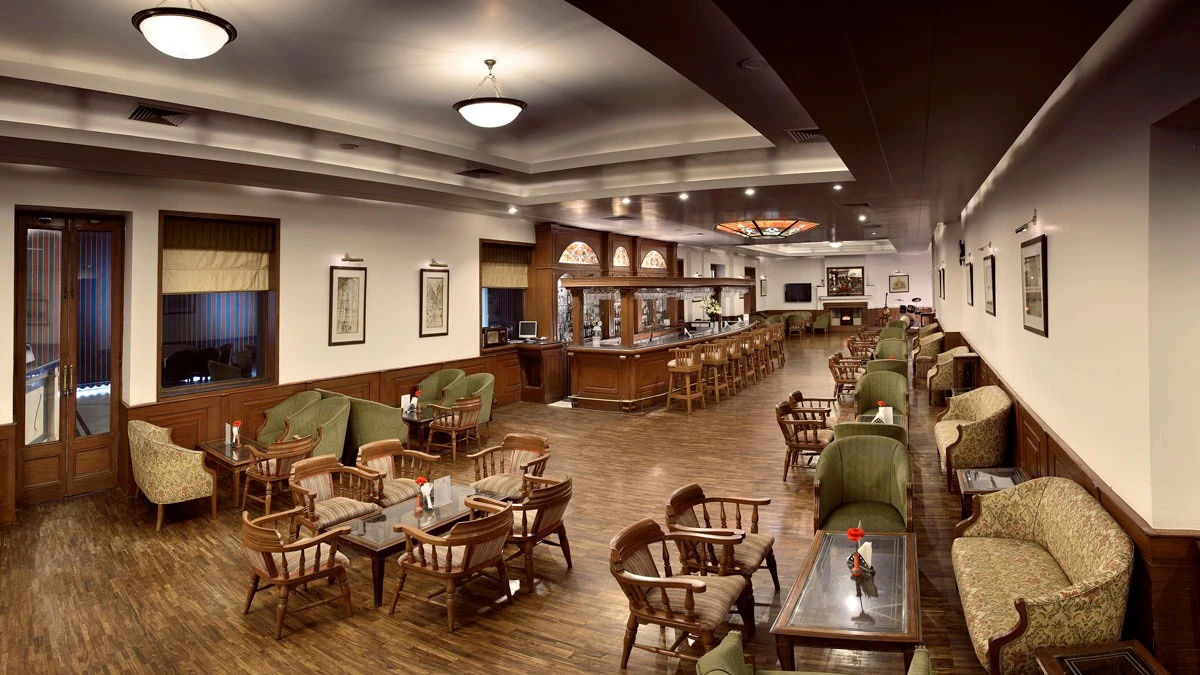
New Delhi, May 24, 2026 — In a significant development, the Union Government has directed the Delhi Gymkhana Club to hand over possession of its historic 27.3-acre premises at 2, Safdarjung Road in Lutyens’ Delhi to the Land and Development Office (L&DO) by June 5, 2026. The order, issued under the Ministry of Housing and Urban Affairs, cites the urgent requirement of the land for strengthening defence-related infrastructure, enhancing public security, and meeting essential governance and institutional needs in one of the national capital’s most sensitive strategic zones.





The directive was communicated in a letter dated May 22, 2026, from the L&DO to the club’s secretary. It invokes Clause 4 of the original lease deed, under which the President of India has determined the lease and ordered immediate re-entry. Upon re-entry, the entire plot—including all buildings, structures, lawns, and fittings—shall vest absolutely in the lessor, the President of India through the L&DO. The club has been instructed to hand over peaceful possession to government representatives on or before the deadline, failing which possession will be taken in accordance with law. A copy of the order has reportedly been marked to the Deputy Commissioner of Police for necessary law-and-order arrangements.
Location and Strategic Significance
The premises occupy a prime 27.3-acre parcel in a highly sensitive and strategic area of Lutyens’ Delhi, situated adjacent to the Prime Minister’s residence on Lok Kalyan Marg. The site lies within a high-security administrative zone housing several key central government and defence establishments. The L&DO order emphasises that the land is essential for urgent institutional requirements, governance-related infrastructure, public-interest projects, and the redevelopment of adjoining government land.
Background of the Delhi Gymkhana Club
Established in 1913 as the Imperial Delhi Gymkhana Club during the British era, the institution began operations at its current location in 1913 (with structures dating primarily to the 1930s) and was renamed the Delhi Gymkhana Club after Independence. It has long served as one of India’s most exclusive social and sporting clubs, blending administrative, military, and political influence. Membership has historically followed a structured 40-40-20 quota among civil servants, defence personnel, and select civilians, with a notoriously long waiting list extending up to 37 years. The club is renowned for its sporting heritage, including the largest concentration of grass tennis courts in the country and its role in hosting national championships and Davis Cup events.
The land was originally leased to the Imperial Delhi Gymkhana Club Ltd (now Delhi Gymkhana Club Ltd) for use as a social and sporting facility at a nominal annual rent. Over the decades, it evolved into an informal hub for the capital’s elite.
Reasons Cited by the Centre
The government has outlined clear justifications for the resumption:
- Security Imperatives: The property’s location in a high-security zone adjacent to the Prime Minister’s residence necessitates strengthened defence infrastructure and public security arrangements.
- Public Interest and Institutional Needs: The land is required to fulfil urgent governance infrastructure requirements and integrated public-interest projects, aligned with the resumption of adjoining government lands.
- Land Ownership: The Union Ministry of Housing and Urban Affairs holds ownership of most leased land parcels in Lutyens’ Delhi, enabling the exercise of re-entry powers under the lease terms for national priorities.
Club’s Immediate Response
Following receipt of the notice, the club’s Governing Council (GC) convened an emergency meeting on Saturday. In a communication to members, the officiating secretary stated that the GC had decided to send an immediate response to the L&DO requesting clarity on several issues concerning the interests of members and employees. The club has also sought an urgent appointment with officials of the Ministry of Housing and Urban Affairs.
“The immediate priority of the GC is to ensure that the operations of the Club continue without dislocation,” the statement read. Further developments will be communicated after a response is received. The club has emphasised its commitment to uninterrupted functioning amid the sudden development.
Members’ Reaction and Legal Preparations
Club members have expressed shock at the abrupt order. Reports indicate that members are preparing for a legal battle, including gathering signatures to support an urgent court petition challenging the eviction. The institution plans to appeal against the order, arguing its historical significance and the absence of any immediate security threat that would warrant such action. Some members have described the club as a “home” and “temple” for long-standing patrons, particularly elderly retirees, and have raised concerns about the potential loss of its unique heritage and identity.
This development occurs against the backdrop of prior governance disputes. In April 2022, the National Company Law Tribunal (NCLT) permitted the Ministry of Corporate Affairs to nominate directors to the club’s general committee, citing alleged mismanagement. The National Company Law Appellate Tribunal (NCLAT) upheld related findings, describing the club’s affairs as conducted in a manner prejudicial to public interest. These earlier proceedings have added layers to the ongoing matter.
Current Status
As of May 24, 2026, the club awaits a response from the L&DO and Ministry officials while mobilising internally. The deadline of June 5 remains firm, with the government asserting its legal authority to resume possession for stated national security and public purposes. The episode has sparked broader discussions on the balance between preserving colonial-era institutional heritage and addressing contemporary strategic requirements in the capital’s core administrative zone.
The situation continues to evolve, with both the club and government expected to issue further statements in the coming days.