

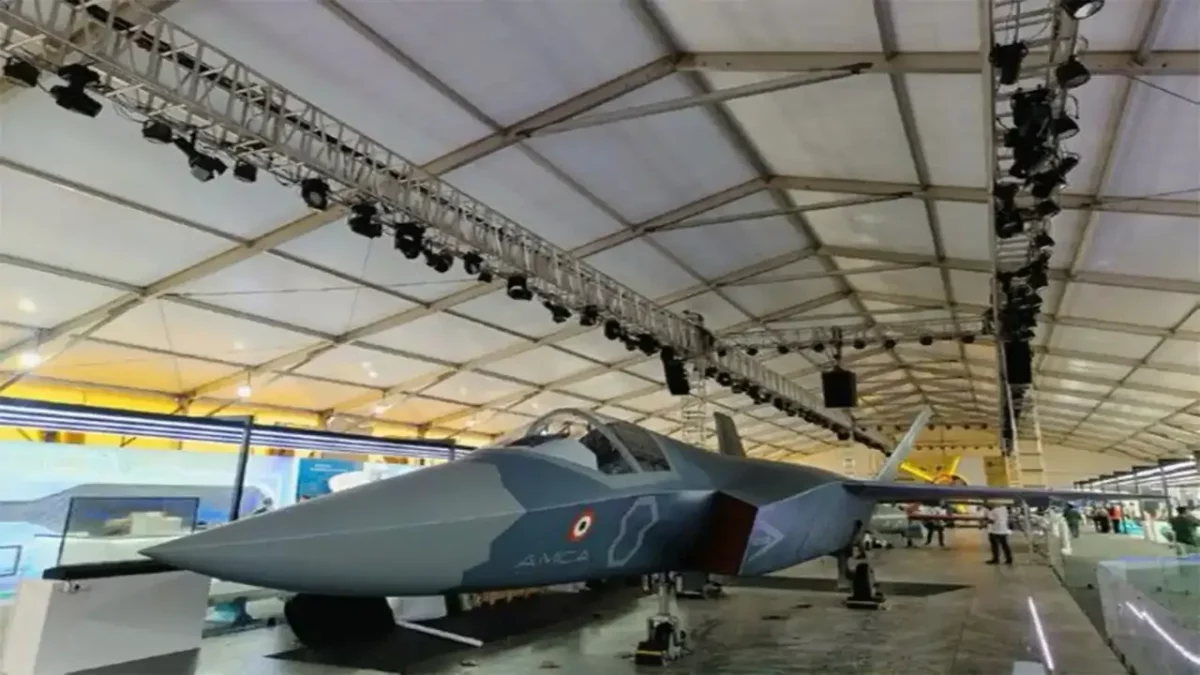
India’s ambitious Advanced Medium Combat Aircraft (AMCA) programme has entered a crucial phase, with the Ministry of Defence issuing the Request for Proposal (RFP) for the indigenous fifth-generation fighter aircraft project, according to Defence Ministry sources.





Officials indicated that the RFP was issued around ten days ago and carries a response period of 60 days, with submissions expected by the end of July. Following the receipt of responses, the government will proceed with the next stages of the selection and development process.
The AMCA is India’s flagship indigenous fifth-generation stealth fighter programme being developed by Aeronautical Development Agency in collaboration with the Indian aerospace industry. The aircraft is expected to significantly enhance the capabilities of the Indian Air Force by incorporating stealth characteristics, advanced sensors, network-centric warfare capabilities and indigenous weapon systems.
GE-414 Engine Negotiations Progressing
In another major development, sources revealed that negotiations for the procurement of GE-414 engines for the AMCA prototype phase have made substantial progress.
According to officials, the technical negotiations have been completed, while commercial discussions are currently underway. Hindustan Aeronautics Limited is leading the negotiations on behalf of the programme.
The GE-414 engine has been selected to power the initial AMCA prototypes and early production variants, providing the performance necessary for the aircraft’s advanced operational requirements.
India’s Fifth-Generation Fighter Vision
Defence Ministry sources emphasized that accelerating the AMCA programme remains a key priority, describing it as India’s preferred path towards acquiring an indigenous fifth-generation combat aircraft capability.
The AMCA is expected to bridge the technological gap between current-generation fighters and future air combat requirements. Once operational, the aircraft will provide advanced stealth, supercruise capability, enhanced survivability and multi-role combat performance tailored to future battlefield environments.
The programme is also expected to play a significant role in strengthening India’s defence manufacturing ecosystem under the vision of Aatmanirbhar Bharat, with substantial participation from both public and private sector aerospace companies.
Strategic Importance
The progress in the AMCA programme comes at a time when major global powers are investing heavily in next-generation combat aircraft. Defence planners view the indigenous fighter as a critical component of India’s long-term air power strategy and a key step toward reducing dependence on imported combat platforms.
With the RFP process underway and engine negotiations nearing completion, the AMCA programme appears poised to move into the next stage of development, bringing India closer to fielding its first home-grown fifth-generation fighter aircraft.