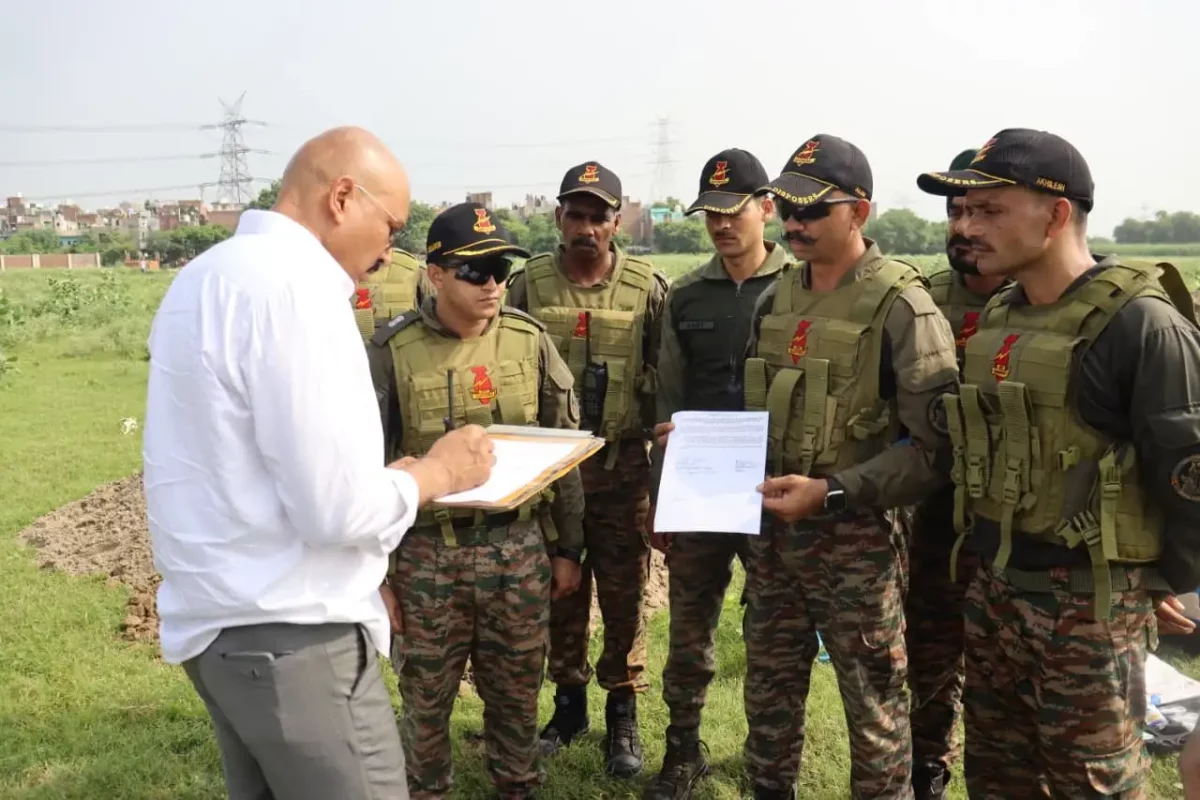
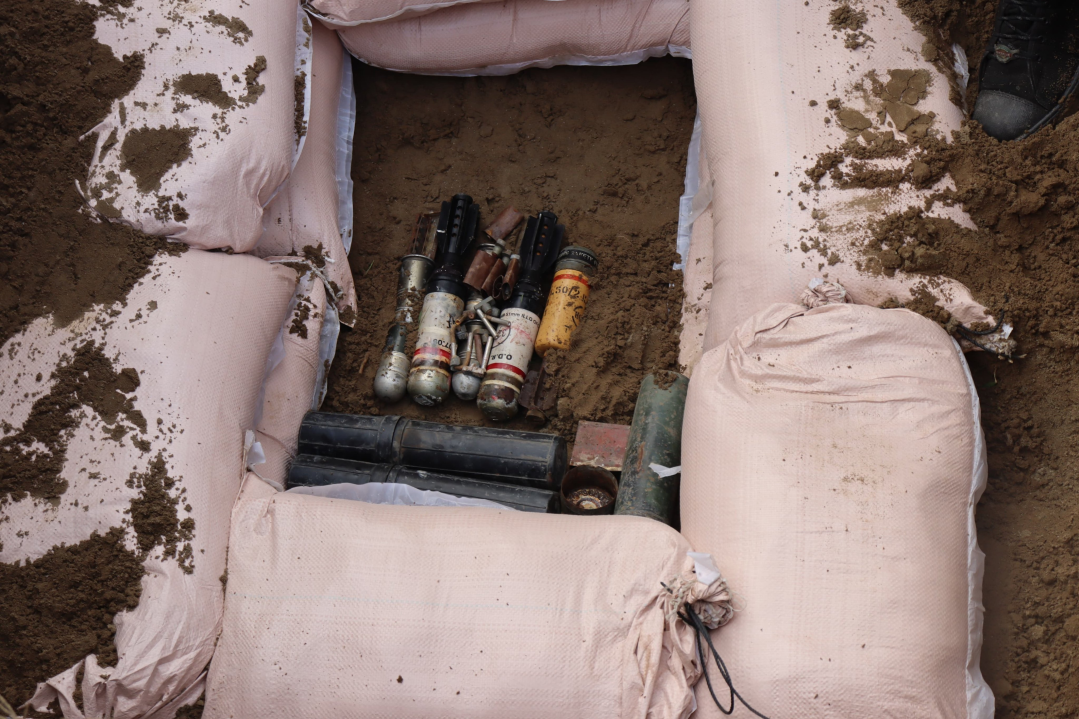
The Indian Army’s 202 Counter Explosive Device Unit of Delhi Area safely neutralised live explosive articles recovered by the Special Cell of Delhi Police, demonstrating professional expertise and effective coordination between the Armed Forces and the civil administration.





After receiving the recovered explosive material, the specialised team carried out a careful assessment of the threat and initiated the prescribed procedures for its safe disposal. Recognising the potential danger posed by the live explosive articles, the personnel maintained strict control over the operation and followed established safety protocols at every stage.
The explosive articles were subsequently destroyed through a controlled detonation. The procedure was executed with precision, ensuring that the threat was neutralised without endangering members of the public, security personnel or surrounding property.
Counter-explosive-device operations demand specialised knowledge, technical competence and a high degree of discipline. Personnel involved must accurately assess the condition and potential effects of explosive material before selecting an appropriate method of disposal. Even a minor procedural lapse can result in serious consequences, making careful planning and strict adherence to safety measures essential.
The personnel of 202 Counter Explosive Device Unit displayed composure and professionalism while handling the hazardous material. The operation involved securing the disposal area, preparing the explosive articles for destruction, maintaining the required safety distance and carrying out the detonation under controlled conditions.
The successful neutralisation eliminated the immediate danger associated with the recovered material and prevented its possible misuse. It also ensured that the explosives no longer posed a threat to lives, public infrastructure or property.
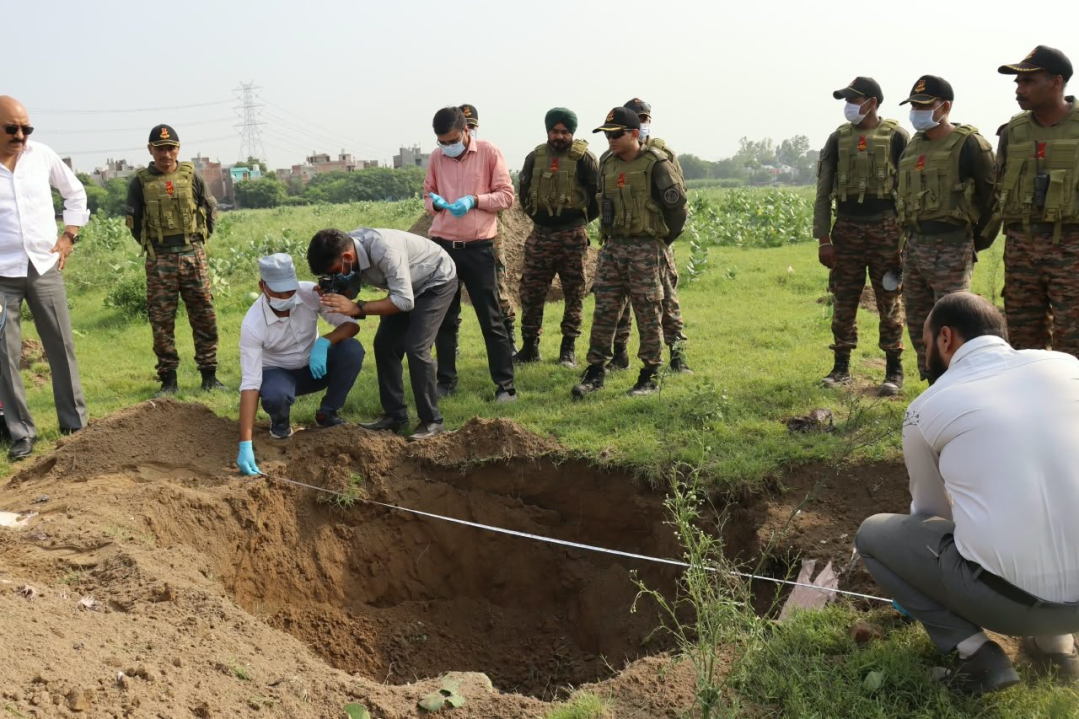
The operation highlighted the importance of specialised military capabilities in supporting civil law-enforcement agencies. While the Special Cell of Delhi Police was responsible for recovering the explosive articles, the Indian Army’s trained counter-explosive personnel provided the expertise necessary for their safe disposal.
Such cooperation is particularly important when recovered material requires technical handling beyond routine policing procedures. The timely exchange of information and clearly defined responsibilities between participating agencies enable hazardous situations to be managed safely and efficiently.
The joint effort reflected a coordinated response in which Delhi Police and the Indian Army worked towards the common objective of protecting the public. The operation also illustrated the value of established civil-military cooperation mechanisms in responding to security-related threats.
Counter-explosive units perform a critical role in identifying, handling and neutralising hazardous explosive devices and materials. Their work requires extensive training, knowledge of different types of explosives and the ability to operate calmly in high-risk environments.
Every disposal operation is approached with careful consideration of the nature of the explosive material, its condition and the risks posed by its surroundings. Controlled detonation is undertaken only after appropriate safeguards have been established to contain the effects and prevent unintended damage.
The successful operation by 202 Counter Explosive Device Unit reaffirmed the Indian Army’s readiness to extend specialised assistance to civil authorities whenever required. It also showcased the team’s technical proficiency, discipline and commitment to public safety.
By neutralising the live explosive articles in a controlled and professional manner, the personnel effectively mitigated a potentially serious threat. The operation stood as a strong example of institutional cooperation, operational preparedness and the shared commitment of the Indian Army and Delhi Police to safeguarding lives and property.