
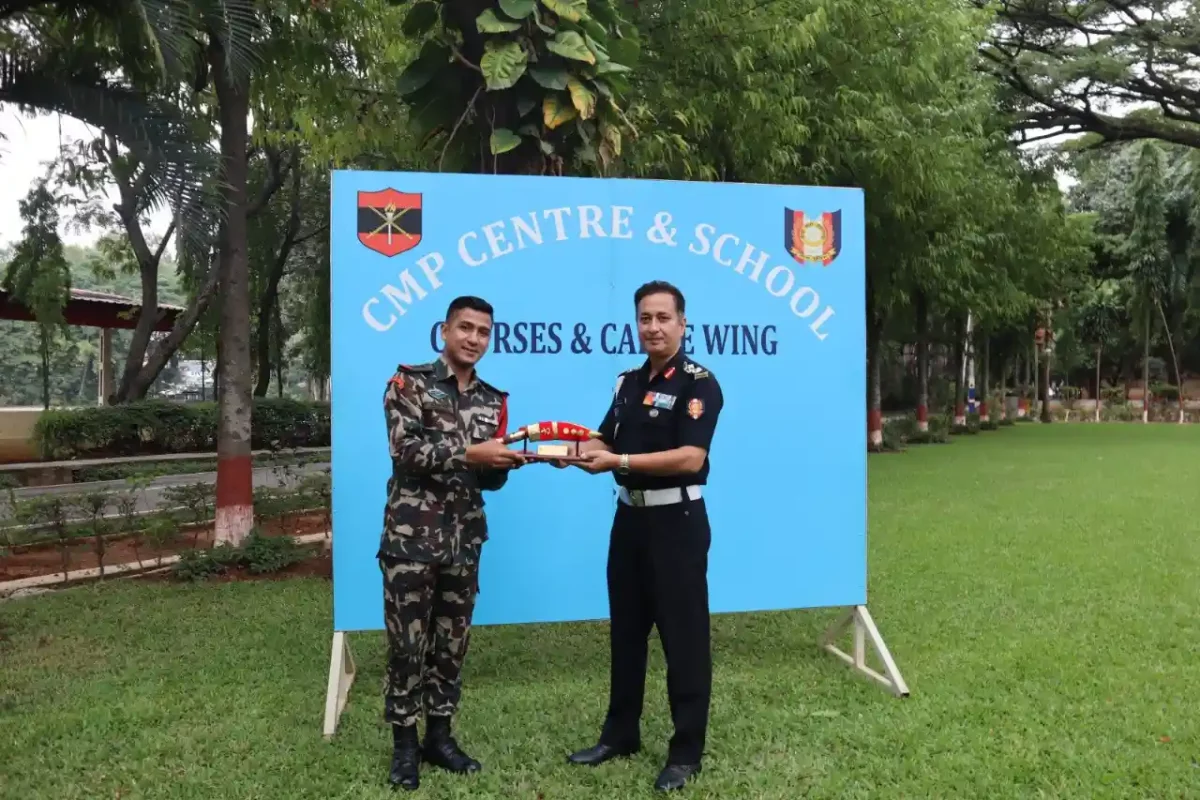
Bengaluru, 20 August 2026: The Officers Provost Course conducted at the Corps of Military Police Centre and School in Bengaluru culminated on Thursday, marking the successful completion of specialised professional training by 30 officers from India and five friendly foreign countries.
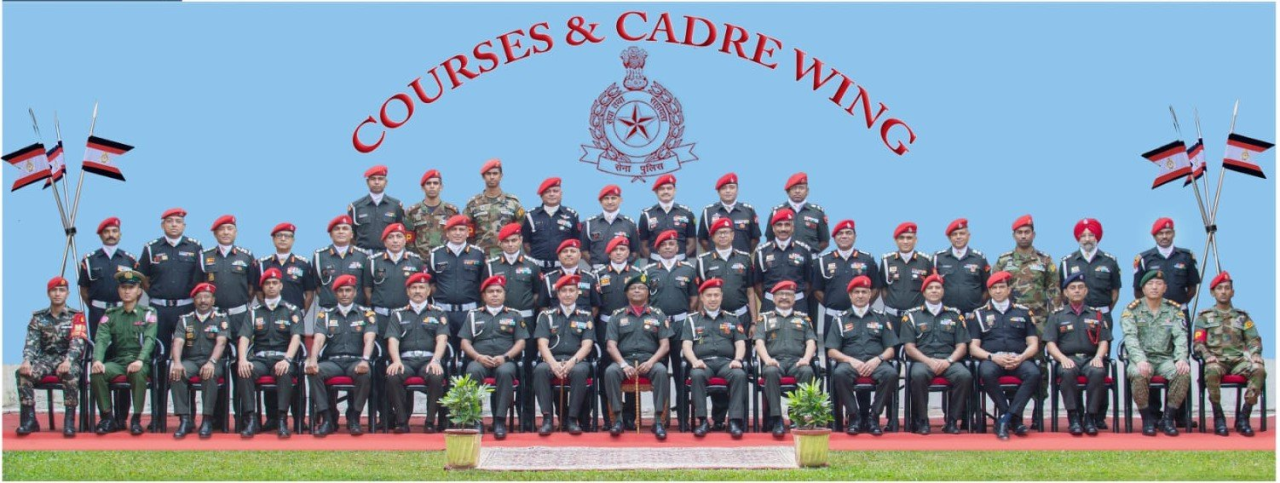
The graduating cohort comprised 23 officers of the Indian Army’s Corps of Military Police and seven officers from neighbouring and partner nations. The international participants included four officers from the Sri Lanka Army and one officer each from the Nepal Army, Myanmar Army and Royal Bhutan Army.
Their participation gave the course a strong international character and provided a valuable platform for exchanging professional knowledge, operational experience and military policing practices. Training officers from friendly foreign armies alongside their Indian counterparts also reinforced longstanding defence cooperation and promoted greater mutual understanding among the participating nations.
During the course, the officers received focused training under three principal verticals—law enforcement, investigation and traffic management. These areas form essential components of provost and military-police responsibilities in both peace stations and operational environments.
The law-enforcement vertical was aimed at enhancing the officers’ ability to uphold military discipline, maintain order and respond professionally to situations requiring provost intervention. The training placed emphasis on the responsible exercise of authority, adherence to established procedures and the importance of fairness and integrity in the discharge of military-police duties.
Under the investigation vertical, the officers developed their understanding of systematic and evidence-based investigative practices. The instruction was designed to strengthen their ability to examine incidents, assess information, follow procedural requirements and contribute to investigations conducted within the military environment.
The traffic-management component prepared the participants to plan, regulate and coordinate the movement of military traffic. Efficient traffic management is particularly important during large-scale troop movements, exercises, mobilisation and operational deployments, where discipline on military routes and the orderly movement of personnel, vehicles and equipment can have a direct bearing on mission effectiveness.
The three training verticals collectively sought to develop professionally competent provost officers capable of handling a broad spectrum of responsibilities with sound judgement, discipline and operational awareness.
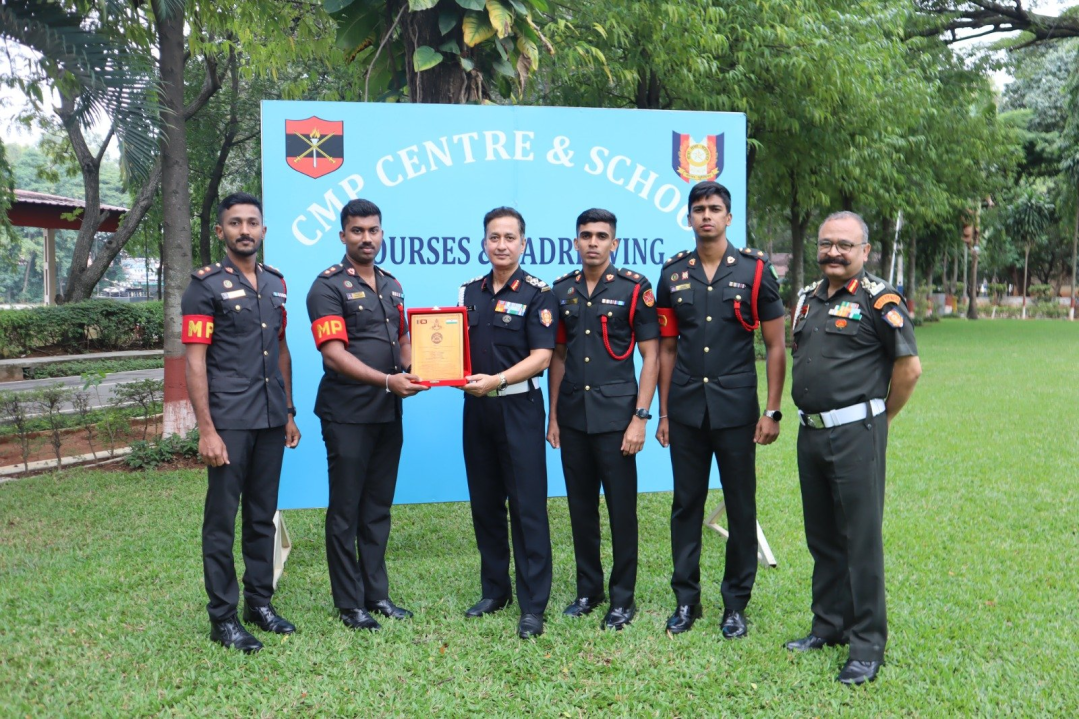
The course concluded with a formal closing ceremony addressed by Colonel Gautam Verma, Officiating Commandant of the Corps of Military Police Centre and School. In his closing address, Colonel Verma congratulated the officers on successfully completing the programme and highlighted the importance of applying the knowledge and professional skills acquired during the course in their future assignments.
He also felicitated the course achievers in recognition of their performance and accomplishments during the training programme. The ceremony provided an opportunity to acknowledge the dedication of the participating officers as well as the efforts of the instructional and administrative staff involved in conducting the course.
The graduation of officers from six armies demonstrated the wider role of professional military education in building cooperation and trust between friendly nations. By training together, the participants were able to share perspectives, understand different approaches to military policing and establish professional relationships that could support future interaction and cooperation.
The Corps of Military Police performs a range of important responsibilities connected with military discipline, traffic regulation, investigations, movement control, ceremonial duties and other forms of provost support. An official Ministry of Defence account has described the Corps’ contribution as extending from maintaining good order and military discipline to traffic management, guiding advancing forces and managing prisoners-of-war camps. Its motto is “Seva Tatha Sahayata”—Service and Assistance.
As a premier training establishment of the Corps, the Corps of Military Police Centre and School plays a key role in preparing personnel for these diverse responsibilities. The completion of the Officers Provost Course reaffirmed the institution’s commitment to professional excellence, contemporary training and defence cooperation with friendly foreign countries.
The newly qualified officers will now carry the lessons of the course to their respective appointments and armies. Their training in law enforcement, investigation and traffic management is expected to strengthen their ability to discharge provost responsibilities effectively while upholding the highest standards of discipline, impartiality and professionalism.