
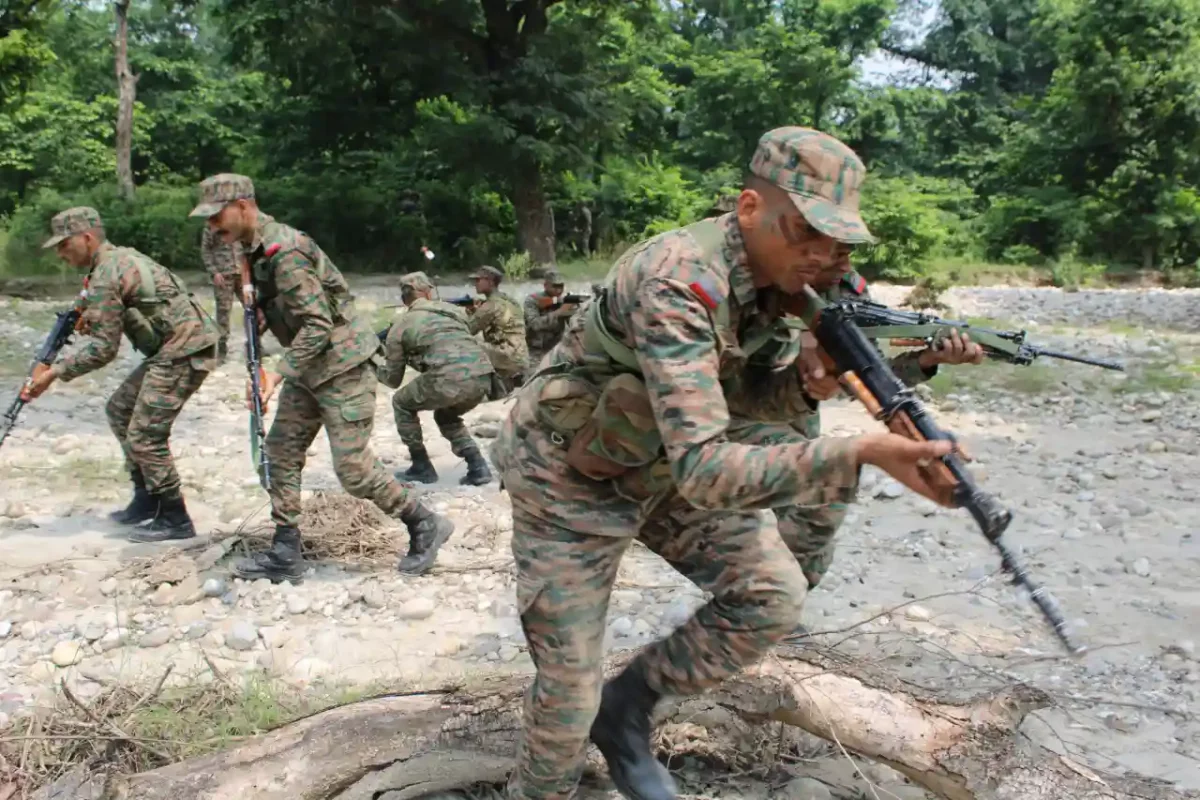
The Indian Military Academy (IMA) put its Officer Cadets through a demanding training challenge during Exercise CHAKRAVYUH, testing their battle drills, battlefield awareness, physical endurance and leadership abilities under sustained pressure.


Designed to push cadets beyond their comfort zones, the exercise brought together several essential elements of military training, requiring the future officers to perform effectively while simultaneously dealing with physical fatigue, demanding tactical situations and the pressures of decision-making.
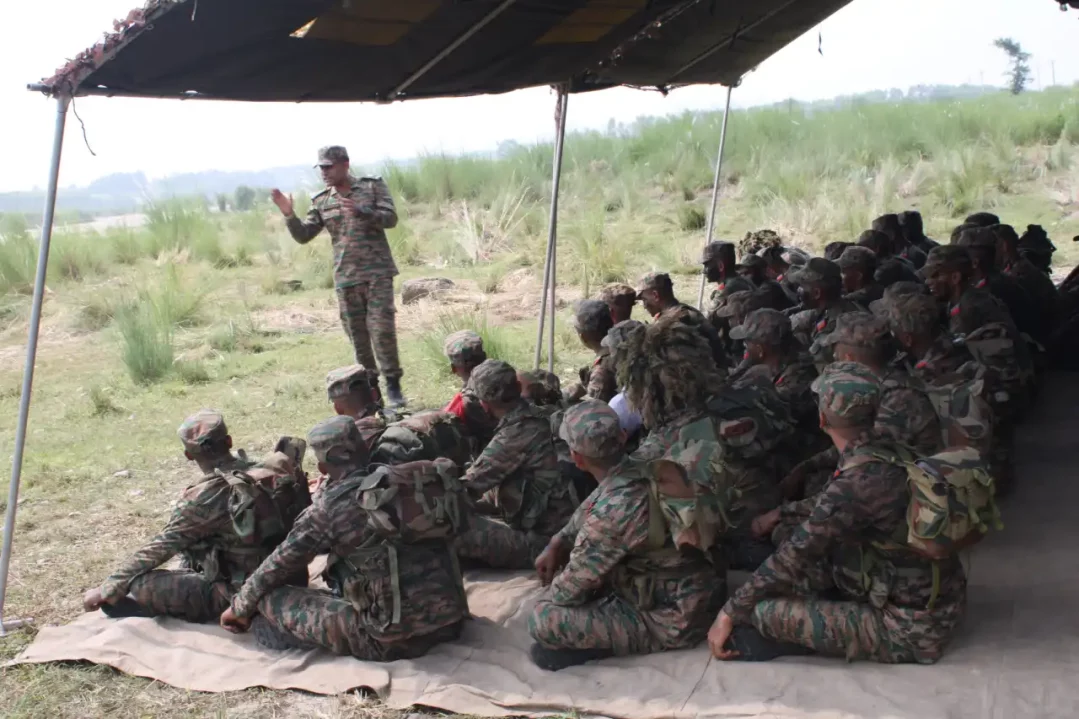
Exercise CHAKRAVYUH placed particular emphasis on the ability of Officer Cadets to maintain focus and determination when confronted with demanding conditions. Battle drills and battlefield awareness formed a key component of the exercise, exposing cadets to situations requiring alertness, discipline and the application of military skills under pressure.
For future officers, such training is intended to build the ability to function effectively in conditions where physical exhaustion and operational pressure can directly affect judgement and performance. The exercise therefore combined physical and tactical challenges with the leadership demands expected of officers in the field.
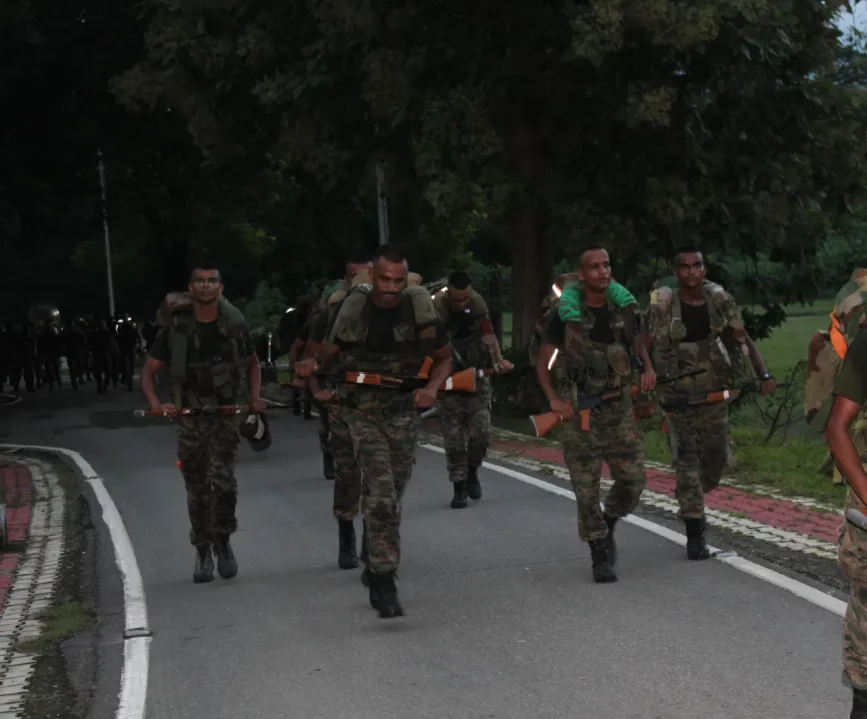
A major test during the exercise was the 20-kilometre speed march. The demanding march required cadets to sustain movement over a long distance despite mounting fatigue, testing both physical conditioning and mental resilience.
The speed march reflected a fundamental reality of military service: physical endurance is closely connected to operational effectiveness. Soldiers and officers may be required to cover considerable distances under demanding conditions while carrying out their assigned tasks, making stamina and determination essential qualities for military leadership.
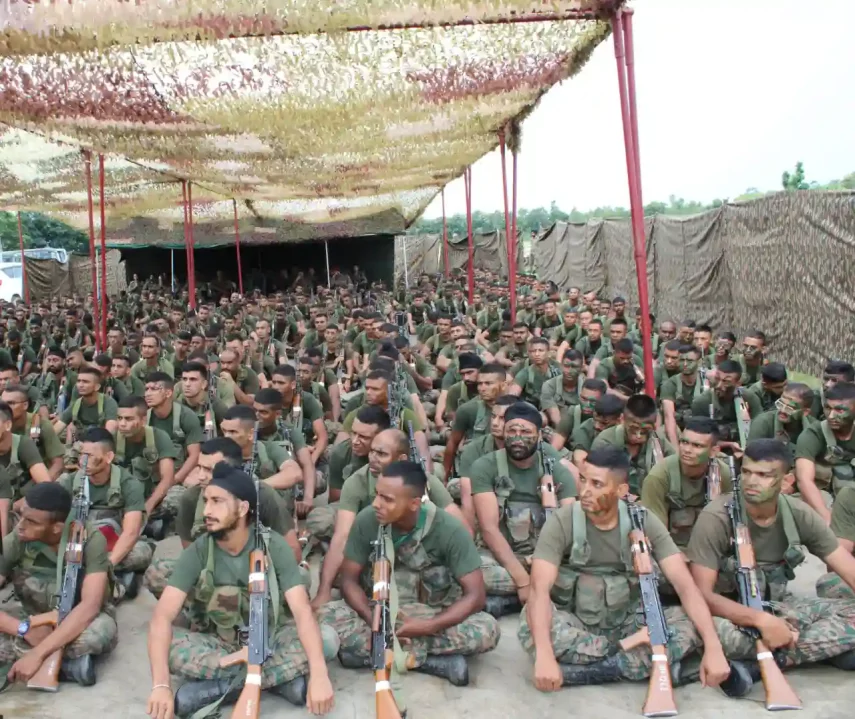
The IMA’s emphasis on such challenges is also aimed at developing the psychological resilience required to continue performing when circumstances become difficult. During the 20-kilometre march, tired legs and difficult miles became another test of the cadets’ ability to maintain discipline and keep moving towards the objective.
Beyond physical fitness, Exercise CHAKRAVYUH was structured around leadership development. Officer Cadets are expected to emerge from training capable of leading troops in challenging environments, making decisions under pressure and maintaining the confidence and motivation of those under their command.
The combination of battle drills, battlefield awareness, endurance and leadership training therefore provides a demanding environment in which cadets can develop multiple dimensions of military competence. The exercise reinforces the principle that effective military leadership requires both physical robustness and mental strength.
The 20-kilometre speed march also demonstrated the importance of perseverance. The simple rule of continuing to move, regardless of fatigue, encapsulated the broader objective of the exercise—developing officers who can remain committed to the mission even when conditions become physically and mentally demanding.
Training activities of this nature form an important part of the transformation of Officer Cadets into military leaders. The challenges encountered during academy training are designed to instil discipline, resilience, teamwork and the ability to perform under pressure, qualities that will remain relevant throughout their careers.
The experience also strengthens camaraderie among cadets, as demanding collective training encourages participants to support one another while maintaining focus on the task. Shared hardship can contribute to the development of trust and cohesion, both of which are essential attributes of military units.
Exercise CHAKRAVYUH thus went beyond a conventional physical training activity. By combining tactical drills, battlefield awareness, endurance and leadership challenges, the exercise sought to prepare Officer Cadets for the realities of military command and the responsibilities that accompany the officer’s uniform.
The demanding 20-kilometre speed march served as a fitting test of that preparation. As the cadets pushed through fatigue and difficult miles, the exercise reinforced a central lesson of military training: limits can be challenged, setbacks can be overcome and determination must remain constant until the mission is complete.
For the future officers of the Indian Army, the experience was another step towards developing the physical toughness, mental resilience and leadership confidence required to lead soldiers in demanding operational environments.
Tired legs, tough miles and sustained pressure ultimately became part of a larger lesson at the Indian Military Academy—stronger challenges are intended to create stronger leaders.