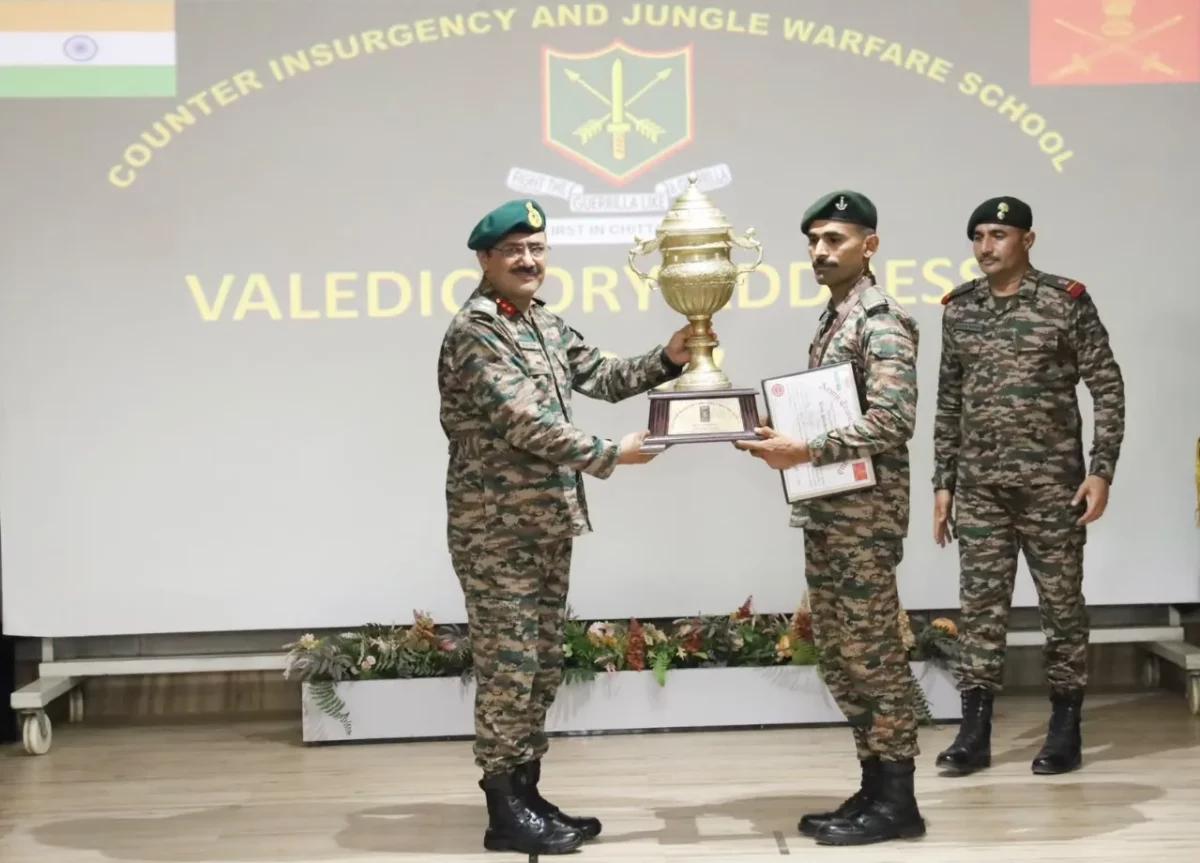
The Low Intensity Conflict Operations course conducted at the Counter Insurgency and Jungle Warfare School (CIJWS), Vairengte, concluded on September 16, 2026, with Havildar Palwe Ajay of the Maratha Light Infantry adjudged the Best Student on the course.





The specialised training programme was attended by personnel from the Indian Army as well as 10 trainees from six friendly foreign countries — Ivory Coast, Bangladesh, Peru, Mauritius, Benin and Guyana.
During the closing ceremony, Maj Gen Kulvir Singh, SM**, Commandant, CIJWS, highlighted the key principles required for success in a counter-insurgency environment. He emphasised the importance of intelligence-based surgical operations, effective use of modern technology and winning the hearts and minds of the local population.
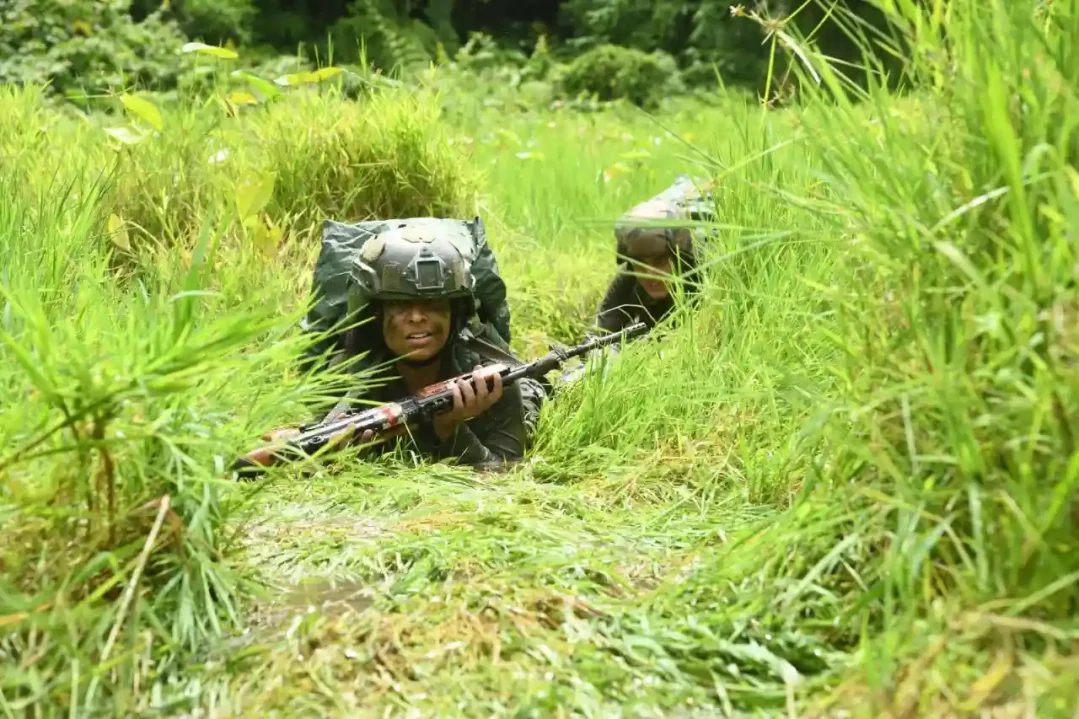
The course focused on the operational challenges associated with low-intensity conflict and counter-insurgency operations, providing trainees with specialised exposure to the skills and approaches required in complex security environments.
The participation of foreign trainees from six countries also added an international dimension to the programme, providing an opportunity for professional interaction and exchange of military experiences.
Havildar Palwe Ajay’s selection as the Best Student marked the culmination of the training, recognising his performance during the specialised course. As a member of the Maratha Light Infantry, his achievement also highlights the importance of specialised training in preparing personnel for demanding operational environments.
In his closing address, Maj Gen Kulvir Singh underlined that counter-insurgency operations require more than conventional military capabilities. Sound intelligence is essential for identifying threats and enabling security forces to conduct precise operations, particularly in environments where armed elements may operate among civilian populations.
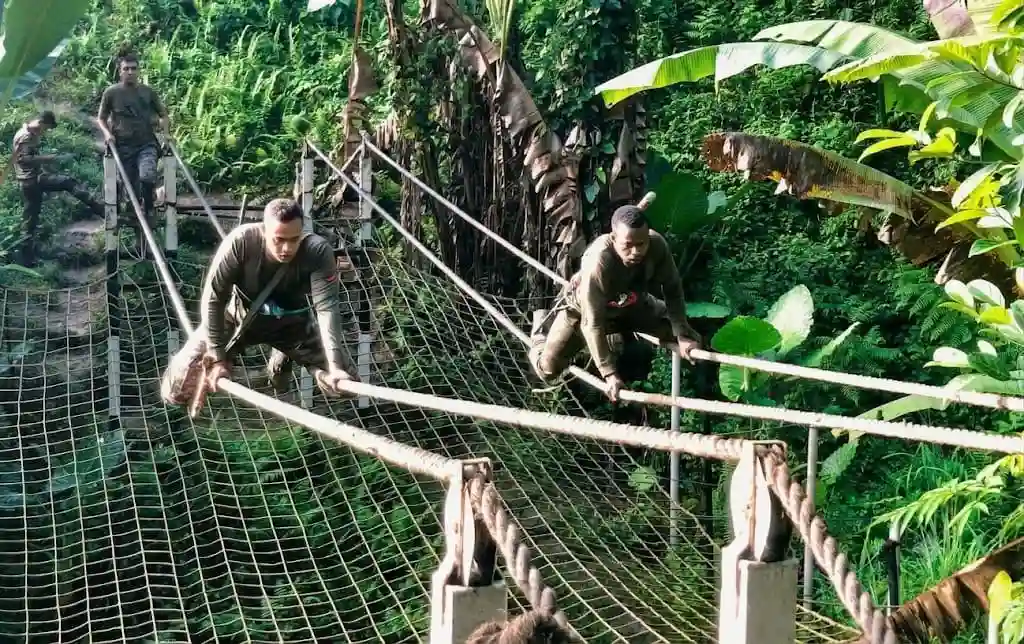
He also stressed the role of modern technology in enhancing operational effectiveness. Technological capabilities can support surveillance, intelligence gathering, communication and situational awareness, helping troops respond to evolving threats with greater precision.
At the same time, the Commandant highlighted engagement with the local population as a critical element of counter-insurgency operations. Building trust and securing the cooperation of local communities can contribute to better information flow and create conditions conducive to long-term stability.
The combination of intelligence-led operations, technology and engagement with local communities reflects the multidimensional nature of counter-insurgency warfare. Personnel operating in such environments must be capable of adapting their approach according to terrain, intelligence inputs and the nature of the threat.
The presence of trainees from Ivory Coast, Bangladesh, Peru, Mauritius, Benin and Guyana demonstrates the role of CIJWS in providing specialised military training to personnel from friendly foreign countries. Such courses also facilitate professional exchanges between participating forces.
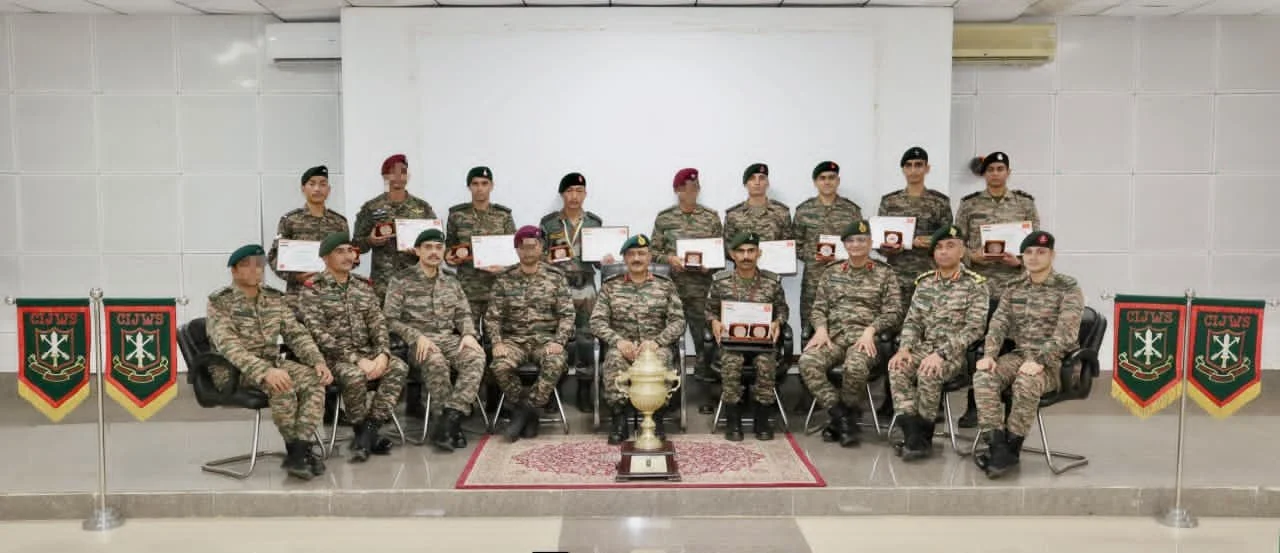
For the Indian Army personnel attending the programme, interaction with foreign trainees provides exposure to different military experiences and approaches to low-intensity conflict operations.
The Counter Insurgency and Jungle Warfare School at Vairengte remains an important specialised training establishment of the Indian Army. Its training environment is designed to familiarise personnel with the operational complexities associated with counter-insurgency and jungle warfare.
The conclusion of the course on September 16 marked the completion of another training cycle focused on preparing personnel for such demanding operational environments.
The recognition of Havildar Palwe Ajay as Best Student added a notable achievement to the course’s culmination. His performance was recognised among participants who underwent the specialised training programme alongside Indian and foreign trainees.
The course also reinforced the importance of continuous professional development as military operations evolve. Counter-insurgency environments require personnel to combine tactical skills with intelligence appreciation, technological awareness and an understanding of the local population.
With the successful completion of the Low Intensity Conflict Operations course, the participating personnel return to their respective organisations with specialised training and exposure to the operational principles highlighted by the CIJWS leadership.
The programme concluded with a focus on intelligence-driven precision, technological integration and engagement with local communities — capabilities that remain central to effective counter-insurgency operations. The achievement of Havildar Palwe Ajay as the Best Student provided a fitting recognition at the conclusion of the specialised course.